


Your Professional Cosmetic&Personal Care Ingredients Manufacturer in China!
Cosmetics & Personal Care raw materials are another new field based on the accumulation and extension of the company's research and development of natural extract technology for many years. The main products are New Anti-aging Ingredients, Active Substances, Moisturizers, Synthetic Oil, Emulgator, Surfactants, etc. There are various types of synthetic oil products, which are widely used in high-end formulas such as beauty makeup, hair and skin care, skin moisturizing and sun protection. The company adheres to the selection of high-quality raw materials to ensure reliable and stable product quality, product safety, non-toxic, harmless, colorless and tasteless in purity, comparable to international first-line brand products.
Our Advantage
Reliable Product Quality
We are dynamic in developing innovative products under the premise of the continuity and diversity of herbs. We have strict quality standards in the production process and quality control process which guarantee the stability of products quality effectively.
Rich Export Experience
With over 10 years of export experience, our high-quality Ingredients and Professional Service have been highly recognized by our customers from over 40 countries, like USA, Switzerland, France, Spain and so on.
Professional Technical Team
For more than 10 years we've been in providing high-quality and innovative products for the food supplements industry. We believe that the natural specialty ingredients and innovative technology are the best basis for us to serve our client's needs.
Complete Qualifications
We have a factory built up with state-of-the-art equipments and facilities, our products passed and obtained the certificates of FDA, ISO9001, HACCP, HALAL, KOSHER etc.
-
![Hydrolyzed Rice Protein]() Hydrolyzed Rice Protein1. Other Name: Rice Peptide; Rice Oligopeptide. 2. Botanical Source: Oryza sativa L.. 3. CAS No.: 156715-40-1. 4. Appearance: Off-White to Light Yellow Powder. 5. Protein Content(as in dry basis):
-
![Hydrolyzed Wheat Protein Liquid]() Hydrolyzed Wheat Protein Liquid1. Other Name: Wheat Protein Hydrolysate Liquid. 2. Appearance: Light yellow powder or liquid. 3. Botanical Source: Triticum aestivum L. 4. Active substance: Light-yellow Clear Liquid. 5. Relative
-
![Hydrolysed Collagen]() Hydrolysed CollagenOther Name: Hydrolysed fish collagen,Fish collagen protein,Fish collagen petide. Appearance: White powder. Molecular weight: ≤2000Da, offer customizationProtein Content: ≥90% CAS.: 9064-67-9.
-
![Pure L-Ergothioneine]() Pure L-Ergothioneine1. Other Name: L-Ergothioneine, Ergothioneine Pure, Natural Ergothioneine, EGT2. CAS NO.: 497-30-33. Appearance: White to off-white crystalline powder4. Specification: 98%, 99% (HPLC)5. Source:
-
![Nobiletin Powder]() Nobiletin Powder1. Other Name: Nobiletin, Hexamethoxyflavone, Nobiletin Pure, Tangeretin Analog2. CAS NO.: 478-01-33. Appearance: White to off-white crystalline powder4. Specification: 98%, 99% (HPLC)5. Source:
-
![Bulk Cycloastragenol]() Bulk Cycloastragenol1. Other Name: Cycloastragenol, Astramembrangenin2. CAS NO.: 78574-94-43. Appearance: White to off-white fine powder4. Specification: 98%, 99% (HPLC)5. Source: Astragalus Membranaceus Root6.
-
![Sodium Hyaluronate Powder]() Sodium Hyaluronate Powder1.Other Name:Hyaluronic acid2.CAS NO.:9004-61-93.Specification: ordinary MW:75-15000004.Certificates: COA, TDS, Allergen, Non-GMO, Halal, Kosher, ISO22000, ISO90015.Appearance:White powder6.Main
-
![Hydroxypinacolone Retinoate HPR]() Hydroxypinacolone Retinoate HPR1. Other Names: HPR Powder,Retinol Palmitate, Vitamin A Palmitate2. Appearance: Light yellow, free-flowing powder3. CAS Number: 893412-73-24. Specifications: 1700000 IU/g,1.0MIU, 1.7MIU, CWS250,
-
![Kojic Acid Powder Bulk]() Kojic Acid Powder Bulk1.CAS NO.:79725-98-72.Other Name:Kojic Acid Dipalmitate3.Appearance: White or off white Powder4.Function: Skin-lightening Agent5.Specification:99%6.Shelf Life:24 Months 8. Package: 25kg/drum,Pack in
-
![Salicylic Acid Powder Bulk]() Salicylic Acid Powder Bulk1.Other name:Salicylic acid,o-hydroxybenzoic acid,2-hydroxy-,benzoic acid2.Appearance:white powder3.Specification:99%4.CAS:69-72-75.Functions:Exfoliation,Acne treatment,Pore unclogging,Keratin
-
![L Mandelic Acid]() L Mandelic Acid1.Product Name: Mandelic Acid Powder2.Other Name: Hydroxyphenylacetic acid3.Appearance: White Powder4.Purity: 99%5.Grade: Cosmetic Grade6.Function: Exfoliation; Exfoliation;Anti-Aging7.Shelf Life: 24
-
![Natural Jojoba Oil]() Natural Jojoba Oil1.Other Name: Simmondsia Chinensis Seed Oil,Jojoba Oil,2.Appearance: Light yellow transparent liquid3.Botanical Source:Simmondsia chinensis4.Relative Density:0.9165-0.93805.Content:Volatile oil 99%6.


Our New Anti-aging Ingredients, Active Substances, Moisturizers
As one of the Cosmetic Raw Material Suppliers in China, One of our main focus is Functional Raw Material, which are raw ingredients that can give special performance and efficacy of cosmetics, raw materials with efficacy on skin and hair, such as anti-aging, repair, moisturising, sunscreen and so on. Including active ingredients, antioxidants, sunscreen agents, moisturising agents, antibacterial agents and so on.
From the global market scope, functional skincare products are mainly divided into two categories, one is for problem skin care, emphasising product safety and professional dermatological grade skincare products; the other is for the general skin of the strong efficacy of the skincare products, such products usually contain a high concentration of active ingredients, so that the skin can produce a higher intensity of action.
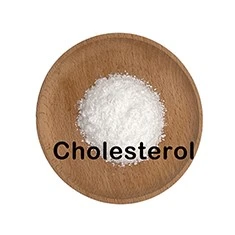
Cholesterol
Cholesterol Cosmetic Ingredient is used in cosmetics and skin care products as an emollient, emulsifier and viscosity control, with a risk factor of 1 (1 means very safe, no risk). Cholesterol is a type of liposome. The addition of liposomes to skin care products, such as creams and lotions, provides superior moisturising properties.
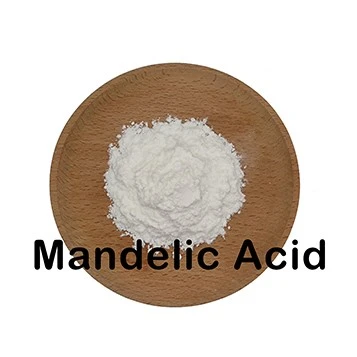
Mandelic Acid
DL Mandelic Acid has a strong antibacterial effect. Compared with common glycolic acid and lactic acid, mandelic acid may have a slower penetration rate, which means that the irritation is less than that of glycolic acid. Its fat solubility is increased, and the ability of the stratum corneum to penetrate the skin is improved. Like glycolic acid and lactic acid, mandelic acid also has a certain whitening effect.
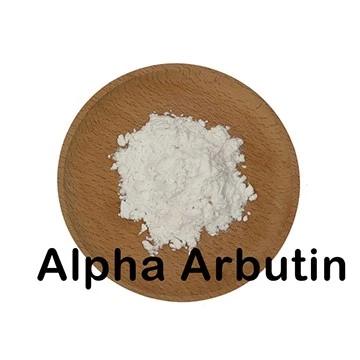
Alpha Arbutin
Pure Alpha Arbutin Powder, also known as arbutin, ericalin or myricetin, originated from natural green plants, is a skin whitening active substance integrating the concepts of "green", "safe" and "efficient". It can block the formation of melanin, accelerate the decomposition and excretion of melanin, so as to reduce skin pigment deposition, remove color spots and freckles.
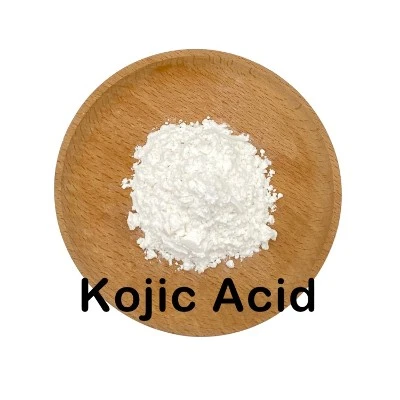
Kojic Acid
Kojic acid is a small molecule component which can be directly absorbed through the skin. It has a good whitening effect and can lighten spots. It's often used as a skin whitening agent and was widely used in whitening and spot-bleaching products. It achieves whitening and spot reduction by inactivating tyrosinase and blocking melanin production.
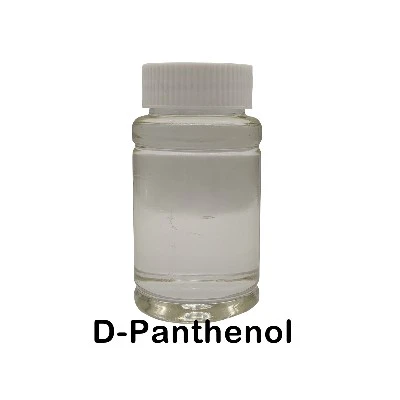
D-Panthenol
Dexpanthenol (D-Panthenol) is the congener of D-Pantothenic Acid, the precursor of Coenzyme A. It can be used as a deeply penetrating moisturiser, to stimulate the growth of epithelial cells, to promote wound healing and as an anti-inflammatory. Prevents split ends and damage, increases hair density and improves shine. Improves the hydration of nails and makes them more flexible.
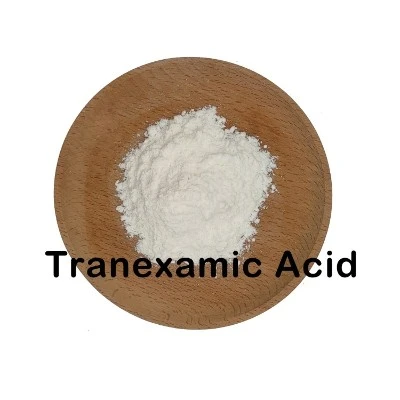
Tranexamic Acid
Tranexamic acid is a protease inhibitor. When the skin is exposed to UV light, tranexamic acid not only inhibits tyrosinase enzymes, but also inhibits the release of the prostaglandin PGE2, which prevents melanin from accumulating. Protease activated receptor 2 (i.e. PAR-2) in keratinocytes promotes the spread of melanin to surrounding cells, leading to pigmentation and darkening of the skin
Our Synthetic Oil
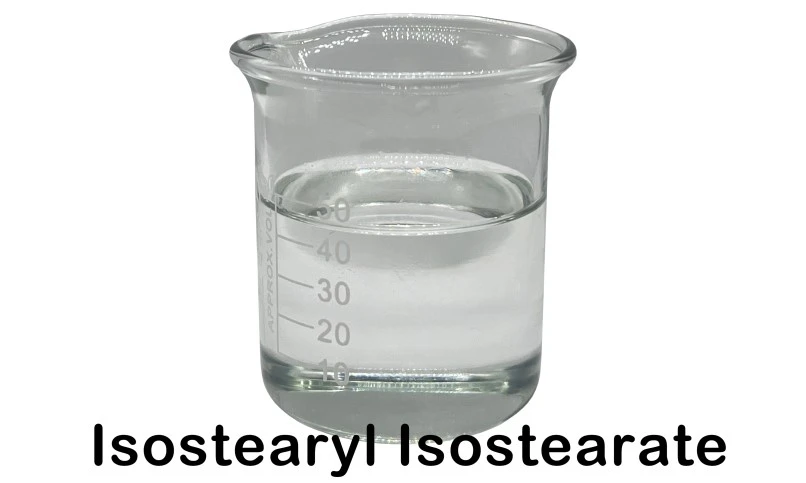
Isostearyl Isostearate
Isostearyl Isostearate is a versatile ester used in cosmetics primarily for its excellent emollient properties. It enhances the texture and feel of products by providing a smooth, silky application and helps to soften and soothe the skin by forming a protective barrier that retains moisture. This ingredient is commonly found in moisturizers, lotions, creams, and various skincare formulations, contributing to improved skin hydration and overall product performance. Additionally, its good spreadability and non-greasy finish make it a preferred choice in both skincare and makeup products.
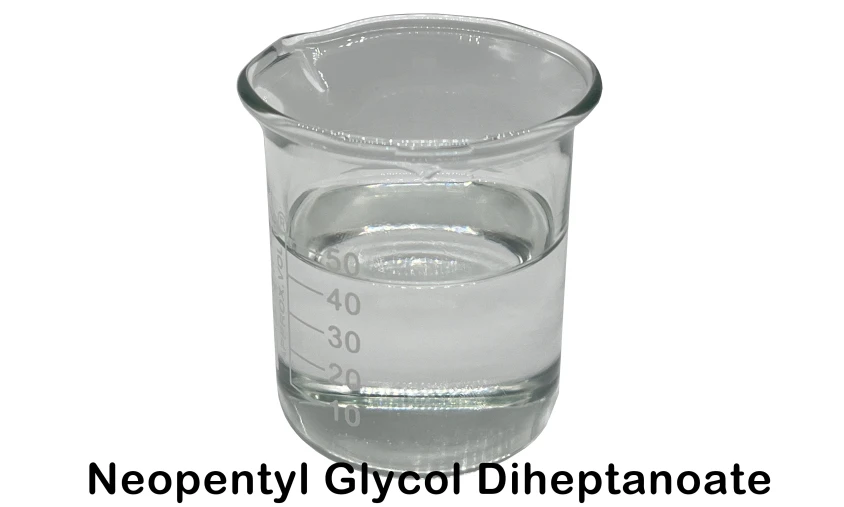
Neopentyl Glycol Diheptanoate
Neopentyl Glycol Diheptanoate is a versatile ester used in cosmetics for its excellent emollient properties, providing a smooth, silky feel and enhancing product spreadability. It acts as a solvent and carrier, aiding in the uniform distribution of active ingredients and fragrances, and serves as a viscosity controlling agent, ensuring optimal consistency in formulations. Additionally, it functions as a film-forming agent, creating a protective layer that enhances the longevity and efficacy of products like sunscreens and hair care treatments. This ingredient is prized for its ability to impart a light, non-greasy finish, making it ideal for a wide range of skincare, hair care, and makeup applications.
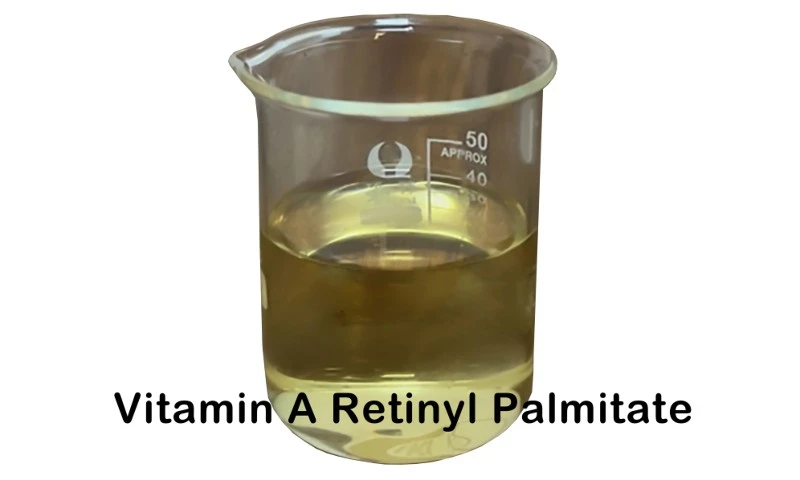
Vitamin A Retinyl Palmitate
Retinyl Palmitate is a derivative of vitamin A (retinol) combined with palmitic acid, widely used in the cosmetic industry for its anti-aging and skin-renewing properties. It functions as an antioxidant and skin-conditioning agent, promoting cell turnover and collagen production. This ingredient helps to reduce the appearance of fine lines, wrinkles, and age spots, improving skin texture and tone. Retinyl Palmitate is also more stable and less irritating than pure retinol, making it suitable for sensitive skin types and inclusion in a variety of skincare products, such as moisturizers, serums, and sunscreens. Its ability to enhance skin radiance and promote a youthful appearance makes it a popular choice in anti-aging formulations.
What are the common used Ingredients in hair care products
Hydrolyzed
Keratin
Hydrolysed Keratin has a protective effect on hair and bristles, acting as an effective protector for damaged hair and repairing split ends, reducing and preventing split ends. Hair contains a large amount of keratin, about 65%-95% of the hair, many natural active proteins have a high affinity for the hair, easy for the hair to absorb, with nutrition, film-forming effect, is an excellent hair conditioning agent. Protein in the conditioning aspect of the function of its own structural composition and molecular quality has a close link, Chemicalbook key in it and the hair in the formation of keratin hydrogen bond, water-soluble proteins, especially for damaged hair has a certain role in the repair. This is due to the damage of damaged hair hair microdermabrasion, making the proteins bare, the hydrophilicity of the hair increases, easy to water-soluble proteins combined to form a protein film, so that the hair is easy to comb and has a gloss.

Hydrolyzed Wheat Protein (Liquid)
Hydrolyzed wheat protein can be broken down into smaller molecules for easy absorption and utilization by the body. it has moisturizing and anti-aging properties that nourish the skin and maintain its elasticity.Wheat hydrolyzed protein is widely used in cosmetics and personal care products, such as shampoo, conditioner, face cream, skin cream, etc.

The Importance of Surfactants in Personal&Family Care Products
Surfactant, also known as surfactant, is a compound that significantly reduces the surface tension or interfacial tension between two liquids, between liquids and gases, and between liquids and solids. The first surfactants used by human beings were soaps and detergents from living creatures. About 5000 years ago the ancient Egyptians used sheep oil carbon ash as detergent use.
Synthetic detergents are one of the largest markets for surfactant consumption, with products including laundry detergents, liquid detergents, dishwashing detergents and a wide range of household cleaning products and personal protection products such as shampoo shampoos, hair conditioners, hair milks, hair gel grease, emollient lotions, toners and facial cleansers.
Types of Surfactants
| Anionic surfactants | Stearic acid, oleic acid, lauric acid, soap-based surfactants with sulphate, sulphonate or carboxylate groups | ||
| Cationic surfactants | Mainly divided into two categories: ammonium salt type and quaternary ammonium salt type, which are mainly used for sterilisation and disinfection. Behentrimonium Chloride, Behentrimonium Methosulfate, Sapindus Mukorossi Extract | ||
| Amphoteric surfactants | Lecithin, Cocamidopropyl Betaine, | ||
| Nonionic surfactants | Tweens, oligosaccharide | ||
| Special surfactants | Bromelain, SOD(Superoxide Dismutase) | ||
Surfactants' Applications in
Cosmetics
Surfactants are widely used in all kinds of cosmetics as emulsifiers, penetrating agents, detergents, softeners, wetting agents, bactericides, dispersants, solubilizers, antistatic agents, hair dyes and so on. Non-ionic surfactants are most commonly used in cosmetics because they are non-irritating and easily compatible with other components, generally some fatty acid esters and polyethers.
Food Industry
1.Food emulsifiers and thickeners. The most important role of surfactants in the food industry is as emulsifiers and thickeners. Phospholipids are the most commonly used emulsifiers and stabilisers.
2. Food preservative
3. Food dispersant, foaming agent
Detergents
Surfactants, with their efficient cleaning and disinfecting functions, have long been the most important component of cleaning products. Surfactant is the main component of detergent, which has a series of physicochemical effects (e.g. wetting, penetrating, emulsifying, solubilising, dispersing, foaming, etc.) with dirt and between dirt and solid surfaces, and obtains the washing effect with the help of mechanical agitation. The most widely used are anionic and nonionic surfactants, cationic and amphoteric surfactants are only used in the production of certain special types and functions of detergents. The main varieties are LAS (Liaminated Alkyl Benzene Sulfonate), AES (Fatty Alcohol Ethoxylate Sulfate), MES (α-Sulfonated Fatty Acid Fatty Acid Salt), AOS (α-Allyl Sulfonate), Alkyl Ethoxylates, Alkyl Phenol Ethoxylates, Fatty Acyl Diethanol Amine, Amino Acid, and Betaine, and so on.
Pharmaceuticals
Surfactants have the role of wetting, emulsification, solubilisation, etc., and thus are widely used as excipients in pharmaceutical preparations. In drug synthesis, surfactants can be used as phase-transfer catalysts, which can change the degree of solubilisation of ions and thus increase the reactivity of ions, so that the reaction will be carried out in non-homogeneous phase system, and the efficiency of the reaction will be greatly improved.
As surfactants can interact strongly with bacterial biofilm proteins, denaturing or disabling them, they are widely used as bactericides and disinfectants.
Our Certificates

Our Factory

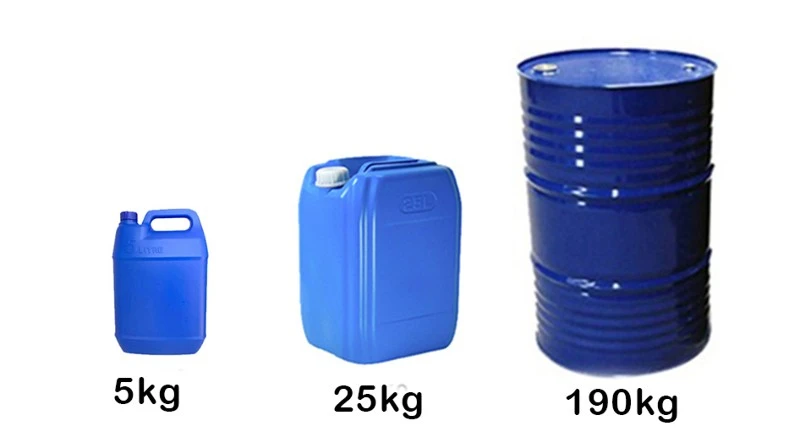
Our Package-Liquid
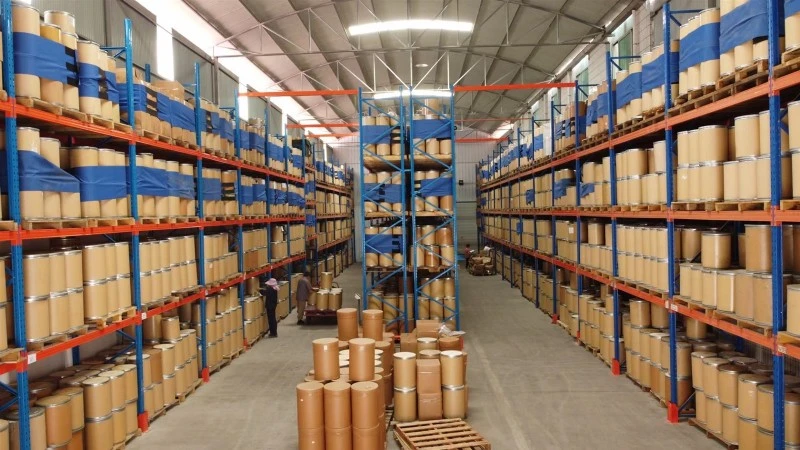
Our Package-Powder
Ultimate FAQ Guide to Cosmetic Ingredients
Q: What are the basic ingredients in cosmetics?
Q: What are cosmetics mostly made of?
Q: What is a natural cosmetic ingredient?
Q: Do cosmetics have to list ingredients?
Q: What does 100% natural mean in cosmetics?
Q: Which cosmetic ingredient helps to prevent moisture loss?
Q: Why Choose Natural Ingredients for Cosmetics?
Q: What do cosmetic ingredients do?
Q: What are the functional categories for cosmetic ingredients?
Q: Why is it important to know the ingredients of cosmetics?
Q: What is the purpose of using cosmetic products?
Q: What is ingredient list in cosmetics?
Q: What is the meaning of cosmetic ingredients?
Q: How do you read cosmetic ingredients?
Q: How do you know if makeup ingredients are safe?
Q: What are the functions of ingredients in cosmetics?
Q: What is hydrolyzed wheat protein liquid?
Q: What is Isostearyl Isostearate?
Q: What is D-panthenol?
Q: What is cholesterol cosmetic ingredient?
Q: What is the original source of salicylic acid?
Xi'an Le-Nutra Ingredients Inc is well-known as one of the leading cosmetic&personal care ingredients manufacturers and suppliers in China, specialized in providing the best customized service. Please feel free to buy or wholesale bulk high quality cosmetic&personal care ingredients at competitive price from our factory.
Monobenzone Powder, Isononyl Isononanoate For Skin, Pro-xylanePopular Products







