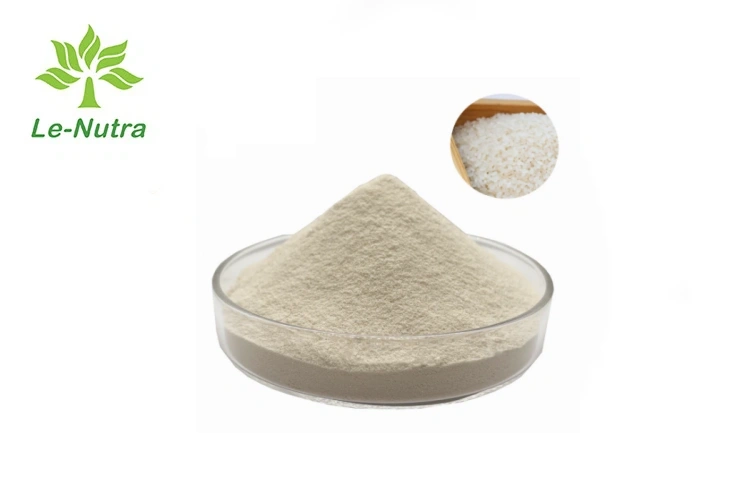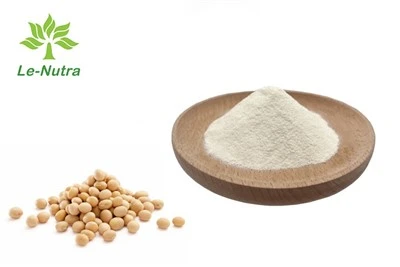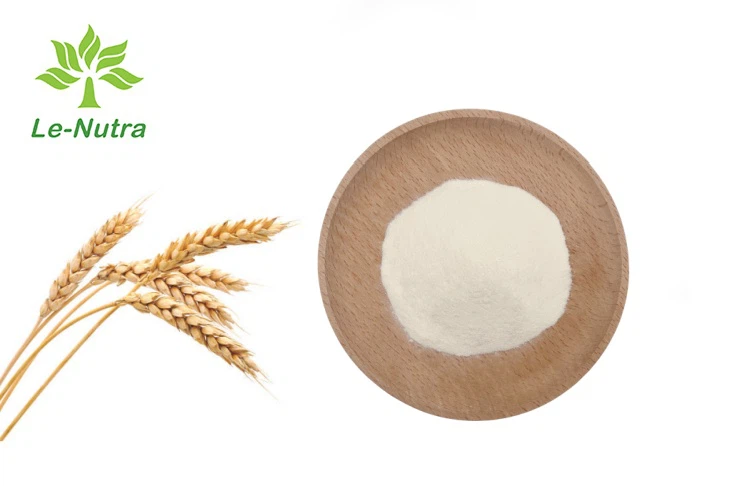

Antioxidants refer to food additives that can prevent or delay food oxidation, improve food stability, and extend shelf life. The correct use of antioxidants can not only extend the storage period and shelf life of food, bring good economic benefits to producers and consumers, but also bring better food safety to consumers.
Antioxidants are like the body's defenders! They help protect our cells from damage caused by harmful molecules called free radicals. Free radicals can be formed as a result of things like exposure to pollution, stress, and even normal bodily processes.
Antioxidants work by neutralizing these free radicals, preventing them from causing harm. They do this by giving up an electron to the free radical, which stops it from being reactive and causing damage. This process is kind of like a superhero saving the day!
-
![Bilberry Extract powder]() Bilberry Extract powder1. Other Name: Lingonberry Extract. 2. Botanical Source: Vaccinium myrtillus L./Vaccininm ulingosum L.. 3. Extraction solvent: 75% edible ethanol & deionized water. 4. Active ingredient:
-
![Haematococcus Pluvialis Powder]() Haematococcus Pluvialis Powder1. Product Name: Synthetic Astaxanthin Powder. 2. Appearance: Dark red powder. 3. Specification: Astaxanthin 1%-10%. 4. Certificates: COA, TDS, Allergen, Non-GMO, Halal, ISO9001, ISO22000. 5.
-
![Haematococcus Pluvialis Extract]() Haematococcus Pluvialis Extract1.Product Name: Pure Astaxanthin Powder. 2.Alias: Haematococcus Pluvialis Powder; Astaxanthin Powder3.Appearance: Dark red powder. 4.Active Ingredients: Astaxanthin. 5.Certificates: COA, TDS,
-
![Marigold Flower Extract]() Marigold Flower Extract1. Botanical Source: Tagetes erecta L. 2. Appearance: Orange Yellow Powder. 3. Active Ingredients: Lutein; Xanthophylls. 4. Specification: 10%-98%. 5. Certificates: COA, TDS, Allergen, Non-GMO,
-
![Borago Officinalis Powder]() Borago Officinalis Powder1. CAS: 506-26-3. 2. Botanical Source: Borago officinalis Linn.. 3. Used Parts: Seed. 4. Test Method: HPLC. 5. Appearance: White Powder. 6. Certificates: COA, TDS, Allergen, Non-GMO, Halal, ISO9001,
-
![Pure Alpha Arbutin Powder]() Pure Alpha Arbutin Powder1. Product name:α-Arbutin, Alpha Arbutin. 2. Appearance: White powder. 3. Purity: 98%. 4. CAS: 84380-01-8. 5. Mainly used in: Cosmetic products. 6. Package: Vacuum Aluminum Foil Bag; Fiber Drum for
-
![Pterostilbene bulk Powder]() Pterostilbene bulk Powder1. CAS NO.: 537-42-8. 2. Appearance: White or whitish powder crystalline. 3. Specification: 98%. 4. Test Method: HPLC. 5. Certificates: COA, TDS, Allergen, Non-GMO, Halal, ISO9001, ISO22000. 6.
-
![Sesame Powder]() Sesame Powder1.Product Name: Sesame Powder. 2.Latin name: Sesame indicum Linn. 3.Other Names: Sesamin, Sesamin Extract. 4.Active ingredients: Sesame. 5.Part Used: Seed. 6.Appearance: White fine Powder. 7.CAS.:
-
![Grape Seed Extract Proanthocyanidin 95%]() Grape Seed Extract Proanthocyanidin 95%1.Other name: Grape Seed Powder. 2.Botanical Source:Vitis vinifera L. . 3.Plant Part Used:Seed. 4.CAS No.:84929-27-1. 5.Proanthocyanidins(UV) Assay:95%. 6.Appearance: Brown-red fine powder.
-
![Rutin Extract Powder]() Rutin Extract Powder1. CAS.: 153-18-4. 2. Latin Name: Rutinum. 3. Appearance: Yellow or yellow green Powder. 4. Active Ingredients: Lutein. 5. Test Method: UV. 6. Certificates: COA, TDS, Allergen, Non-GMO, Halal,
-
![Curcumin Powder 95%]() Curcumin Powder 95%1.Other name:Turmeric Extract Curcumin. 2.Botanical Source:Curcumae Longae Rhizoma . 3.Plant Part Used:Root. 4.Curcuminoids Assay:≥95%. 5.Appearance:Yellow-orange powder. 6.Benefits:Antioxidant,
-
![Natural Lycopene]() Natural Lycopene1. Latin Name: Lycopersicon esculentum Mill.. 2. Appearance: Red fine Powder. 3. Active Ingredients: Lycopene. 4. CAS.: 502-65-8. 5. Certificates: COA, TDS, Allergen, Non-GMO, Halal, Kosher,


Lorem, ipsum dolor sit amet consectetur adipisicing elit. Ad, voluptas libero dolores minima possimus explicabo ipsam doloribus expedita, nulla laudantium odit tempora dolor ratione voluptatum, rerum impedit eius culpa? Iste?.
Benefits of Antioxidant
Anti-aging
Antioxidants help protect our cells from damage caused by free radicals, which contribute to the aging process. By neutralizing these harmful molecules, antioxidants can help delay the appearance of wrinkles, age spots, and other signs of aging.
Heart health
Oxidative stress has been linked to heart disease. Antioxidants can help reduce inflammation, lower blood pressure, and improve cholesterol levels, all of which contribute to a healthier heart.
Cancer prevention
Some antioxidants have been shown to have cancer-fighting properties. They may help protect cells from DNA damage, reduce the risk of tumor formation, and enhance the effectiveness of chemotherapy treatments.
Immune support
Antioxidants can help strengthen our immune system by reducing oxidative stress and inflammation. This can help us fight off infections and diseases more effectively.
Brain health
Antioxidants may help protect our brain from age-related decline and reduce the risk of neurodegenerative diseases like Alzheimer's and Parkinson's.
Eye health
Antioxidants can help prevent age-related macular degeneration and cataracts, which are common vision problems.
Anti-inflammatory
Chronic inflammation is linked to various health problems, including arthritis, asthma, and autoimmune diseases. Antioxidants can help reduce inflammation and related symptoms.
General health
Antioxidants contribute to overall good health by supporting cell repair and protecting against damage caused by toxins and environmental factors.
Why Choose Us
Expertise and Experience
Our team of experts have years of experience in delivering high quality services to our clients. We hire only the best professionals who have a proven track record of delivering exceptional results.
Quality Assurance
We have a rigorous quality assurance process in place to ensure that all our services meet the highest standards of quality. Our team of quality analysts checks each project thoroughly before it is delivered to the client.
State-of-the-art Technology
We use the latest technology and tools to deliver high quality services. Our team is well-versed in the latest trends and advancements in technology and uses them to provide the best results.
One-stop service
We promise to provide you with the fastest reply, the best price, the best quality, and the most complete after-sales service.
Competitive Pricing
We offer competitive pricing for our services without compromising on quality. Our prices are transparent, and we do not believe in hidden charges or fees.
Customer Satisfaction
We are committed to delivering high quality services that exceed our clients' expectations. We strive to ensure that our clients are satisfied with our services and work closely with them to ensure their needs are met.
What are the main types of antioxidants
Vitamin C (ascorbic acid): Vitamin C is a powerful antioxidant that is abundant in fruits and vegetables, particularly citrus fruits, strawberries, kiwi, and peppers. It helps protect cells from damage caused by free radicals, boosts the immune system, and supports the body's natural defenses against infections and diseases. Additionally, vitamin C is involved in collagen synthesis, which is important for maintaining healthy skin, joints, and connective tissues.
Vitamin E (tocopherol): Vitamin E is another important antioxidant found in nuts, seeds, vegetable oils, and green leafy vegetables. It protects cell membranes from oxidative damage, helps reduce inflammation, and may have potential benefits for heart health and cancer prevention. Vitamin E also acts as a natural antioxidant in the body, protecting lipids from oxidation.
Beta-carotene: Beta-carotene is a pigment that gives fruits and vegetables their orange color, such as carrots, sweet potatoes, and pumpkins. Once ingested, beta-carotene is converted into vitamin A in the body. It plays a role in immune function, vision health, and cell growth and division. Beta-carotene also has antioxidant properties and may reduce the risk of certain cancers.
Flavonoids: Flavonoids are a group of antioxidants found in various plant foods, including fruits, vegetables, tea, chocolate, and wine. Examples of flavonoids include quercetin, catechin, and anthocyanins. These antioxidants have anti-inflammatory and antioxidant effects and may have potential benefits for heart health, cancer prevention, and cognitive function.
Selenium: Selenium is a trace mineral that acts as an antioxidant and plays a role in thyroid function, immune system support, and cancer prevention. Good sources of selenium include Brazil nuts, seafood, and whole grains. Selenium helps protect cells from oxidative damage and may reduce the risk of certain chronic diseases.
Coenzyme Q10 (CoQ10): Coenzyme Q10 is an antioxidant that is produced naturally in the body but can also be obtained through the diet or supplements. It is found in meat, fish, nuts, and oils. Coenzyme Q10 helps protect cells from damage caused by free radicals, particularly in the mitochondria, which are the powerhouses of the cell. It may have potential benefits for heart health, energy production, and anti-aging.
Polyphenols: Polyphenols are a large group of antioxidants found in plant-based foods, including fruits, vegetables, tea, coffee, and wine. Examples of polyphenols include resveratrol, EGCG (epigallocatechin gallate), and curcumin. These antioxidants have anti-inflammatory, antioxidant, and anti-cancer properties and may offer potential benefits for a wide range of health conditions.
Manganese: Manganese is a mineral that acts as an antioxidant and is involved in energy metabolism and enzyme activation. It is found in nuts, seeds, whole grains, and leafy vegetables. Manganese helps protect cells from oxidative damage and may have potential benefits for bone health and cognitive function.
Zinc: Zinc is a mineral that acts as an antioxidant and is involved in numerous biological processes in the body. It is found in oysters, red meat, poultry, and whole grains. Zinc helps protect cells from oxidative damage and may have potential benefits for immune function, wound healing, and DNA repair.
Sulfur compounds: Sulfur compounds, such as glutathione and cysteine, are antioxidants that help protect cells from oxidative damage and support detoxification processes in the body. They are found in foods such as garlic, onions, broccoli, and cabbage.
Where can we find antioxidants in our diet
You can find antioxidants in a variety of foods in your diet. Here's a detailed look at some common sources of antioxidants:
Fruits:Fruits are a great source of antioxidants. Berries, such as blueberries, strawberries, raspberries, and blackberries, are particularly rich in antioxidants. Other fruits like oranges, pomegranates, grapes, and mangoes also contain antioxidants.
Vegetables:Many vegetables are packed with antioxidants. Leafy greens like spinach, kale, and Swiss chard are excellent choices. Other vegetables like tomatoes, carrots, bell peppers, and broccoli are also good sources of antioxidants.
Nuts and seeds:Nuts like almonds, walnuts, hazelnuts, and pecans, as well as seeds like sunflower seeds and flaxseeds, are rich in antioxidants. They also provide healthy fats and other nutrients.
Whole grains:Whole grains like oats, quinoa, brown rice, and whole wheat bread contain antioxidants as well as fiber and other essential nutrients.
Beans and legumes:Beans, lentils, chickpeas, and other legumes are not only a good source of protein but also contain antioxidants.
Spices and herbs:Spices like turmeric, cinnamon, ginger, and oregano contain antioxidants and have additional health benefits.
Tea:Both green tea and black tea are known to have antioxidant properties. They also offer other potential health benefits.
Dark chocolate:Dark chocolate, with a higher cocoa content, contains antioxidants. Choose dark chocolate with a minimum of 70% cocoa for the best antioxidant content.
Oils:Some oils, such as extra-virgin olive oil and avocado oil, contain antioxidants. These healthy fats can be used in cooking and salad dressings.
Foods with brightly colored pigments:Foods with bright colors often indicate the presence of antioxidants. This includes purple cabbage, red grapes, and red or yellow bell peppers.
How do antioxidants benefit our health
Antioxidants are essential for our health and offer several potential benefits. Here's a detailed look at some of the ways antioxidants can positively impact our well-being:


Oxidative stress reduction: Free radicals can cause oxidative stress, which is associated with cellular damage and inflammation. Antioxidants help neutralize free radicals, reducing the damage they cause and protecting our cells from oxidative damage.
Heart health: Antioxidants may help reduce the risk of heart disease by protecting the heart and blood vessels from oxidative stress. They can also improve blood flow and lower inflammation, which are important for cardiovascular health.
Cancer prevention: Some antioxidants have been shown to have anticancer properties. They can help prevent DNA damage, reduce the risk of cancer cell growth, and support the body's natural defenses against cancer.
Immune system support: A strong immune system is crucial for overall health. Antioxidants can enhance the immune system by reducing oxidative stress and inflammation, helping the body fight off infections and diseases more effectively.
Aging prevention: Oxidative stress is believed to contribute to the aging process. By reducing oxidative damage, antioxidants may help slow down the signs of aging, such as wrinkles, and age-related diseases.
Brain health: Antioxidants can protect the brain from oxidative stress, which is implicated in age-related cognitive decline and neurodegenerative diseases. They may also improve memory, concentration, and overall brain function.
Anti-inflammatory effects: Chronic inflammation is linked to various health problems. Antioxidants can have anti-inflammatory properties, helping to reduce inflammation in the body and potentially lowering the risk of associated diseases.
Mental health and stress management: Some antioxidants have been linked to improved mental health and a better ability to cope with stress. They may help regulate neurotransmitters and reduce the impact of oxidative stress on the brain.
Skin health: Antioxidants can promote healthy skin by protecting it from damage caused by free radicals. This can lead to a more youthful-looking complexion and may reduce the appearance of fine lines and wrinkles.
General cellular health and repair: Antioxidants play a role in maintaining the overall health and functionality of cells. They can aid in cellular metabolism, energy production, and DNA repair.
Can antioxidants prevent aging and reduce the appearance of wrinkles
Antioxidants are substances that protect cells from damage caused by free radicals. Free radicals are unstable molecules that can cause oxidative stress, which is believed to contribute to aging and the development of various diseases. While antioxidants play an important role in overall health, their impact on aging and wrinkles is more complex and not fully understood.Antioxidants can protect the skin from damage caused by free radicals, which can lead to premature aging and the formation of wrinkles. By neutralizing free radicals, antioxidants can help reduce inflammation and cell damage, which can contribute to maintaining skin health and a youthful appearance.Antioxidants can also support the body's natural defenses against aging by promoting DNA repair and protecting against oxidative stress. This can potentially slow down the aging process and reduce the appearance of wrinkles.However, it's important to note that while antioxidants can be beneficial for skin health, they are not a guaranteed solution for preventing aging and reducing the appearance of wrinkles. Aging is a complex process influenced by multiple factors, including genetics, lifestyle, and environmental factors.In addition to incorporating antioxidant-rich foods into your diet, other factors that can contribute to skin health and a youthful appearance include:
Sun protection: Sun exposure is a major contributor to skin aging and wrinkles. wearing sunscreen, wearing protective clothing, and avoiding excessive sun exposure can help protect the skin from damage.
Healthy lifestyle: Leading a healthy lifestyle, including regular exercise, a balanced diet, adequate sleep, and managing stress, can contribute to overall skin health and a youthful appearance.
Moisturization: Keeping the skin hydrated by using a moisturizer and drinking plenty of water can help reduce the appearance of wrinkles and maintain skin elasticity.
Skin care products: Using products formulated with ingredients that can help reduce the appearance of wrinkles, such as retinoids, alpha-hydroxy acids, and collagen boosters, can be beneficial.
Avoid smoking: Smoking can accelerate aging and contribute to the development of wrinkles. Quitting smoking can have a positive impact on skin health.
Adequate sleep: Lack of sleep can contribute to skin aging and the appearance of wrinkles. aim for 7-9 hours of quality sleep per night to support overall skin health.
Avoid excessive alcohol consumption: Excessive alcohol consumption can lead to dehydration and contribute to skin aging. Moderate alcohol consumption is generally recommended for overall health.
Protect your skin from environmental aggressors: Exposure to pollution, chemicals, and other environmental aggressors can damage the skin and contribute to aging. Taking steps to protect your skin, such as wearing protective clothing and using products with antioxidants, can help reduce the impact of these factors.
Regular skin care: Consistent skin care routine, including cleansing, moisturizing, and exfoliation, can help maintain skin health and reduce the appearance of wrinkles.
Consider cosmetic procedures: In some cases, cosmetic procedures such as Botox, fillers, and laser treatments can be effective in reducing the appearance of wrinkles. Consult a board-certified dermatologist or plastic surgeon for personalized advice.
Are there different antioxidant properties in different fruits and vegetables
Yes, different fruits and vegetables contain varying amounts and types of antioxidants, which can result in different antioxidant properties. Here are some examples of the antioxidant properties found in different fruits and vegetables:
Berries: Berries, such as blueberries, strawberries, raspberries, and blackberries, are known to be rich in antioxidants. They often contain high levels of flavonoids, anthocyanins, and other polyphenols, which give them their antioxidant power. These antioxidants are believed to have anti-inflammatory and antioxidant effects, potentially contributing to overall health and reducing the risk of chronic diseases.
Dark leafy greens: Vegetables like kale, spinach, and Swiss chard are packed with antioxidants. They are particularly high in vitamins C and E, as well as carotenoids like lutein and zeaxanthin. These antioxidants can help protect cells from damage and may have benefits for eye health.
Citrus fruits: Oranges, lemons, grapefruits, and limes are excellent sources of vitamin C, a powerful antioxidant. Vitamin C plays a role in immune function, collagen synthesis, and antioxidant protection.
Cruciferous vegetables: Vegetables such as broccoli, cauliflower, Brussels sprouts, and kale are known for their antioxidant content. They contain compounds like sulforaphane and indoles, which have potential anticancer properties and may also support the body's detoxification processes.
Tomatoes: Tomatoes are rich in antioxidants, including lycopene. Lycopene has been associated with reduced risk of certain cancers and may also have cardiovascular benefits.
Grapefruit: Grapefruits contain a variety of antioxidants, including flavonoids and vitamin C. They also have antioxidant and anti-inflammatory properties that can contribute to overall health.
Red and purple fruits and vegetables: Fruits and vegetables with red and purple pigments, such as pomegranates, grapes, beets, and purple cabbage, often contain antioxidants like anthocyanins. These compounds may have antioxidant, anti-inflammatory, and potential health benefits.
Are there any interactions between antioxidants and medications
There can be interactions between antioxidants and medications, although the specific nature and severity of these interactions can vary depending on the individual circumstances. Some medications may interact with antioxidants, either by affecting the way the medication is metabolized or by interfering with its intended effects.
Medication metabolism: Some antioxidants may have an impact on the metabolism of certain medications. For example, grapefruit juice contains compounds that can inhibit the enzymes involved in drug metabolism, potentially affecting the way certain medications are broken down and increasing their levels in the body. This can potentially enhance or diminish the effects of the medication.
Blood-thinning medications: Antioxidants, particularly high doses of vitamin E, may have a potential interaction with blood-thinning medications like warfarin. This can potentially affect blood clotting and increase the risk of bleeding.
Interactions with chemotherapy drugs: Some antioxidants may interact with chemotherapy medications, potentially affecting their effectiveness or increasing the risk of side effects. It's important to follow the advice of your oncologist regarding the use of antioxidants during chemotherapy.
Individual variability: Interactions can vary from person to person, and some individuals may be more susceptible to interactions than others. Factors such as genetic makeup, overall health status, and the specific medications being taken can all play a role.To minimize the risk of interactions, it's important to:
Inform your healthcare provider about all the medications, supplements, and herbal products you are taking, including antioxidants. This allows them to assess for potential interactions and provide appropriate advice.
Follow the recommendations of your healthcare provider regarding the use of antioxidants, especially if you are taking medications for a specific condition.
Be cautious with the use of high-dose antioxidant supplements, as they may have a greater potential for interactions.
If you have any concerns or notice any unexpected side effects while taking both medications and antioxidants, it's best to consult your healthcare provider promptly.
Do antioxidants have a role in skin protection from sun damage
The company conducted a competitive advantage analysis to identify its strengths and weaknesses compared to its rivals.
Neutralize free radicals
Free radicals are unstable molecules that can cause damage to cells and DNA. Antioxidants can neutralize free radicals and reduce the damage they cause to the skin.
Reduce inflammation
Sun exposure can cause inflammation in the skin, which can lead to skin aging and skin cancer. Antioxidants can help reduce inflammation and protect the skin from further damage.
Support DNA repair
Sun exposure can cause DNA damage, which can lead to skin cancer. Antioxidants can help support DNA repair and reduce the risk of skin cancer.
Slow down skin aging
Sun exposure is a major cause of skin aging, including wrinkles, fine lines, and loss of elasticity. Antioxidants can help slow down skin aging by protecting the skin from damage caused by sun exposure.
Are there any seasonal variations in the antioxidant content of foods
Yes, there can be seasonal variations in the antioxidant content of foods. Several factors can contribute to these variations, including the growing conditions, ripeness of the produce, and storage and handling practices. Here are some examples of how seasonal factors might affect antioxidant levels:
Availability of sunlight
During certain seasons, fruits and vegetables may receive more sunlight, which can influence their antioxidant content. More exposure to sunlight can lead to higher levels of pigments like chlorophyll and carotenoids, which are often associated with antioxidant activity.
Temperature and climate
Different seasons may have varying temperatures and climates, which can affect the growth and development of plants. This can potentially impact the antioxidant profiles of the resulting foods.
Maturation and ripening stage
The time of harvest and the ripeness of the produce can also play a role. Fruits and vegetables that are allowed to ripen naturally under optimal conditions may have higher antioxidant levels.
Storage and transportation conditions
The duration and conditions of storage and transportation can affect the antioxidant content of foods. Longer storage times or exposure to certain environmental factors may result in some loss of antioxidants.
Are there any interactions between antioxidants and vitamin deficiencies or imbalances
Antioxidants can interact with vitamin deficiencies or imbalances in complex ways. Here are some considerations:
Vitamin deficiencies
If you have a specific vitamin deficiency, such as vitamin C or vitamin E, supplementing with the appropriate vitamin can be beneficial. However, taking high doses of antioxidants alone may not address the underlying deficiency and may not be as effective.
Antioxidant interactions with vitamins
Some antioxidants can have interactions with specific vitamins. For example, high doses of vitamin C can affect the absorption of iron, so if you have an iron deficiency, it's important to space out your intake of vitamin C and iron-rich foods or supplements.
Balancing antioxidant intake
While antioxidants are important for overall health, it's also crucial to maintain a balanced intake of various vitamins and nutrients. Overdependence on antioxidant supplements may lead to imbalances in other essential vitamins.
Individual variability
Interactions can vary among individuals based on factors such as overall health, genetics, and existing medical conditions. Some people may be more prone to certain vitamin deficiencies or imbalances, and supplement antioxidants may need to be personalized.
Are there any potential side effects of taking excessive antioxidant supplements
While antioxidants are important for overall health, taking excessive doses of antioxidant supplements may have potential side effects. Here are some considerations:
Toxicity: Some antioxidants, such as vitamin A and vitamin E, can become toxic at high doses. This can lead to adverse effects such as headache, nausea, liver damage, and an increased risk of bleeding.
Interactions with medications: Antioxidants can interact with certain medications, either by affecting their absorption or metabolism. This can potentially reduce the effectiveness of the medication or increase the risk of side effects. It's important to inform your healthcare provider about all the supplements you are taking, especially if you are taking medications.
Imbalances in nutrient intake: Overdependence on antioxidant supplements may lead to imbalances in other essential nutrients. For example, high doses of beta-carotene can interfere with the absorption of vitamin E, and vice versa. It's important to maintain a balanced intake of various vitamins and minerals through a diversification diet.
unknown long-term effects: The long-term effects of excessive antioxidant supplement use are not fully understood. Some studies have suggested a potential increase in the risk of certain cancers with high doses of certain antioxidants, such as beta-carotene and vitamin E.
False sense of security: Taking excessive antioxidant supplements may give people a false sense of security and lead them to engage in unhealthy behaviors, such as excessive sun exposure or a poor diet. It's important to remember that a healthy lifestyle, including a balanced diet and moderate sun exposure, is the best way to promote overall health and reduce the risk of chronic diseases.
Our Factory
We test every batch of our product by TLC, UV, HPLC etc, we also cooperate with independent third party labs such as SGS, Pony, Eurofins etc.

Our Certificates
We can provide certificates like TDS, COA, MSDS, Non-GMO, Halal, Kosher, cGMP, ISO9001 etc.

FAQ
Xi'an Le-Nutra Ingredients Inc is well-known as one of the leading antioxidant manufacturers and suppliers in China, specialized in providing the best customized service. Please feel free to buy or wholesale bulk high quality antioxidant at competitive price from our factory.
Monk Fruit Mogroside V, sclareol powder, Diindolylmethane PowderPopular Products