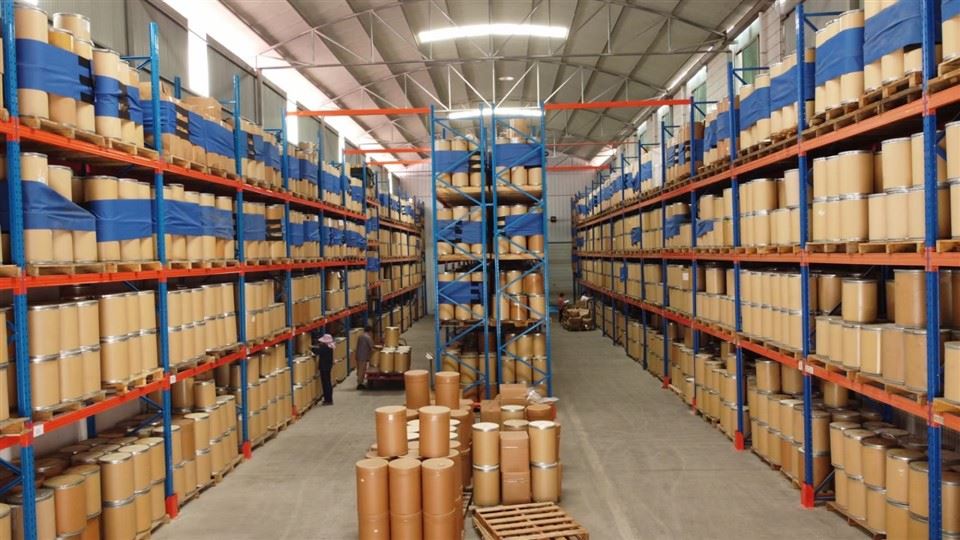


Xi'an Le-Nutra Ingredients Inc is one of the most professional manufacturers and suppliers of l-mandelic acid powder in China, featured by quality products and low price. Please rest assured to wholesale bulk l-mandelic acid powder for sale here from our factory. Customized orders are welcome.
Product Introduction
L-Mandelic Acid Powder is a chiral organic acid also known as L-(+)-Mandelic Acid or (S)-(+)-Mandelic Acid. It belongs to the alpha-hydroxy acid family and has a hydroxyl group and a carboxyl group attached to the same carbon atom.
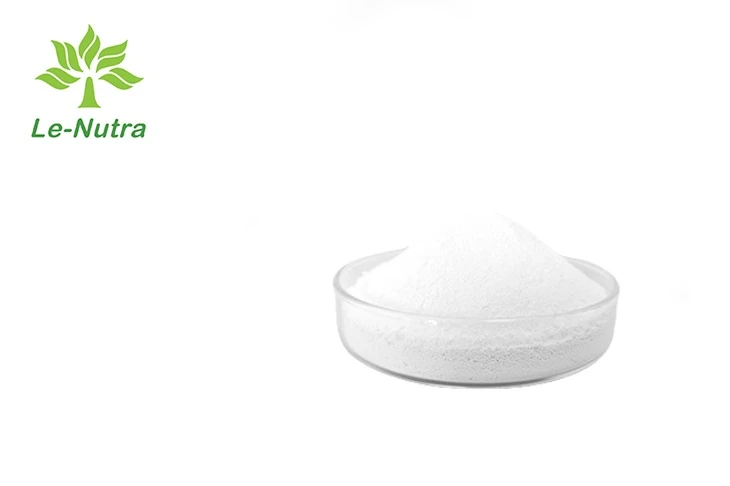
Its CAS number is 17199-29-0. The molecular formula is C₈H₈O₃, and the molecular weight is 152.15 g/mol. L-Mandelic Acid usually appears as a white to off-white crystalline powder. It has a defined stereochemical structure, which makes it different from racemic DL-Mandelic Acid.
L-Mandelic Acid Powder is used in cosmetic ingredient development, fine chemical synthesis, and pharmaceutical intermediate research. Its chiral structure makes it a useful raw material in processes that require a specific optical configuration. Buyers should check both chemical assay and optical purity when selecting this ingredient.

Why choose us?
At Le-nutral, we pride ourselves on producing high-quality skincare products that are not only effective but also safe for our customers. That's why we highly recommend our Mandelic acid powder for those in need of a reliable and gentle solution for improving skin texture and reducing the appearance of fine lines and wrinkles.
Our product is formulated with natural mandelic acid that gently exfoliates and brightens the skin while promoting a smoother and more youthful complexion. The formula is also enriched with antioxidants and moisturizing agents to nourish and hydrate the skin, making it the perfect addition to anyone's daily skincare routine.
So why choose us for your skincare needs? Because we prioritize quality and safety in everything we do, and dl mandelic acid is no exception. Experience the difference with Le-nutral.
TDS
|
Parameter |
Specification / Reference |
|---|---|
|
Product Name |
L-Mandelic Acid Powder |
|
Chemical Name |
L-(+)-Mandelic Acid |
|
Synonyms |
(S)-(+)-Mandelic Acid; L-(+)-Amygdalic Acid |
|
CAS No. |
17199-29-0 |
|
EC No. |
241-240-8 |
|
Molecular Formula |
C₈H₈O₃ |
|
Molecular Weight |
152.15 g/mol |
|
Appearance |
White to off-white crystalline powder |
|
Assay |
≥99.0% (reference grade; confirm by COA) |
|
Optical Purity |
≥98% ee (reference value; confirm by specification) |
|
Specific Rotation |
Approximately +150° to +158° |
|
Melting Point |
131–135°C |
|
Solubility |
Soluble in water; also soluble in selected polar solvents |
|
Moisture / Loss on Drying |
≤0.5% (reference value) |
|
Storage |
Keep tightly sealed in a cool, dry place, protected from light |
|
Shelf Life |
Confirm according to the manufacturer's label and COA |
|
Packaging |
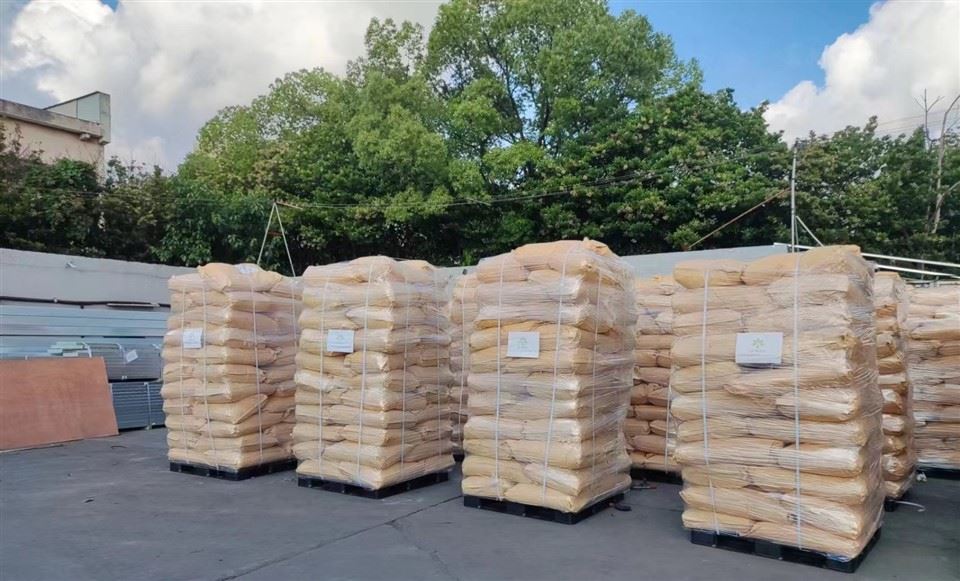
Common industrial packaging: 25 kg/drum; confirm available options |
|
Documents |
COA, TDS, SDS, subject to product grade and availability |
Product Function
Alpha-Hydroxy Acid for Exfoliating Formulations
Mandelic acid belongs to the alpha-hydroxy acid (AHA) family. It can help loosen the bonds between dead surface skin cells, making it useful in exfoliating skincare formulations. The final performance depends on the concentration, pH, and overall formula.
Supports Skin Texture Improvement
AHA-based formulas are commonly used in products designed to improve the appearance of rough or uneven skin texture. L-Mandelic Acid can be evaluated as an active ingredient in these formulations, subject to appropriate safety and stability testing.
Supports Brighter-Looking Skin Formulations
Mandelic acid is used in cosmetic products targeting dull-looking skin and uneven skin tone. Formulators may combine it with other compatible ingredients to develop products for a more even-looking complexion. Avoid making drug-like claims or promising treatment of pigmentation disorders.
Chiral Building Block for Chemical Synthesis
The defined S-(+)-configuration makes L-Mandelic Acid a useful chiral starting material or intermediate in selected chemical synthesis routes. Its suitability depends on the target molecule and process requirements.
Raw Material for Pharmaceutical Intermediate Research
L-Mandelic Acid has applications in pharmaceutical chemistry and intermediate development. Buyers should confirm the required grade, impurity profile, analytical methods, and regulatory status for the intended process.

Product Application
Cosmetic Skincare Formulations
L-Mandelic Acid may be evaluated for exfoliating skincare products, including serums, creams, lotions, and facial cleansers. Formulators should confirm the applicable cosmetic grade and assess the finished formula's pH, stability, skin compatibility, and local regulatory requirements.
Chemical Synthesis
Its chiral structure makes L-Mandelic Acid relevant to fine chemical synthesis. It can serve as a starting material or intermediate in selected processes where the S-(+)-configuration is required.
Pharmaceutical Intermediate Development
L-Mandelic Acid can be used in pharmaceutical chemistry research and intermediate development. This application requires clear specifications and suitable quality documentation. Buyers should not assume that a general industrial grade is automatically suitable for pharmaceutical manufacturing.
Laboratory Research and Development
Research teams may use L-Mandelic Acid to study chiral compounds, reaction pathways, and analytical methods. High-purity material and optical purity data are important for reproducible results.
Specialty Chemical Manufacturing
Manufacturers can evaluate L-Mandelic Acid as a specialty raw material for processes that require a defined stereochemical structure. Bulk availability, batch consistency, and agreed specifications are important for commercial production.
FAQ
Q1: What is L-Mandelic Acid Powder?
L-Mandelic Acid Powder is the crystalline form of L-(+)-Mandelic Acid, also known as (S)-(+)-Mandelic Acid. It is a chiral alpha-hydroxy acid with CAS number 17199-29-0.
Q2: What is the CAS number of L-Mandelic Acid?
The CAS number of L-(+)-Mandelic Acid is 17199-29-0. DL-Mandelic Acid has a different CAS number, 90-64-2.
Q3: What is the difference between L-Mandelic Acid and DL-Mandelic Acid?
L-Mandelic Acid contains one defined enantiomer, while DL-Mandelic Acid is a racemic mixture of two enantiomers. If your process requires a specific chiral form, check the CAS number, specific rotation, and optical purity before ordering.
Q4: What purity is available for L-Mandelic Acid Powder?
A 99% purity grade is commonly listed by chemical suppliers. The actual assay and optical purity should be confirmed through the current product specification and batch COA.
Q5: Is L-Mandelic Acid soluble in water?
Published product information describes L-(+)-Mandelic Acid as water-soluble. One supplier reference reports approximately 80 g/L at 20°C. Actual solubility can vary with temperature and test conditions, so formulators should conduct compatibility tests in their own systems.
Q6: Can L-Mandelic Acid be used in cosmetic products?
It can be evaluated for AHA-based skincare formulations. Before commercial use, confirm the ingredient's intended grade, local cosmetic regulations, permitted use conditions, and finished-product safety.
Our Advantage


Hot Tags: l-mandelic acid powder, China l-mandelic acid powder manufacturers, suppliers, factory, Hydrolyzed Potato Protein, Pure ceramide powder, Hydrolysed Potato Protein, Isononyl Isononanoate For Skin, Nicotinamide Powder, Salicylic Acid Powder For Skin