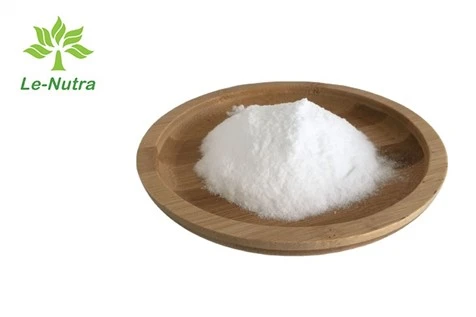
Xi'an Le-Nutra Ingredients Inc is one of the most professional manufacturers and suppliers of soy oligopeptides powder in China, featured by quality products and low price. Please rest assured to wholesale bulk soy oligopeptides powder for sale here from our factory. Customized orders are welcome.
Soy Protein Hydrolysate – Enzymatically Hydrolyzed Plant Protein for Functional Food Applications

Soy Protein Hydrolysate is a plant-based protein ingredient produced by breaking down soybean proteins into smaller peptides and amino acids through controlled hydrolysis. It provides a versatile protein-derived ingredient for food manufacturers, nutritional supplement brands and functional food developers.
The hydrolysis process changes the molecular structure of soy protein and influences its solubility, molecular weight distribution, flavor and functional properties. Depending on the enzyme system and processing conditions, manufacturers can develop different grades of soy protein hydrolysates for specific formulation requirements.
Unlike conventional soy protein isolate, Soy Protein Hydrolysate contains partially or extensively hydrolyzed protein components. These components can offer different formulation characteristics, making the ingredient suitable for protein-enriched beverages, nutritional powders, functional foods and specialized food applications.
Le-Nutra supplies plant-based ingredients to international B2B customers. With over 14 years of experience in the plant extract and natural ingredient industry, we focus on product quality, technical documentation and reliable supply for commercial ingredient sourcing.
COA, TDS and relevant product specifications can be provided according to the selected grade.
What Makes Our Soy Protein Hydrolysate Suitable for Food and Nutritional Formulations?

Controlled Degree of Hydrolysis (DH)
The degree of hydrolysis (DH) indicates the proportion of peptide bonds that have been cleaved during protein hydrolysis. It is one of the key parameters for evaluating Soy Protein Hydrolysate.
Different DH levels produce different peptide profiles and functional properties. A higher DH generally means more extensive protein breakdown, but it does not automatically indicate better performance in every application.
For example, highly hydrolyzed soy protein may offer improved solubility, while moderate hydrolysis may better preserve certain emulsifying and foaming properties. Manufacturers need to select the appropriate DH according to the intended food formulation.
Soy Protein Source and Raw Material Selection
The quality of Soy Protein Hydrolysate starts with the selection of soybean protein raw materials. Soy protein isolate and other suitable soybean protein ingredients can serve as starting materials for hydrolysis.
Raw material selection affects protein content, amino acid composition, processing performance and the final peptide profile.
For food manufacturers, consistent raw material quality is important for maintaining predictable processing conditions and finished product characteristics.
Enzymatic Hydrolysis and Peptide Formation
Enzymatic hydrolysis is a widely used method for producing Soy Protein Hydrolysate. Proteases break peptide bonds in soybean proteins under controlled temperature, pH and reaction time.
Different enzymes have different cleavage preferences, which influence the resulting peptide composition, molecular weight distribution and sensory characteristics.
The selection of enzyme systems and processing parameters is therefore important for developing hydrolysates with specific technical properties.
Molecular Weight Distribution and Peptide Profile
Soy Protein Hydrolysate contains a mixture of peptides with different molecular weights and free amino acids. Its molecular weight distribution depends on the original protein source, enzyme specificity and degree of hydrolysis.
This parameter helps food developers understand the composition of the hydrolysate and evaluate its suitability for different applications.
Size-exclusion chromatography can be used to characterize molecular weight distribution. A detailed profile provides more useful information than a single average molecular weight value.
Solubility and Flavor Characteristics
Hydrolysis changes the structure and surface properties of soybean proteins. Depending on the DH and peptide composition, the resulting ingredient may show improved solubility under certain pH conditions.
Flavor is another important consideration. Some soy protein hydrolysates develop bitterness because of hydrophobic peptide sequences formed during enzymatic treatment.
Enzyme selection, hydrolysis control and suitable debittering processes can help manage the flavor profile. This is particularly important for beverage, nutritional powder and oral supplement formulations.
Technical Data Sheet
|
Test Item |
Specification |
Test Method |
|---|---|---|
|
Appearance |
Light yellow to yellow powder |
Visual |
|
Odor |
Characteristic, no abnormal odor |
Sensory |
|
Protein Content |
≥80% |
Kjeldahl / Dumas |
|
Degree of Hydrolysis |
Customized according to grade |
OPA / TNBS |
|
Peptide Content |
To be confirmed by COA |
Validated method |
|
Molecular Weight |
According to product grade |
SEC-HPLC |
|
Moisture |
≤7.0% |
Loss on drying |
|
Ash |
≤8.0% |
Gravimetric |
|
pH (2% Solution) |
4.0–7.0 |
pH meter |
|
Solubility |
Grade-dependent |
Solubility test |
|
Fat |
≤2.0% |
Soxhlet |
|
Lead |
≤2.0 mg/kg |
ICP-MS |
|
Arsenic |
≤1.0 mg/kg |
ICP-MS |
|
Cadmium |
≤1.0 mg/kg |
ICP-MS |
|
Mercury |
≤0.1 mg/kg |
ICP-MS |
|
Total Plate Count |
≤1,000 CFU/g |
GB 4789.2 |
|
Yeast & Mold |
≤100 CFU/g |
GB 4789.15 |
|
E. coli |
Negative |
GB 4789.38 |
|
Salmonella |
Negative/25 g |
GB 4789.4 |

Key Functional Properties of Soy Protein Hydrolysate
Improved Protein Solubility
Enzymatic hydrolysis breaks large protein molecules into smaller peptides, which can improve solubility under suitable conditions. This property is particularly useful when developing protein-enriched beverages, instant nutritional powders and liquid food formulations.
The actual solubility depends on DH, peptide composition, pH and ionic strength. Manufacturers should evaluate the ingredient in their intended formulation system.
Emulsifying Properties
Soy Protein Hydrolysate may contribute to emulsification by helping stabilize oil-water interfaces in selected food systems. Peptide size, surface properties and hydrolysis conditions influence its emulsifying activity and stability.
This property can be evaluated in sauces, dressings, nutritional beverages and other emulsion-based products.
Foaming Properties
Some soy protein hydrolysates can contribute to foam formation in food systems. Their foaming performance depends on peptide composition, concentration and processing conditions.
Food developers can evaluate this property in selected powdered beverages, bakery formulations and aerated food products. Foaming capacity and foam stability should be assessed separately.
Gelation and Texture Modification
Hydrolysis changes protein chain length and molecular interactions, which can influence gel formation and texture. The effect depends on the degree of hydrolysis and the interaction between peptides and other ingredients.
In selected food systems, soy protein hydrolysates can be evaluated as part of texture-modifying formulations. However, extensive hydrolysis may reduce the ability to form strong protein gels.
Antioxidant Potential of Soy-Derived Peptides
Certain peptides generated during soy protein hydrolysis have demonstrated antioxidant activity in laboratory studies. Their activity may involve free-radical scavenging and metal-ion chelation.
The results depend on the amino acid sequence, molecular weight distribution and hydrolysis process. These research findings support further ingredient development but should not be interpreted as established clinical effects.
Water and Oil-Binding Characteristics
Soy protein hydrolysates may show different water- and oil-binding properties depending on their peptide profile and hydrolysis degree. These characteristics can influence moisture retention, texture and processing performance in selected food products.
The appropriate grade should be selected according to the functional requirements of the finished formulation.
Commercial Applications of Soy Protein Hydrolysate

Nutritional Supplements and Protein Powders
Soy Protein Hydrolysate can be used as a plant-based protein ingredient in nutritional supplements and protein powder formulations. Its hydrolyzed protein structure makes it an alternative to conventional soy protein ingredients in selected products.
Manufacturers can combine it with amino acids, vitamins, minerals and other plant proteins to develop nutritional powder blends, sachets and powdered supplements.
Functional Beverages and Protein Drinks
Soy Protein Hydrolysate can be evaluated in protein beverages, instant drinks and liquid nutritional formulations. Its solubility characteristics make it a potential ingredient for beverage systems where protein dispersion is important.
Food developers should evaluate taste, clarity, sedimentation and stability during product development. Acidic beverage applications require particular attention to pH compatibility.
Sports Nutrition and Protein Formulations
Soy Protein Hydrolysate can be incorporated into plant-based sports nutrition products and protein blends. It provides hydrolyzed soy protein components that can complement pea protein, rice protein and other nutritional ingredients.
Sports nutrition manufacturers can evaluate different hydrolysis grades based on protein content, amino acid profile, taste and solubility.
Functional Foods and Protein-Enriched Foods
Soy Protein Hydrolysate can be used in selected functional food products, nutritional bars, meal replacement powders, soups and food protein blends.
Its functional properties may contribute to solubility, emulsification and texture development, depending on the specific food matrix and processing conditions.
For commercial production, compatibility with other ingredients and sensory performance should be evaluated before finalizing the formula.
Food Processing and Flavor Formulations
Selected soy protein hydrolysates can be used as functional or nutritional ingredients in food processing. Depending on the production method and product grade, they may contribute to protein enrichment and flavor development.
Hydrolysates intended for savory food applications should be evaluated for taste, salt content, color and compatibility with the overall formulation.
Specialized Nutrition and Plant-Based Food Products
Soy Protein Hydrolysate provides an additional ingredient option for manufacturers developing plant-based and specialized nutritional products.
Its peptide profile and protein characteristics can be selected according to the intended application. Formulators should also consider soy allergen labeling and applicable food regulations when developing finished products.
Frequently Asked Questions About Soy Protein Hydrolysate
What Is the Difference Between Soy Protein Hydrolysate and Soy Oligopeptide?
Soy Protein Hydrolysate is a broad category of hydrolyzed soy protein ingredients containing peptides of different molecular weights and free amino acids.
Soy Oligopeptide generally refers to the smaller peptide fractions within hydrolyzed protein ingredients. The distinction depends on the product's peptide profile and molecular weight distribution.
What Is the Degree of Hydrolysis (DH) of Soy Protein Hydrolysate?
Degree of Hydrolysis refers to the percentage of peptide bonds cleaved during protein hydrolysis. It indicates how extensively the original protein has been broken down.
The appropriate DH depends on the intended application. Buyers should request the actual DH specification and analytical method when comparing different suppliers.
What Is the Protein Content of Soy Protein Hydrolysate?
Protein content varies depending on the raw material, hydrolysis process and product grade. Commercial specifications may use different nitrogen conversion factors and testing methods.
Buyers should confirm the protein content on the same calculation basis when comparing COAs from different manufacturers.
Is Soy Protein Hydrolysate Water-Soluble?
Soy Protein Hydrolysate can offer improved water solubility compared with certain non-hydrolyzed soy protein ingredients. However, the actual result depends on DH, molecular weight distribution, pH and concentration.
Buyers should request a solubility test report or sample for evaluation in their target formulation.
Why Does Soy Protein Hydrolysate Have a Bitter Taste?
Bitterness can develop during enzymatic hydrolysis because certain proteases generate hydrophobic peptide sequences. The degree of bitterness depends on enzyme specificity, DH and peptide composition.
Controlled hydrolysis, enzyme selection and debittering techniques can help improve the sensory profile.
Which Testing Methods Are Used for Soy Protein Hydrolysate?
Common analytical methods include:
Kjeldahl or Dumas for protein content.
OPA or TNBS for degree of hydrolysis.
SEC-HPLC for molecular weight distribution.
ICP-MS for heavy metal analysis.
Standard microbiological methods for microbial testing.
The analytical method should be specified in the product specification or COA.
What Is the MOQ for Bulk Soy Protein Hydrolysate?
The MOQ depends on the product grade, available inventory, customized specifications and packaging requirements.
Buyers can contact Le-Nutra with the required protein content, DH, quantity and destination to receive a suitable quotation.
Our Advantage

Our Packages

Our Factory

Our Logistics

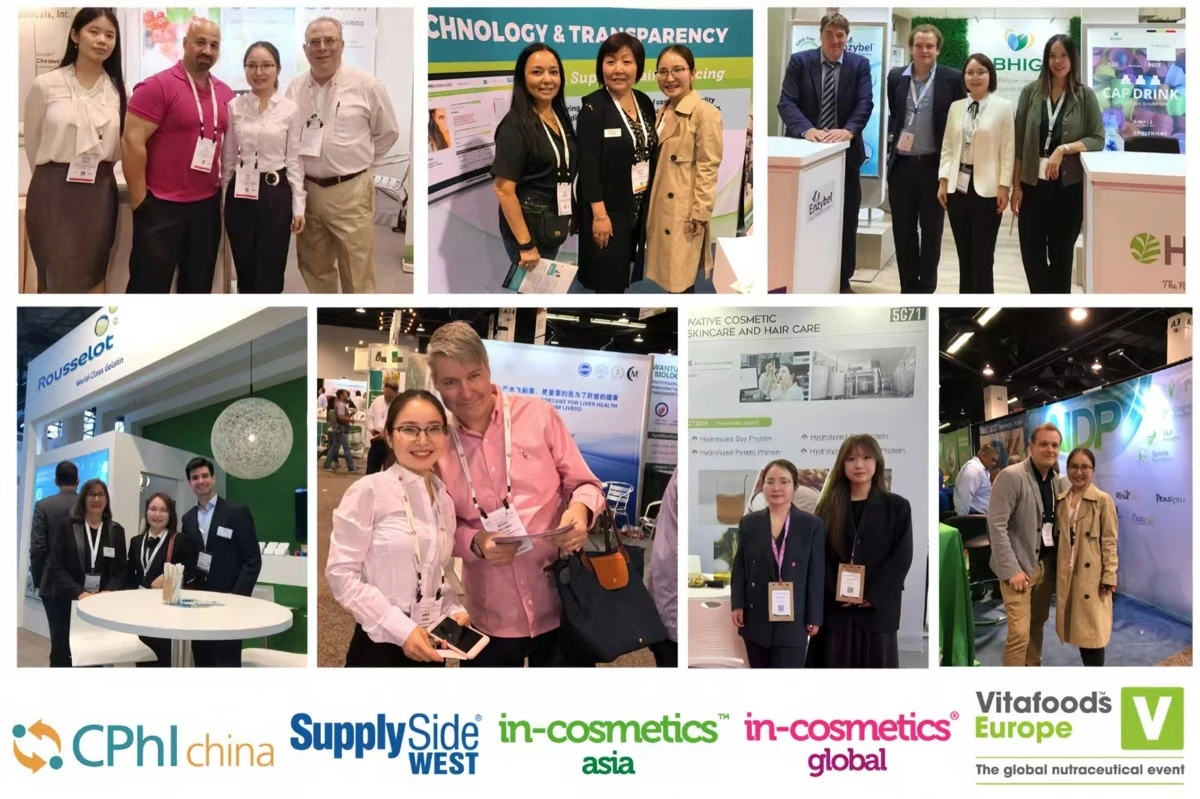
Our Exhibition
Our Certificates

Hot Tags: soy oligopeptides powder, China soy oligopeptides powder manufacturers, suppliers, factory, Pentaerythrityl Tetraethylhexanoate, Hydrolysed Rice Protein Powder, Corn Oligopeptides Powder, Pure Salicylic Acid Powder, Hydrolyzed Wheat Protein Liquid, Monobenzone Powder