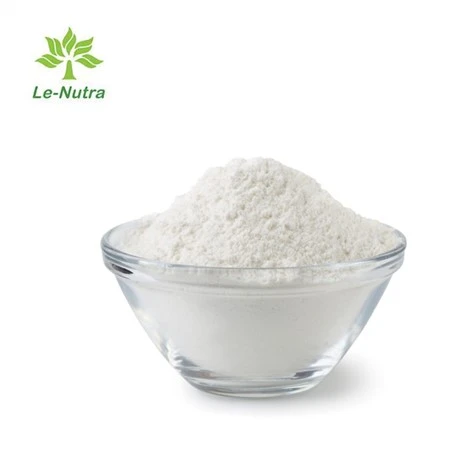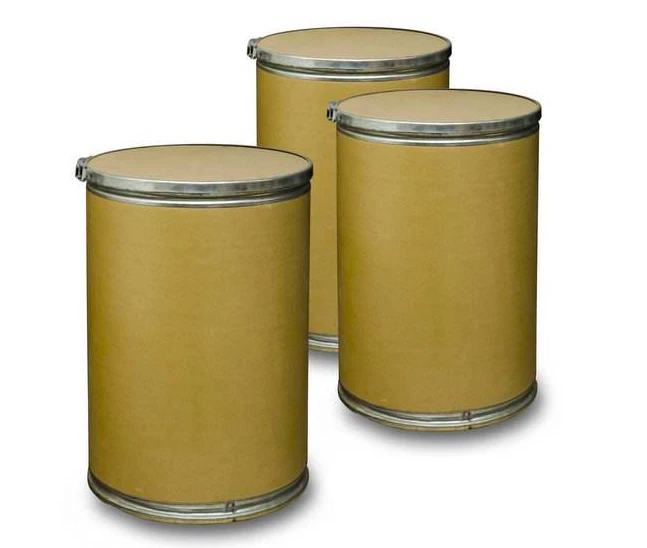
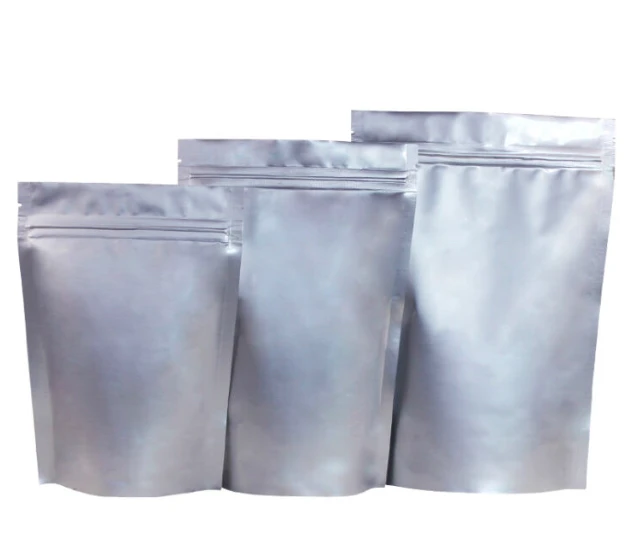


Xi'an Le-Nutra Ingredients Inc is one of the most professional manufacturers and suppliers of cq10 ubiquinol in China, featured by quality products and low price. Please rest assured to wholesale bulk cq10 ubiquinol for sale here from our factory. Customized orders are welcome.
Reduced Coenzyme Q10 Ingredient for Advanced Dietary Supplement Formulations
CoQ10 Ubiquinol Powder is a nutritional ingredient containing ubiquinol, the reduced form of Coenzyme Q10 (CoQ10). CoQ10 is a naturally occurring, fat-soluble compound found in human cells. It plays an important role in mitochondrial energy production and cellular antioxidant systems.
CoQ10 exists in two main forms: ubiquinone (oxidized CoQ10) and ubiquinol (reduced CoQ10). Ubiquinol carries two additional hydrogen atoms and participates in the body's natural oxidation-reduction cycle. Both forms can convert into each other through biological processes.
Unlike botanical extracts, commercial ubiquinol is not a conventional plant extract. It can be produced through controlled fermentation, followed by purification and processing. The Australian Therapeutic Goods Administration identifies yeast fermentation as a production method for Ubiquinol-10.
Xi'an Le-Nutra Ingredients Inc. provides natural ingredient and nutritional raw material supply solutions for global manufacturers. We support product specification evaluation, technical documentation, sample arrangements, and bulk sourcing requirements.
Basic Product Information
| Item | Details |
|---|---|
| Product Name | CoQ10 Ubiquinol Powder |
| Common Name | Ubiquinol / Reduced CoQ10 |
| Chemical Name | Ubiquinol-10 |
| CAS Number | 992-78-9 |
| Molecular Formula | C59H92O4 |
| Molecular Weight | 865.37 g/mol |
| Appearance | White to pale yellow solid |
| Main Active Ingredient | Ubiquinol |
| Production Method | Fermentation-based production and purification |
| Main Applications | Dietary supplements and nutritional formulations |
What Makes Ubiquinol a Distinctive CoQ10 Ingredient for Supplement Formulations?
Reduced Form of Coenzyme Q10
Ubiquinol is the reduced form of CoQ10, while ubiquinone is the oxidized form. Both participate in the CoQ10 redox cycle.
This distinction matters when selecting raw materials. Manufacturers should confirm whether their formulation requires reduced CoQ10 or oxidized CoQ10 and specify the required form in purchasing documents.
Fermentation-Based Production
Commercial Ubiquinol-10 can be produced through controlled yeast fermentation. The production process also involves purification and quality checks to achieve the required ingredient specifications.
Fermentation-based production provides a defined manufacturing route. Buyers should request information about the production source, process controls, and applicable quality documents.
Lipid Solubility and Formulation Compatibility
Pure ubiquinol is a fat-soluble ingredient and is practically insoluble in water. It is suitable for oil-based formulations, especially softgel products.
Powder formulations may use carriers or stabilization technologies to improve handling, dispersion, and processing performance. Buyers should distinguish pure ubiquinol from carrier-based powder grades before comparing prices.
Oxidation Sensitivity and Stability Control
Ubiquinol can oxidize into ubiquinone when exposed to air. Light and moisture can also affect its stability.
Manufacturers should control oxygen exposure during processing and use suitable protective packaging. Nitrogen protection and oxygen-barrier materials may help reduce oxidation during handling and storage, depending on the product design.
Defined Active Content and Quality Requirements
Ubiquinol content is a key purchasing parameter. A specification should clearly state the assay, ubiquinone content, moisture, impurities, and analytical methods.
For carrier-based powders, the total powder weight is not equal to the active CoQ10 content. Buyers should calculate formulation quantities using the actual assay on the COA.
CoQ10 Ubiquinol Powder Technical Specifications
| Parameter | TGA Reference for Ubiquinol-10 | Test Method |
|---|---|---|
| Appearance | White to pale yellow solid | Visual |
| Identification | Conforms to reference standard | IR |
| Ubiquinol Assay | 96.0–102.0% | HPLC |
| Ubiquinone | Not more than 2.0% | HPLC |
| Water Content | Not more than 0.3% | Karl Fischer |
| Ethanol Residue | Not more than 100 ppm | BP method |
| Heavy Metals | Not more than 20 ppm | Ph. Eur. method |
| Residue on Ignition | Not more than 0.2% | USP <281> |
| Total Other Impurities | Not more than 1.0% | HPLC |
| Other Individual Impurity | Not more than 0.5% | HPLC |
| Water Solubility | Practically insoluble | Solubility test |
| Microbiological Limits | Confirm according to applicable finished-product requirements | Microbiological testing |
Key Functional Properties of Ubiquinol
Supports Mitochondrial Energy Production
CoQ10 participates in the mitochondrial electron transport chain, where it helps transfer electrons during cellular respiration. This process supports ATP production, which provides energy for normal cellular activities.
Ubiquinol is one of the two redox forms involved in this biochemical cycle.
Provides Antioxidant Activity
Ubiquinol acts as a lipid-soluble antioxidant. It participates in antioxidant systems that help protect lipids and cellular structures from oxidative damage.
This property makes it a relevant ingredient for nutritional formulations focused on antioxidant support.
Participates in Cellular Redox Balance
Ubiquinol and ubiquinone convert between reduced and oxidized states. This reversible process supports normal cellular redox reactions and CoQ10 metabolism.
Supports Research on Mitochondrial Function
CoQ10 is widely studied in relation to mitochondrial activity, cellular energy metabolism, and oxidative stress. Ubiquinol is an important ingredient in this research area.
These biochemical functions provide a scientific basis for its use in nutritional products. They should not be interpreted as evidence that every finished supplement produces a specific clinical outcome.
Commercial Applications of CoQ10 Ubiquinol Powder
Softgel Dietary Supplements
Ubiquinol is commonly used in oil-based softgel formulations because of its lipid solubility. Manufacturers can combine it with suitable carrier oils and antioxidant systems to develop finished nutritional products.
Oxygen exposure, filling temperature, and packaging materials require careful evaluation during production.
Hard Capsules and Powder Supplements
Carrier-based Ubiquinol Powder can be used in hard capsules and powder blends. Its active content, flow properties, particle size, and dispersion performance are important formulation parameters.
Manufacturers should select a powder grade that matches their required dosage and processing equipment.
Antioxidant Nutritional Formulations
Ubiquinol can be incorporated into nutritional products positioned around antioxidant support and cellular health. It may be combined with selected vitamins and other nutritional ingredients after compatibility testing.
Healthy Aging and Mitochondrial Support Products
Ubiquinol is used in supplement concepts focused on cellular energy metabolism and healthy aging. It provides a defined CoQ10 ingredient for brands developing specialized nutritional formulations.
Customized Nutritional Blends
Premix manufacturers can incorporate stabilized Ubiquinol Powder into customized nutritional blends. Active content, carrier composition, moisture, and oxidation stability should be confirmed before commercial production.
Ubiquinol Manufacturing and Quality Control
Controlled Fermentation and Purification
Fermentation provides a commercial production route for Ubiquinol-10. Manufacturers must control the production process, purification conditions, and subsequent handling to maintain the required reduced form.
The purification process should address related substances and residual processing materials.
HPLC Analysis of Ubiquinol and Ubiquinone
HPLC is essential for evaluating the active ubiquinol content and monitoring conversion into ubiquinone.
A suitable analytical method should distinguish the reduced and oxidized forms rather than report only total CoQ10. This distinction helps manufacturers evaluate raw material quality and finished-product stability.
Moisture, Residual Solvents and Impurity Testing
Karl Fischer titration can measure water content. Appropriate chromatographic methods can evaluate residual solvents and related impurities. Heavy metal testing supports raw material safety assessment.
COA, TDS and Quality Documentation
Professional ingredient procurement requires reliable documentation. Buyers should request:
- Certificate of Analysis (COA)
- Technical Data Sheet (TDS)
- Safety Data Sheet (SDS)
- HPLC assay and impurity profile
- Residual solvent report
- Heavy metal report
- Microbiological report, where applicable
- Manufacturing origin and process information
- Applicable quality and regulatory documents
Bulk CoQ10 Ubiquinol Powder Supply and OEM/ODM Solutions
Bulk Purchasing and Wholesale Supply
We support ingredient sourcing requirements for supplement manufacturers, nutritional brands, and international raw material distributors.
Buyers can provide their required active content, annual demand, target application, and destination market to evaluate an appropriate supply solution.
Customized Active Content and Powder Specifications
Different formulation projects may require pure ubiquinol or carrier-based powder grades.
Customized discussions can cover active content, carrier selection, particle size, packaging, and technical documentation, subject to production and sourcing availability.
OEM/ODM and Private Label Cooperation
For suitable projects, we can discuss customized nutritional ingredient solutions, private-label arrangements, and packaging requirements.
Our team can assist with raw material evaluation and technical communication throughout the procurement process.
Global Shipping and Export Support
We support international orders with export documentation and logistics arrangements. Common trade terms include EXW, FOB, CIF, and DAP, depending on the order.
Destination-specific regulatory requirements should be confirmed before shipment.
Ubiquinol Powder Packaging and Storage Requirements
Ubiquinol is sensitive to oxygen, light, and moisture. Suitable packaging and storage conditions are important for maintaining its reduced form and active content.
Recommended handling practices include:
- Use sealed, oxygen-resistant and moisture-resistant packaging.
- Protect the material from direct light.
- Minimize air exposure during weighing and processing.
- Consider nitrogen protection where appropriate.
- Keep containers tightly closed after opening.
- Follow the temperature and storage conditions stated in the approved product specification.
Pure ubiquinol and carrier-based powder grades may have different storage requirements. Some high-purity materials require low-temperature storage. Always follow the manufacturer's approved storage instructions rather than applying a universal temperature.
Our Packages

Our Factory

Our Logistics

Our Certificates

Our Exhibition

Contact Us
To explore how our Hydrolysed Rice Peptide can enhance your products, contact us at info@lenutra.com, aimee@lenutra.com
Hot Tags: cq10 ubiquinol, China cq10 ubiquinol manufacturers, suppliers, factory, Liposomal Lron Powder, L Rhamnose Monohydrate, White Bean Extract, HSPC, Sodium pyruvate, Sulfanilamidothiazole