



Xi'an Le-Nutra Ingredients Inc is one of the most professional manufacturers and suppliers of soy oligopeptide powder in China, featured by quality products and low price. Please rest assured to wholesale bulk soy oligopeptide powder for sale here from our factory. Customized orders are welcome.
Soy Oligopeptide Powder – Low Molecular Weight Soy Protein Peptides for Nutritional Formulations

Soy Oligopeptide Powder is a plant-based peptide ingredient derived from soybean protein through controlled enzymatic hydrolysis. This process breaks large soy protein molecules into smaller peptide chains and free amino acids, creating an ingredient suitable for modern nutritional formulations.
Unlike conventional soy protein powder, which mainly contains intact or larger protein molecules, soy oligopeptides contain a higher proportion of small-molecular-weight peptides. Their molecular weight distribution, peptide content and water solubility make them valuable ingredients for nutritional supplements, functional beverages and protein-enriched food products.
Le-Nutra supplies Soy Oligopeptide Powder for B2B manufacturers, dietary supplement brands and functional food developers. We focus on ingredient quality, batch consistency and reliable bulk supply. Product specifications, COA, TDS and other supporting documents can be provided according to the selected grade.
What Makes Our Soy Oligopeptide Powder Suitable for Nutritional Formulations?
High Peptide Content for Nutritional Formulations
Peptide content is one of the most important indicators when evaluating Soy Oligopeptide Powder. It reflects the proportion of peptide components in the finished ingredient and helps buyers compare different grades.
A standardized peptide content specification makes it easier for supplement manufacturers to select raw materials for protein-based powders, nutritional beverages and peptide blends.
Controlled Molecular Weight Distribution
Molecular weight distribution determines the proportion of peptides within different molecular size ranges. Soy oligopeptides generally contain dipeptides, tripeptides and other short peptide chains.
For buyers developing specialized nutritional formulations, molecular weight distribution provides more useful information than a single average molecular weight value. Le-Nutra can provide available molecular weight data according to the product grade and analytical method.
Enzymatic Hydrolysis for Peptide Production
Enzymatic hydrolysis is used to break down soybean proteins under controlled processing conditions. Enzyme selection, reaction time, temperature and pH all influence the resulting peptide profile.
A controlled process helps manufacturers manage hydrolysis levels and obtain more consistent peptide characteristics. It also provides opportunities to improve solubility and manage the bitterness commonly associated with some soy protein hydrolysates.
Plant-Based Protein Source
Soybean provides a plant-based source of protein and peptides for manufacturers developing vegetarian and vegan nutritional products. It offers an alternative to animal-derived peptide ingredients in selected formulations.
For brands seeking plant-based protein solutions, Soy Oligopeptide Powder can be incorporated into products alongside other plant proteins, amino acids and functional ingredients.
Water Solubility and Formulation Compatibility
Water solubility is an important consideration for powder drinks, liquid nutrition products and instant formulations. The hydrolysis process changes the structural properties of soybean proteins and can improve their dispersibility and solubility.
Actual performance depends on peptide composition, processing conditions, pH, concentration and other ingredients in the formulation. Buyers should evaluate solubility in their intended product system before commercial production.
Technical Specifications
|
Test Item |
Specification |
Test Method |
|---|---|---|
|
Appearance |
Light yellow to yellow powder |
Visual inspection |
|
Odor |
Characteristic, no abnormal odor |
Organoleptic |
|
Peptide Content |
≥80.0% |
GB/T 22492 or validated method |
|
Protein Content |
≥85.0% |
Kjeldahl / Dumas |
|
Molecular Weight |
Mainly below 1,000 Da( |
SEC-HPLC / LC-MS |
|
Moisture |
≤7.0% |
Loss on drying |
|
Ash |
≤6.5% |
Gravimetric method |
|
Fat |
≤1.0% |
Soxhlet extraction |
|
Solubility |
≥95.0% |
Solubility test |
|
pH (1% Solution) |
6.0–7.5 |
pH meter |
|
Lead |
≤2.0 mg/kg |
ICP-MS |
|
Arsenic |
≤1.0 mg/kg |
ICP-MS |
|
Cadmium |
≤1.0 mg/kg |
ICP-MS |
|
Mercury |
≤0.1 mg/kg |
ICP-MS |
|
Total Plate Count |
≤1,000 CFU/g |
GB 4789.2 |
|
Yeast & Mold |
≤100 CFU/g |
GB 4789.15 |
|
E. coli |
Negative |
GB 4789.38 |
|
Salmonella |
Negative/25 g |
GB 4789.4 |
Key Functional Properties of Soy Oligopeptide Powder
Protein and Peptide Nutritional Support
Soy Oligopeptide Powder provides peptide-based nitrogen and amino acid components for nutritional formulations. Its protein-derived composition makes it suitable for products designed to increase protein intake and diversify plant-based protein sources.
Manufacturers can use it in nutritional powders, protein blends and formulated beverages where peptide content is an important ingredient specification.
Antioxidant Potential
Certain soybean-derived peptides have demonstrated free-radical-scavenging and lipid oxidation-inhibiting activities in laboratory studies. These properties are associated with the amino acid sequences and structures of specific peptides.
This gives soy peptide ingredients potential value in the development of functional nutrition products. However, antioxidant activity varies with peptide composition and processing conditions. In vitro findings should not be interpreted as proven clinical benefits of the commercial ingredient.
Digestibility-Related Properties
Enzymatic hydrolysis breaks large protein molecules into smaller peptides. This changes the structural characteristics of the original protein and may improve its accessibility to digestive enzymes.
The actual digestive response depends on peptide composition, processing conditions and the overall food matrix. Soy oligopeptides can therefore be considered for specialized nutritional formulations where protein hydrolysates are preferred.
Functional Properties in Food Systems
Soy protein hydrolysates can contribute to solubility, dispersibility and other physicochemical properties in food formulations. Depending on the hydrolysis degree and peptide profile, they may also influence emulsification, foaming and water-binding behavior.
These properties help food developers evaluate soy peptides as functional ingredients rather than simply as protein sources.
Plant-Based Nutritional Formulation Support
Soy Oligopeptide Powder offers a plant-derived peptide option for vegetarian and vegan product development. It can complement other plant proteins and nutritional ingredients in products designed for different dietary preferences.
Commercial Applications of Soy Oligopeptide Powder
Dietary Supplements and Nutritional Powders
Soy Oligopeptide Powder can serve as a peptide-based protein ingredient in dietary supplement formulations. Manufacturers can incorporate it into powdered supplements, sachets, tablets and blended nutritional products.
Its plant-based origin also supports the development of vegetarian protein and peptide supplements.
Functional Beverages and Protein Drinks
Its peptide composition and potential water-solubility advantages make Soy Oligopeptide Powder a candidate ingredient for liquid nutrition products, instant drinks and protein beverages.
Formulators can evaluate it in ready-to-mix powders, clear beverage systems and flavored nutritional drinks. Solubility, clarity, taste and stability should be tested under actual formulation conditions.
Sports Nutrition and Protein Blends
Soy Oligopeptide Powder can be combined with pea protein, rice protein, amino acids and other nutritional ingredients to develop plant-based sports nutrition products.
It provides an additional peptide component for protein blends and post-exercise nutritional formulations. The final amino acid profile and protein contribution should be calculated based on the complete formula.
Functional Foods and Protein-Enriched Products
Food manufacturers can incorporate soy peptides into selected protein-enriched products, nutritional bars, powdered meal mixes and other functional food systems.
Depending on the formulation, soy peptides may contribute to protein content, dispersibility and selected functional properties. Product developers should assess flavor compatibility and processing stability before scaling up.
Specialized Nutritional Formulations
Soy oligopeptides can be considered for specialized nutritional products where hydrolyzed plant protein is preferred. Their peptide profile provides formulators with another option when developing products for specific nutritional requirements.
The suitability of the ingredient depends on the intended population, product classification, regulatory requirements and supporting evidence.
Soy Oligopeptide Powder Manufacturing and Quality Control
Controlled Enzymatic Hydrolysis Process
The production of Soy Oligopeptide Powder involves several processing stages, including soybean protein preparation, enzymatic hydrolysis, enzyme inactivation, separation, concentration and spray drying.
Enzyme selection and hydrolysis conditions influence peptide composition, molecular weight distribution and product characteristics. Process control helps manufacturers maintain consistent quality across production batches.
For buyers with specific formulation requirements, key process-related parameters can be discussed before order confirmation.
HPLC Testing and Batch Consistency
Analytical testing is an important part of quality management for soy peptide ingredients. Appropriate chromatographic methods help evaluate peptide composition and molecular weight distribution.
Each production batch should undergo quality checks based on the agreed specification. Important parameters include peptide content, protein content, moisture, ash, solubility and microbiological quality.
Batch records and analytical reports help buyers evaluate whether the ingredient meets their procurement requirements.
COA, TDS and Quality Documentation
Complete technical documentation helps supplement manufacturers and food ingredient buyers evaluate raw material quality before production.
Le-Nutra can coordinate the following documents according to product grade and customer requirements:
COA (Certificate of Analysis)
TDS (Technical Data Sheet)
SDS/MSDS (Safety Data Sheet)
Product specification
Allergen statement
Non-GMO statement, where applicable
Microbiological and heavy metal test reports
Relevant quality certificates, subject to product and manufacturing site scope
These documents support incoming material inspection, supplier evaluation and internal quality management.
Raw Material Traceability and Allergen Management
Soy is a major food allergen in many markets. Manufacturers must consider allergen labeling, handling procedures and cross-contact prevention when using soy-derived ingredients.
Raw material identification, production records and batch traceability also support quality investigations and supplier audits.
Frequently Asked Questions About Soy Oligopeptide Powder
What Is Soy Oligopeptide Powder?
Soy Oligopeptide Powder is a peptide ingredient produced by enzymatic hydrolysis of soybean protein. It contains short peptide chains and free amino acids. It is commonly used in nutritional supplements, functional foods and protein-based formulations.
What Is the Difference Between Soy Peptide Powder and Soy Protein Powder?
Soy protein powder mainly contains larger protein molecules, while Soy Oligopeptide Powder contains smaller peptide chains produced through enzymatic hydrolysis. The two ingredients differ in molecular weight distribution, solubility and formulation characteristics.
What Is the Standard Peptide Content of Soy Oligopeptide Powder?
Common commercial specifications include 80% peptide content and other customized grades. The actual peptide content should be confirmed through the product COA and the corresponding analytical method.
What Is the Molecular Weight of Soy Oligopeptides?
Soy oligopeptides contain peptides with different molecular weights. Some commercial grades target a high proportion of peptides below 1,000 Da. Buyers should request the molecular weight distribution report rather than relying only on an average molecular weight value.
Which Testing Methods Are Used for Soy Oligopeptide Powder?
Testing methods depend on the parameter being evaluated. SEC-HPLC can be used for molecular weight distribution, while validated peptide and protein analysis methods are used for content determination. ICP-MS is commonly used for heavy metal testing, and microbiological methods are used for microbial quality assessment.
Is Soy Oligopeptide Powder Water-Soluble?
Many soy oligopeptide grades offer good water solubility due to their hydrolyzed protein structure. However, actual solubility depends on peptide composition, concentration, pH and processing conditions. Buyers should request a solubility specification or test sample before bulk purchasing.
Does Soy Oligopeptide Powder Have a Bitter Taste?
Some soy protein hydrolysates may have a bitter taste due to hydrophobic peptide sequences generated during enzymatic hydrolysis. Enzyme selection, hydrolysis control and debittering techniques can help manage the flavor profile.
For beverage and oral supplement applications, buyers should evaluate the taste of the actual sample.
What Is the MOQ for Bulk Soy Oligopeptide Powder?
The minimum order quantity depends on the selected grade, available inventory and packaging requirements. Sample orders and commercial bulk orders can be discussed separately.
Contact Le-Nutra with your target specification and estimated quantity for an accurate quotation.
Can I Request a Soy Oligopeptide Powder Sample?
Yes. Samples can be arranged for quality evaluation and formulation testing, subject to product availability. Buyers can use the sample to assess appearance, taste, solubility and compatibility with their formulations.
What Documents Can You Provide for Soy Oligopeptide Powder?
Available documents may include COA, TDS, SDS/MSDS, product specifications, allergen statements and relevant quality certificates. Additional testing reports can be discussed according to the destination market and customer requirements.
How Is Soy Oligopeptide Powder Packaged and Shipped?
Common packaging options include 1 kg aluminum foil bags and 25 kg fiber drums with inner plastic bags. Air freight, sea freight and international express can be arranged according to the order quantity and destination.
Our Advantage

Our Packages

Our Factory

Our Logistics

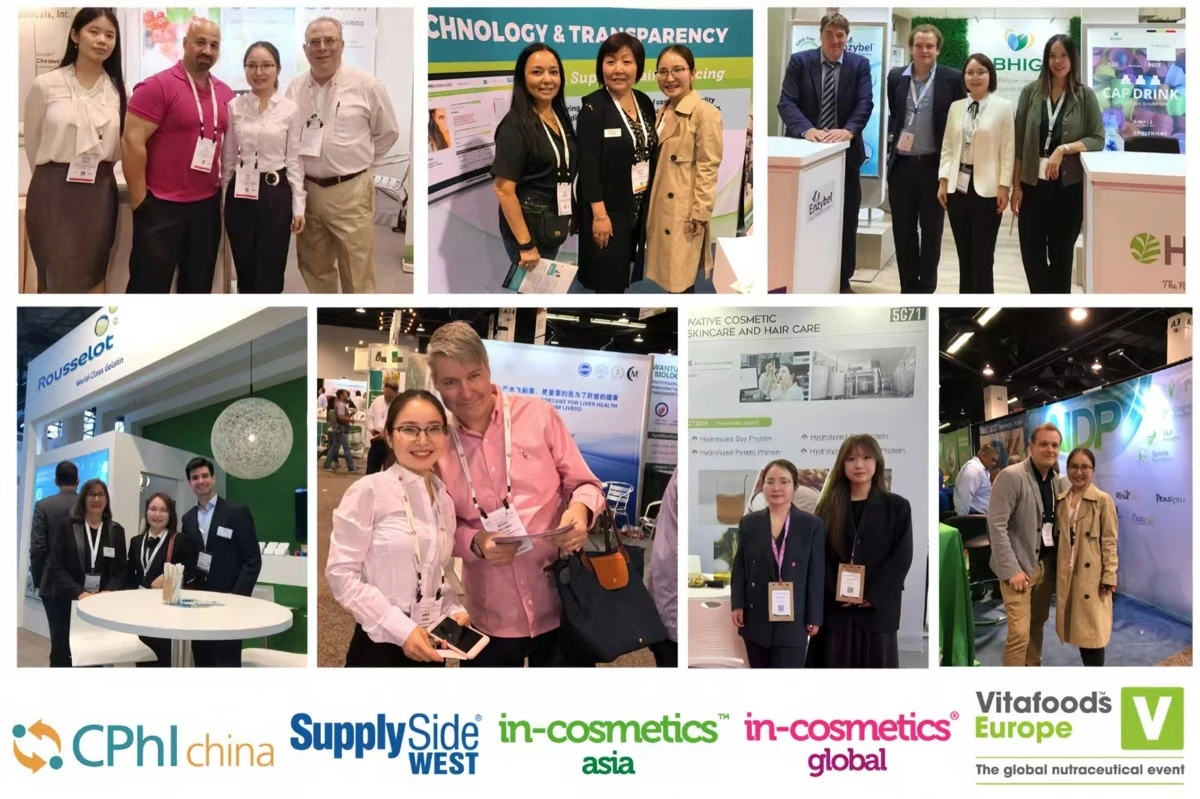
Our Exhibition
Our Certificates

Hot Tags: soy oligopeptide powder, China soy oligopeptide powder manufacturers, suppliers, factory, Taxifolin, HSPC, White Peony Root Extract, Tretinoin powder, Baicalein Powder, Coenzyme Q10 Bulk


