

Curcumin Powder, derived from the root of Curcuma longa, has rapidly transitioned from a traditional spice to a globally recognized functional ingredient across the health, food, and cosmetic industries. Its powerful antioxidant properties and excellent formulation versatility make it an increasingly attractive option for product developers seeking clean-label, plant-based solutions. Backed by a growing body of scientific evidence, curcumin is now seen not just as a supplement, but as a multifunctional bioactive compound with diverse commercial applications.
Why Is Curcumin in the Spotlight?
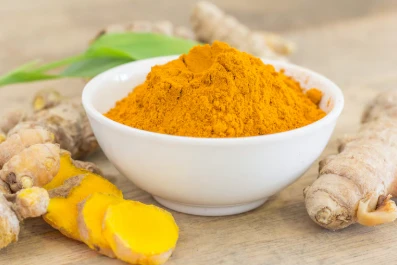 Turmeric Root Extract Curcumin has emerged as a focal point in the global wellness landscape, driven by a confluence of market dynamics, consumer preferences, and scientific advancements. Its ascent is emblematic of broader trends emphasizing natural health solutions and clean-label products.
The Expanding Natural Antioxidant Market
The global antioxidants market is experiencing robust growth, projected to reach USD 7.90 billion by 2034, with a compound annual growth rate (CAGR) of 6.80% from 2024 to 2034. This surge is fueled by increasing health consciousness among consumers, who are seeking functional foods, dietary supplements, and cosmetics enriched with natural antioxidants like curcumin. The demand for products with extended shelf lives, particularly in the food industry, further propels the use of antioxidants to prevent oxidation and maintain product quality .
Consumer Shift Towards Clean-Label and Plant-Based Ingredients
A significant driver of curcumin's popularity is the global shift towards clean-label products. Nearly 1 in 2 consumers globally have purchased more fresh, unprocessed foods over the past year, with a growing preference for products free from artificial additives and preservatives. This trend underscores a broader desire for transparency, health, and sustainability in product formulations. Curcumin, being a natural compound derived from turmeric, aligns seamlessly with these consumer expectations .
Rising Demand in Dietary Supplements and Food Industries
The dietary supplements sector has witnessed a notable increase in curcumin demand, attributed to its recognized health benefits. Curcumin's anti-inflammatory and antioxidant properties make it a sought-after ingredient in supplements aimed at promoting joint health, reducing muscle soreness, and supporting overall wellness. Additionally, the food industry is incorporating curcumin into various products to enhance nutritional profiles and cater to health-conscious consumers .
What Makes Curcumin Unique?
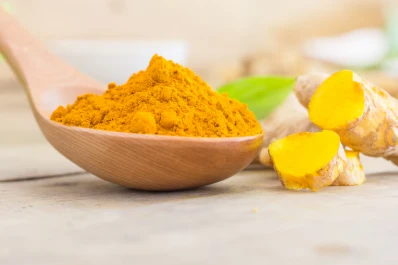 Curcumin Powder is not merely a compound; it's a vibrant thread woven through centuries of tradition, culture, and science. Derived from the rhizomes of Curcuma longa, a perennial herb in the ginger family, curcumin is the principal curcuminoid responsible for turmeric's distinctive golden hue. This plant thrives in the tropical climates of South Asia, with India being the predominant cultivator, producing nearly all of the world's turmeric supply and consuming 80% of it .
Botanical Roots and Cultural Significance
Turmeric's history dates back nearly 4000 years to the Vedic culture in India, where it was used as a culinary spice and held religious significance. It was revered in Ayurvedic and Unani systems of medicine for its health benefits. The Sanskrit language boasts over 50 names for turmeric, reflecting its esteemed status in Indian culture . Beyond India, turmeric made its way to China by 700 AD and East Africa by 800 AD, underscoring its widespread cultural importance.
Curcumin Content and Quality Standards
The potency of turmeric is largely attributed to its curcumin content, which varies based on geographical origin and cultivation practices. Typically, turmeric contains 2%–9% curcuminoids, with curcumin being the major component . High-quality turmeric, such as that from Erode in Tamil Nadu, India, is renowned for its superior curcumin concentration. Standardization is crucial, especially for dietary supplements, to ensure consistent curcumin levels and efficacy.(PMC)
Extraction Processes and Their Impact on Purity and Stability
Extracting curcumin from turmeric involves various methods, each influencing the purity and stability of the final product. Traditional solvent extraction using organic solvents like ethanol or methanol is common, but newer techniques such as ultrasound-assisted extraction and supercritical fluid extraction offer improved yields and environmental benefits . Post-extraction, purification processes like high-performance counter-current chromatography are employed to isolate curcumin with high purity levels, often exceeding 98% . These advanced methods not only enhance the quality of curcumin but also ensure its stability, making it suitable for various applications in the pharmaceutical and nutraceutical industries.(PMC, PMC, PubMed)
How Does Curcumin Deliver Value?
Curcumin Powder, though modest in appearance, operates with remarkable finesse at the molecular level. It's not the kind of ingredient that boasts loudly-yet it consistently demonstrates a quiet strength through its broad functional potential. From neutralizing free radicals to supporting a balanced immune response, curcumin weaves itself into wellness formulations with both versatility and subtlety.
Antioxidant Brilliance and Soothing Influence
There's something inherently elegant about the way curcumin interacts with oxidative stress. As a polyphenol, its molecular structure allows it to scavenge reactive oxygen species while also influencing the body's own antioxidant pathways, such as the Nrf2 signaling cascade . This duality-direct neutralization and indirect regulation-sets curcumin apart from many single-path antioxidants.
But its story doesn't stop there. Curcumin's ability to modulate cellular signaling lends it a soothing presence, particularly in the context of physiological discomfort caused by environmental stressors. It does not act as a blunt tool; rather, it fine-tunes responses with a kind of biochemical intelligence that synthetic compounds often lack. That's part of what makes it so intriguing in functional food and personal care applications alike.
Synergy with Supporting Ingredients
Curcumin is powerful on its own, but it becomes even more compelling in the company of allies-particularly piperine, the active component of black pepper extract. On its own, curcumin suffers from poor bioavailability, meaning that much of it is lost before it can be used effectively by the body. However, studies have shown that piperine can enhance curcumin's absorption by up to 2000% . That's not a typo-it's a dramatic improvement that has reshaped how curcumin is formulated in supplements.
But this is more than just a case of one compound helping another "get through the door." It's an example of strategic synergy, where two natural compounds work in concert not only to improve absorption but to reinforce each other's biological roles. It's nature's version of teamwork-smart, efficient, and remarkably effective.
Mechanisms Grounded in Science
The value of curcumin is not anecdotal; it's underpinned by a solid and expanding body of research. From in vitro studies to controlled human trials, researchers have traced curcumin's influence through various biochemical pathways. For instance, it has been shown to influence the expression of enzymes such as COX-2 and lipoxygenase, both involved in inflammatory signaling. Additionally, it modulates cytokine profiles and nuclear transcription factors, like NF-κB, which are central to immune balance.
What makes this particularly noteworthy is not just the breadth of its action-but the nuance. Curcumin doesn't switch systems on or off in crude ways. It calibrates. It adjusts. It appears to sense and respond to physiological needs with an almost adaptive precision. That kind of functionality is rare, especially in plant-derived compounds.
Where Can Curcumin Be Used?
Turmeric Root Extract Curcumin, with its golden hue and multifunctional profile, has moved far beyond its roots in traditional cuisine. Today, it's showing up in a range of commercial formulations, each one tapping into its vibrant color, botanical credibility, and bioactive appeal. Whether encapsulated in dietary supplements or swirled into plant-based lattes, curcumin is quietly taking center stage in wellness-oriented product innovation.
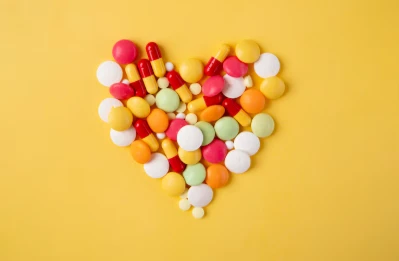 A Versatile Staple in Dietary Supplements
When it comes to curcumin's place in the supplement world, flexibility is the name of the game. It's not confined to one delivery system or format-instead, it adapts. Capsules remain the most straightforward and widely accepted option, offering precise dosages and clean-label appeal. For more dynamic brands looking to stand out, curcumin is also formulated into drink powders, effervescent tablets, and ready-to-mix sachets.
And it's not just about form-it's about how curcumin interacts within these systems. In powder blends, for instance, microencapsulation techniques are often used to stabilize curcumin and improve its dispersibility. The result? Products that are not only functional but enjoyable to consume, without the off-notes or clumping issues that sometimes plague botanical ingredients. It's science meeting sensory appeal-a balance more brands are chasing.
Food and Beverage Innovation: Bright Color, Subtle Strength
In the food and beverage sector, curcumin carries a dual identity: part functional additive, part natural pigment. You'll find it making quiet appearances in turmeric lattes (aka "golden milk"), turmeric-flavored plant-based drinks, protein bars, and health-focused confectionery. Its bright yellow tint offers visual appeal, but it's the functional narrative-rooted in tradition yet supported by modern science-that gives these products their edge.
There's also a growing trend of integrating curcumin into beverages designed for recovery, relaxation, or immune support. Think low-sugar drinks, adaptogen-infused shots, and even sparkling wellness tonics. In these spaces, curcumin doesn't just sit in the background. It becomes a storyteller-symbolizing a clean, plant-powered philosophy that resonates with modern consumers.
Interestingly, food formulators are now experimenting with lipid-based curcumin emulsions, which improve solubility in water-based drinks. This has opened the door to entirely new formats where curcumin was once thought impractical. It's no longer just for smoothies and teas-it's entering the cold-brew aisle and the sparkling beverage segment, too (Nelson et al., 2017).
Personal Care: More Than Just a Natural Dye
In skincare and personal care, curcumin has found yet another identity-as both a colorant and a bioactive agent. Its warm golden tone has made it an attractive natural alternative to synthetic dyes in creams, masks, and serums. But unlike conventional pigments, curcumin offers more than color: it brings a story, a function, and a botanical identity.
Some brands are using curcumin in calming facial treatments, highlighting its ability to support the skin barrier and soothe visible redness. Others focus on its antioxidant credentials, pairing it with green tea extract or centella asiatica for a botanical powerhouse blend. There's even growing interest in curcumin's role in scalp health products and deodorants, where its natural origin and perceived purity align with consumer expectations in the clean beauty space .
It's not flashy. It doesn't come with exaggerated claims. But that's exactly why it works. Curcumin fits naturally into the clean beauty narrative: subtle, plant-based, and purposeful.
Buy Turmeric Extract Curcumin
At its core, the value of curcumin lies in its quiet power-pure, potent, and remarkably versatile. Whether used to elevate a wellness shot's function, to brighten a skincare formula naturally, or to deliver standardized antioxidant benefits in a capsule, it adapts to the needs of the market without losing its identity. In a landscape that prizes clean labels, recognizable sourcing, and formulation flexibility, our turmeric root extract (CAS No. 458-37-7) checks every box. With a consistent USP 95% specification, brilliant yellow-orange hue, and stable organoleptic profile, it's become the go-to active for formulators who don't want to compromise on performance or story. When you're ready to bring something both recognizable and remarkable to your next product line, we're here to support you-start the conversation anytime via 📩 info@lenutra.com.
Turmeric Root Extract Curcumin from Xi'an Le-Nutra is more than an ingredient-it's a culmination of over a decade of botanical sourcing expertise, R&D know-how, and unwavering attention to quality. From vacuum-packed aluminum foil bags to full traceability documentation (COA, TDS, Non-GMO, Halal, ISO9001, ISO22000), every shipment reflects our commitment to transparency and precision. We've built our reputation across 10+ years of export experience, helping partners worldwide scale their formulations with customized solutions and technical reliability. Let's explore how we can make your curcumin formulations stand out !
References:
1. Hewlings, S. J., & Kalman, D. S. (2017). Curcumin: A review of its effects on human health. Foods, 6(10), 92.
2. Gupta, S. C., Patchva, S., & Aggarwal, B. B. (2013). Therapeutic roles of curcumin: lessons learned from clinical trials. The AAPS Journal, 15(1), 195–218.
3. Precedence Research. (2024). Antioxidants Market Size to Hit USD 7.90 Billion by 2034. Retrieved from https://www.precedenceresearch.com/antioxidants-market
4. Innova Market Insights. (2025). Global Clean Label Trends. Retrieved from https://www.innovamarketinsights.com/trends/global-clean-label-trends/
5. Global Growth Insights. (2024). Antioxidants Market | Global Industry Analysis 2033. Retrieved from https://www.globalgrowthinsights.com/market-reports/antioxidants-market-109480
6. Gupta, S. C., Patchva, S., & Aggarwal, B. B. (2013). Therapeutic roles of curcumin: lessons learned from clinical trials. The AAPS Journal, 15(1), 195-218.
7. Jurenka, J. S. (2009). Anti-inflammatory properties of curcumin, a major constituent of Curcuma longa: a review of preclinical and clinical research. Alternative Medicine Review, 14(2), 141-153.
8. Nelson, K. M., Dahlin, J. L., Bisson, J., Graham, J., Pauli, G. F., & Walters, M. A. (2017). The essential medicinal chemistry of curcumin: miniperspective. Journal of Medicinal Chemistry, 60(5), 1620-1637.
9. Menon, V. P., & Sudheer, A. R. (2007). Antioxidant and anti-inflammatory properties of curcumin. Advances in Experimental Medicine and Biology, 595, 105–125.
10. Shoba, G., Joy, D., Joseph, T., Majeed, M., Rajendran, R., & Srinivas, P. S. (1998). Influence of piperine on the pharmacokinetics of curcumin in animals and human volunteers. Planta Medica, 64(4), 353–356.
11. Hewlings, S. J., & Kalman, D. S. (2017). Curcumin: A review of its' effects on human health. Foods, 6(10), 92.
12. Nelson, K. M., Dahlin, J. L., Bisson, J., Graham, J., Pauli, G. F., & Walters, M. A. (2017). The essential medicinal chemistry of curcumin. Journal of Medicinal Chemistry, 60(5), 1620–1637.
13. Vaughn, A. R., Clark, A. K., Sivamani, R. K., & Shi, V. Y. (2016). Natural ingredients in Asian skincare: The ancient traditions and modern applications. International Journal of Dermatology, 55(2), 127–135.
14. Hewlings, S. J., & Kalman, D. S. (2017). Curcumin: A review of its' effects on human health. Foods, 6(10), 92.







