

Serrapeptase is made using modern biotechnological methods that transform bacterial cultures into enzymes that are safe for use in medicine. These methods are hard because they include cultivating Serratia marcescens in a controlled environment and then utilizing a number of purification techniques to make sure that the serrapeptase powder meets high quality standards. If health product brand owners and contract manufacturers know these difficult manufacturing specifics, they can make informed choices about where to get their materials and make sure their goods operate and meet the standards.
Overview of Serrapeptase Production: From Fermentation to Purification
The first step in making serrapeptase is to grow Serratia marcescens bacterium, which makes this proteolytic enzyme on its own. The quality and usefulness of the final product rely on a lot of important steps in the manufacturing process. Modern businesses use high-tech bioreactor systems to keep the air just right while the plants are growing.
Understanding the Enzymatic Properties
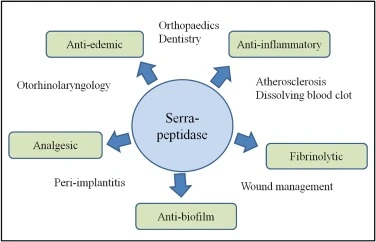
Serrapeptase is a great addition to nutraceuticals since it helps lower inflammation, alleviate pain, and enhance blood flow. The way the enzyme's molecules are organized may allow it to break down proteins that are implicated in inflammatory reactions. This makes it especially beneficial for vitamins that are meant to keep your heart and joints healthy. The Serrapeptase Units (SPU) measure the activity of the enzyme, which tells you how strong the product is. Between 200 and 2200 SPU/mg is the normal range. These varied concentrations let formulators make solutions that are specific to distinct medical demands and customer needs.
Production Scale Considerations
You need modern infrastructure that can keep things clean and make the most of the enzymes to generate serrapeptase on a wide scale. Production facilities need to strike a balance between quality control and productivity. They need to make sure that every batch meets the standards for pharmaceuticals and works the same way every time. The pricing and availability of contract manufacturing agreements are directly affected by how scalable fermentation processes are.
Detailed Fermentation Process of Serrapeptase Powder
The fermentation step is the most important part of making serrapeptase since it is where biological processes turn raw ingredients into active enzymes. This meticulously planned process requires perfect control over several environmental factors that affect the speed and quality of enzyme synthesis.
Microbial Cultivation Techniques
Serratia marcescens is cultivated in sterile bioreactors equipped with monitoring systems that measure temperature, pH, dissolved oxygen, and nutrient levels. When you choose a bacterial strain, you want one that makes a lot of enzymes and is stable throughout the fermentation cycle. Making nutritional media is a very crucial step in getting the most out of serrapeptase powder enzyme production. The optimum environment for bacteria to grow is one that has the right amounts of carbon sources, nitrogen compounds, minerals, and vitamins. This also makes it more probable that serrapeptase will be made. Temperature control normally maintains everything between 25 and 30 degrees Celsius and alters the pH levels to make sure that enzymes perform at their best.
Fermentation Monitoring and Control
Advanced monitoring systems continually keep an eye on the fermentation conditions to make sure that the enzyme production stays the same. Using automated sample processes, technicians may check the levels of enzyme activity at different points in the process. This lets them make changes on the fly to get the best yield. The fermentation process usually takes 48 to 72 hours, however this depends on the kind of bacteria and the number of enzymes needed. Quality control during fermentation means checking for contaminants, enzyme activity levels, and biomass density on a regular basis. These data let you change the process to maintain the best production conditions and avoid batch failures that might harm the quality of the supply.
Purification Techniques for High-Quality Serrapeptase Powder
The purification step uses advanced separation and concentration methods to turn fermented biomass into enzyme powder that is safe to use in medicines. This multi-step procedure gets rid of contaminants while keeping enzyme activity, which makes goods that fulfill strict quality standards for use in nutraceuticals.
Primary Separation Methods
The first stages in purification are to employ centrifugation and filtering to get rid of the bacterial biomass and save the supernatant that contains the enzyme. High-speed centrifuges remove cell detritus without damaging the structure of the enzyme. Membrane filtering systems make the solution more cleaner by getting rid of bigger particles and molecules that aren't required. Sonication or high-pressure homogenization may be used to break apart cells while enzymes are still within them. These approaches must strike a compromise between enzyme stability and extraction efficiency to ensure that the enzyme retains its functionality post-extraction.
Advanced Chromatographic Purification
Ion exchange chromatography is a crucial step in purification that separates serrapeptase based on its charge. This approach makes the enzyme solution exceedingly pure and thickens it for the following steps in the process. To acquire the greatest recovery and get rid of protein impurities, the column settings, such the kind of resin, the composition of the buffer, and the gradient profiles, are adjusted to their optimal values. When you require extremely high purity, you may employ affinity chromatography procedures. They employ specific binding interactions to pull serrapeptase away from other proteins. These innovative methods obtain the pharmaceutical-grade purity levels that are required for high-end nutraceutical formulations.
Drying and Stabilization Processes
In the last step of purification, liquid enzyme solutions are turned into stable powder forms that may be used to make supplements. Spray drying and lyophilization are the two most prevalent methods, and each has its own pros and cons for enzyme stability and solubility. Controlling the temperature during drying stops enzymes from breaking down and gets the right amount of moisture for long-term storage stability.
Quality Control and Standards in Serrapeptase Powder Production
Serrapeptase powder satisfies pharmaceutical standards for purity, potency, and safety thanks to thorough quality control procedures. These strict testing methods ensure that products are consistent and find any possible impurities that might make them less effective as medicine or unsafe for consumers.
Analytical Testing Requirements
Enzyme activity testing uses standardized tests to determine serrapeptase potency by measuring proteolytic activity. These measures usually provide findings in SPU per milligram, which gives formulators accurate information for figuring out how much to give. Purity analysis uses methods like high-performance liquid chromatography to find and measure protein impurities. Microbiological testing looks for harmful bacteria, yeast, and mold that might make people sick or make a product less stable. Heavy metal analysis makes sure that the levels of lead, mercury, cadmium, and arsenic are below the limits set by the government. Endotoxin testing makes sure that there are no bacterial toxins that might cause inflammation.
Regulatory Compliance Framework
Modern serrapeptase manufacturing facilities have certifications like ISO9001 for quality management systems and ISO22000 for food safety. Following Good Manufacturing Practices (GMP) makes sure that the cleanliness, paperwork, and quality control of the manufacturing process satisfy the requirements of the pharmaceutical business. Certificate of Analysis (COA) paperwork gives thorough test findings for each batch of manufacturing. This makes it possible to track the quality of the goods all the way through the supply chain. Technical Data Sheets (TDS) include full product specifications that help with making formulations and sending them to the government.
Procurement Considerations: Choosing the Right Serrapeptase Powder Supplier
Selecting an appropriate serrapeptase supplier requires careful evaluation of manufacturing capabilities, quality systems, and supply chain reliability. Health product brand owners must assess multiple factors that influence product quality and business partnership success.
Manufacturing Capability Assessment
Evaluating production capacity makes ensuring that providers can fulfill current and future volume needs while also meeting quality standards for serrapeptase powder. The level of complexity in fermentation technology has a direct influence on the quality and cost-effectiveness of products. Facilities that have sophisticated automation systems usually show better batch-to-batch repeatability. A supplier's quality system maturity shows how committed they are to keeping manufacturing standards the same. Companies that have been making natural ingredients for a long time frequently have the technological know-how to handle complicated enzyme production procedures.
Customization and Packaging Options
Brand owners may make items that are distinct from each other by changing the enzyme activity levels in the specifications. Suppliers who provide variable formulation assistance may meet specific needs while keeping costs down for small-batch manufacturing runs. Packaging solutions must keep enzymes stable while they are being stored and sent. For modest amounts, vacuum aluminum foil bags work well as moisture barriers. For larger amounts, fiber drums with double-layer poly bag liners may hold up to 25 kg. High-quality serrapeptase should look like a yellowish brown to brown powder, which means it was processed and stored correctly. If the color is outside of this range, it might mean that the product is not of good quality or that it was not handled properly during manufacture or storage.
Conclusion
The fermentation and purification steps that go into making serrapeptase are advanced biotechnological advances that make it possible to make high-quality enzyme supplements. Health product brand owners may make smart sourcing choices while making sure their products work and follow the rules by knowing how complicated the manufacturing process is. The final product's medicinal potential and economic feasibility depend on how well the fermentation conditions, purification methods, and quality control procedures are balanced. As the nutraceutical sector changes, it becomes more and more important for companies that want to make successful serrapeptase-based products that fulfill consumer expectations and regulatory criteria to work with experienced producers.
Partner with Le-Nutra for Premium Serrapeptase Powder Manufacturing
Le-Nutra specializes in contract manufacturing of pharmaceutical-grade serrapeptase powder using advanced fermentation and purification technologies. Our integrated production capabilities ensure consistent quality while offering flexible customization options for health product brands seeking reliable supply partnerships. With ISO9001 and ISO22000 certifications, we deliver products meeting the highest industry standards for purity and potency. Whether you require private label solutions, custom formulations, or bulk serrapeptase powder for sale, our experienced team provides comprehensive support from initial development through final delivery. Ready to enhance your product portfolio with premium serrapeptase ingredients? Contact us at info@lenutra.com to discuss your specific requirements and discover how our manufacturing expertise can accelerate your brand's success.
FAQ
Q1: How does fermentation temperature affect serrapeptase powder quality?
A: Fermentation temperature directly influences enzyme production rates and stability. Optimal temperatures between 25-30°C maximize enzyme yield while maintaining structural integrity. Temperature fluctuations can reduce enzyme activity and affect the final product's therapeutic effectiveness.
Q2: What purification methods ensure pharmaceutical-grade serrapeptase powder?
A: Pharmaceutical-grade quality requires multi-stage purification including centrifugation, membrane filtration, and chromatographic separation. These combined techniques remove impurities while preserving enzyme activity, resulting in products that meet stringent purity specifications for nutraceutical applications.
Q3: How can procurement managers verify serrapeptase powder quality from suppliers?
A: Quality verification involves reviewing Certificates of Analysis (COA), conducting facility audits, and requesting third-party testing results. Key parameters include enzyme activity levels (SPU), purity percentages, microbiological safety, and heavy metal content compliance with regulatory standards.
References:
1. Nakamura, S., Hashimoto, Y., & Mikami, M. (1988). Effect of the proteolytic enzyme serrapeptase on tissue repair. Arzneimittel-Forschung, 38(4), 421-424.
2. Majima, Y., Inagaki, M., Hirata, K., Takeuchi, K., Morishita, A., & Sakakura, Y. (2000). The effect of an orally administered proteolytic enzyme on the elasticity and viscosity of nasal mucus. Archives of Otorhinolaryngology, 257(3), 117-120.
3. Bhagat, S., Agarwal, M., & Roy, V. (2013). Serratiopeptidase: a systematic review of the existing evidence. International Journal of Surgery, 11(3), 209-217.
4. Viswanatha Swamy, A. H., & Patil, P. A. (2008). Effect of some clinically used proteolytic enzymes on inflammation in rats. Indian Journal of Pharmaceutical Sciences, 70(1), 114-117.
5. Moriya, N., Nakata, M., Nakamura, M., Takaoka, M., Iwasa, S., Kato, K., & Kakinuma, A. (1994). Intestinal absorption of serrapeptase (TSP) in rats. Biotechnology and Applied Biochemistry, 20(1), 101-108.
6. Tiwari, M. (2017). The role of serratiopeptidase in the resolution of inflammation. Asian Journal of Pharmaceutical Sciences, 12(3), 209-215.







