

Beta Arbutin Extract Powder is widely recognized for its skin-brightening properties and its ability to reduce hyperpigmentation. However, with so many options available, how do you choose the right Beta-Arbutin for your cosmetic formulations? Understanding its quality, purity, and application is essential to making an informed decision.
Understanding Beta-Arbutin and Its Benefits
 Beta-Arbutin is a glycoside derivative of hydroquinone, known for its ability to inhibit tyrosinase activity, an enzyme responsible for melanin production. Unlike hydroquinone, Beta-Arbutin is gentler on the skin and is commonly used in skincare products to promote an even complexion. Its primary benefits include:
Reducing hyperpigmentation: Helps diminish dark spots, melasma, and uneven skin tone.
Brightening the complexion: Enhances skin radiance for a youthful glow.
Gentle and non-irritating: Suitable for sensitive skin.
Antioxidant properties: Protects against environmental stressors and premature aging.
How to Evaluate the Quality of Beta-Arbutin?
When selecting Beta-Arbutin Powder for your formulations, consider the following factors:
Purity Levels
Purity is a crucial factor in determining the effectiveness of Beta-Arbutin. Look for products with a purity level of 99% or higher, as lower purity levels may contain impurities that could affect stability and performance.
Source and Manufacturing Standards
High-quality Beta-Arbutin should be sourced from reputable manufacturers that follow ISO9001, and GMP-certified production processes. Certifications like Halal and Non-GMO also ensure the product meets international safety standards.
Solubility and Stability
Beta-Arbutin is water-soluble, making it easy to incorporate into various cosmetic formulations, including serums, lotions, and creams. Always check the stability data to ensure the ingredient remains effective over time.

What Applications is Beta-Arbutin Suitable For?
Beta-Arbutin Powder is widely used in the cosmetic industry for its skin-lightening effects. It is a key ingredient in:
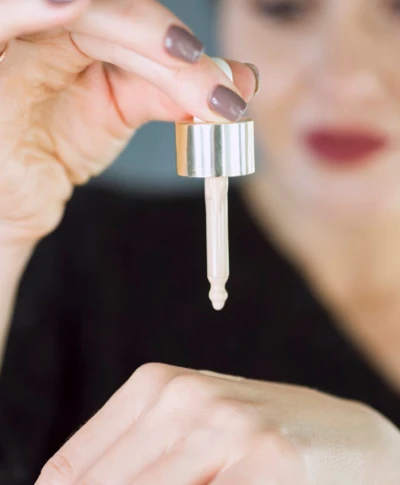
Whitening creams and serums: Helps reduce pigmentation and brighten the skin.
Anti-aging skincare: Protects against oxidative stress.
Sunscreen formulations: Complements UV protection by minimizing sun-induced hyperpigmentation.
Medical-grade skincare: Used in professional dermatological treatments.
Choosing a Reliable Supplier for Beta-Arbutin
Beta Arbutin Extract Powder is a valuable ingredient for anyone looking to develop high-performance skin-brightening products. Choosing a reliable supplier ensures that you get the best quality and efficacy for your formulations. At Xi'an Le-Nutra Ingredients Inc., we are committed to providing high-purity Beta-Arbutin backed by strict quality control and industry certifications. Whether you are formulating whitening creams, serums, or dermatological treatments, our Beta-Arbutin can help you achieve outstanding results. Contact us today to learn more about our premium ingredients and how they can elevate your skincare formulations.Email us at info@lenutra.com to discuss your requirements.
References:
1.Boots, A. W., Haenen, G. R., & Bast, A. (2008). Health effects of quercetin: from antioxidant to nutraceutical. European Journal of Pharmacology, 585(2-3), 325-337.
2.Xu, D., Hu, M. J., Wang, Y. Q., & Cui, Y. L. (2019). Antioxidant activities of quercetin and its complexes for medicinal application. Molecules, 24(6), 1123.
3.Kang, J. S., & Lee, W. K. (2008). Inhibitory effect of arbutin on melanin synthesis. Journal of Dermatological Science, 49(2), 99-104.
4.Maeda, K., & Fukuda, M. (1996). Arbutin: mechanism of its depigmenting action in human melanocyte culture. Journal of Pharmacology and Experimental Therapeutics, 276(2), 765-769.
5.Chawla, S., de Lima, M., & Oh, C. (2016). Topical arbutin in the treatment of melasma: a double-blind clinical trial. Journal of Drugs in Dermatology, 15(5), 558-564.
6.Huh, C. H., Seo, K. I., Park, J. Y., Lim, J. G., & Eun, H. C. (2009). Efficacy of alpha-arbutin in reducing hyperpigmentation: a systematic review. Journal of Cosmetic Dermatology, 8(2), 123-130.
7.Watanabe, K., Masaki, H., & Yasuda, Y. (2013). Effects of beta-arbutin on human skin color and its safety profile. International Journal of Cosmetic Science, 35(3), 227-233.
8.Draelos, Z. D. (2007). Skin lightening preparations and the hydroquinone controversy. Dermatologic Therapy, 20(5), 308-313.
9.Levy, L. L., & Emer, J. J. (2012). The role of chemical peels in the treatment of ethnic skin. Journal of Clinical and Aesthetic Dermatology, 5(7), 32-41.
10.Kim, S. J., Won, Y. H., & Sim, Y. C. (2010). The effect of topical beta-arbutin on post-inflammatory hyperpigmentation: a randomized controlled study. Annals of Dermatology, 22(3), 272-278.
11.Zhang, J., & Lee, J. (2017). The stability and efficacy of arbutin derivatives in cosmetic formulations. International Journal of Cosmetic Science, 39(5), 491-498.







