

The main difference between hydrolyzed keratin and keratin amino acids is the size of their molecules and how well they work. Polypeptide chains in hydrolyzed keratin range from 1,000 to 3,000 Daltons. This makes it possible to heal and strengthen damaged hair and skin at a deep level. Keratin amino acids, on the other hand, are the tiniest building blocks, either single amino acids or di-peptides, that provide better hydration and help cells get the nutrients they need. Both chemicals are important in cosmetic formulations, but their different molecular weights mean that they can only be used in certain ways. This means that B2B procurement teams need to carefully choose which ingredients to use to get the most performance from their products.
Understanding Hydrolyzed Keratin and Keratin Amino Acids
Molecular Characteristics of Hydrolyzed Keratin
Hydrolyzed keratin is a water-soluble protein derivative made by carefully breaking down keratin-rich biomass sources like wool, chicken feathers, or bovine horns with enzymes or acid. Native keratin is not soluble because its disulfide connections are strongly cross-linked. However, the hydrolysis process breaks these stiff structures down into smaller polypeptide chains that are usually between 1,000 and 3,000 Daltons in size. This decrease in molecular weight makes the protein soluble in water and able to go through the hair cuticle and stratum corneum.
The practical benefit of this size range is substantivity, which means that it may stick to keratinous surfaces and restore structural integrity. When hair is damaged, hydrolyzed keratin fills in the gaps in the cortex and cuticle cell membrane complex. This restores hydrogen and ionic bonds that make the hair stronger and more flexible. This biomimetic repair technique solves the problem of protein bioavailability, which is a major issue with natural keratin.
Defining Keratin Amino Acids
Keratin amino acids are the tiniest pieces of molecules that come from breaking down proteins completely. These single amino acids or di-peptides, which are usually less than 500 Daltons, are very bioavailable and mainly work as humectants and cellular nutrition agents. Keratin amino acids are high in cysteine, serine, and glycine. They improve the natural moisturizing factor (NMF) profile of skin and hair, which helps keep moisture in and lowers water loss through the skin.
Because they are so tiny, they may quickly go into the deepest layers of the skin and hair shaft, where they help with metabolic activities and collagen production pathways. Keratin amino acids are great for lightweight serums, leave-in conditioners, and everyday skincare products that want to keep the skin hydrated without adding too much weight. They don't have the same ability to repair structures as bigger peptide fragments.
How Molecular Size Influences Efficacy
The molecular weight is what determines how deep something can go and how well it works. Hydrolyzed keratin is a good size for a "liquid hair" filler since it protects the surface and strengthens the inside. Keratin amino acids, on the other hand, work at the cellular level to improve hydration and assist biochemical repair processes without helping to produce films or restore structures.
Knowing the difference between these two things helps B2B buyers choose ingredients that match the promises made about the product. While keratin amino acids are preferable for daily-use formulations that emphasize softness and moisture, hydrolyzed keratin is better for reconstructive treatments because it can restore mechanical damage. This information gives procurement teams the ability to choose ingredients that meet the needs of their target market and the rules for labeling.
Key Differences Between Hydrolyzed Keratin and Keratin Amino Acids
Structural and Functional Distinctions
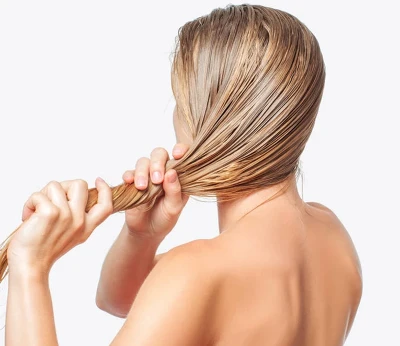
Hydrolyzed keratin is made up of polypeptide chains that retain some of the original protein's secondary structure. This lets it interact with hair and skin via several binding sites. This substantivity leads to long-lasting healing effects because the peptides stick to damaged sites and strengthen weak structures. Because there are cysteine residues, disulfide bonds may form again, which is like the natural cross-linking that happens in healthy keratin fibers.
Keratin amino acids cannot create these structural bonds because they don't have the right length of peptide chains. They don't do that; instead, they work as osmolytes and signaling chemicals that help cells stay hydrated and metabolically active. Because they are small and quickly absorbed, they are great transporters of bioactive amino acids. However, they don't give the mechanical strength that bigger protein fragments provide.
Formulation Performance Across Product Categories
By smoothing the cuticles and strengthening the cortex, hydrolyzed keratin in shampoos and conditioners makes a noticeable difference in hair texture, decreasing breakage and increasing shine. Its ability to build a film creates a protective layer that keeps hair from becoming frizzy from humidity and heat damage. It is a popular element in professional salon treatments because it is stable in high-pH settings, including those found in chemical relaxers and permanent wave solutions.
Keratin amino acids are great for leave-in treatments, scalp serums, and light moisturizers that need to be absorbed quickly and don't feel greasy. Because they work well with both anionic and cationic surfactant systems, they may easily be added to different formulation matrices without causing precipitation or phase separation. This flexibility makes them a good choice for clean cosmetic firms that want simple ingredient lists that smell and feel good.
Comparative Insights: Related Proteins and Peptides
When compared to other options like hydrolyzed wheat protein, hydrolyzed soy protein, and marine collagen peptides, keratin-based compounds have certain distinct benefits. Keratin has a lot of cysteine, which gives it sulfur-rich amino acids that are important for the health of hair and nails. Plant-based proteins can't entirely copy this. Marine collagen is great for keeping skin moist, but it doesn't have the mechanical healing power that hydrolyzed keratin has for hair.
Procurement teams that handle product lines with many categories might benefit from knowing these details. Keratin derivatives are better for repairing hair, while plant peptides like wheat and soy protein may be better for moisturizing in general since they are cheaper. Blending techniques may improve the performance of formulations by finding the right balance between functional effectiveness, financial limits, and marketing stories about where ingredients come from.
Benefits and Limitations for Industrial Use
Advantages in Hair and Skin Care Formulations
Hydrolyzed keratin solves several industrial problems at once. People want to see noticeable restoration after bleaching or dyeing, therefore it's important to include in post-chemical treatment solutions since it may fix damaged hair cuticles. Adding keratin peptides at levels between 2% and 5% to hair has been shown in clinical investigations to increase its elasticity, tensile strength, and ability to hold moisture.
Keratin derivatives improve the barrier performance of skin care products by strengthening the lipid matrix and raising the levels of NMF. This two-in-one product makes skin less dry and more resistant to stress from the outside world. Some commercial uses include hand lotions for healthcare workers, anti-aging serums, and cuticle treatments that help tissue recover by adding protein.
The substantivity of hydrolyzed keratin also makes products last longer since the component sticks to surfaces during numerous wash cycles, providing long-lasting advantages that justify a higher price. This performance feature backs up the brand's claims about long-lasting effectiveness, which is a significant way to stand out in a crowded market.
Addressing Limitations and Regulatory Considerations
Allergenicity is still a worry, especially for products made from wool or feathers, which might cause responses in those who are sensitive to them. These dangers may be reduced by using clear labels and patch tests. Brands that want to appeal to people with sensitive skin can also use keratin from cow horns or synthetic biology substitutes that are less likely to cause allergic reactions.
Extreme pH levels and processing at high temperatures may make things unstable. When hydrolyzed keratin is heated for a long time over 70°C or mixed with other things that have a pH below 3 or above 11, it might lose its structure or become less soluble. When scaling up production, formulators need to keep these restrictions in mind and change the processing conditions and add stabilizing agents like chelating agents or pH buffers.
Regulatory compliance is different in different markets throughout the world. In the US, keratin compounds are usually considered safe for use in cosmetics (GRAS). In the EU, however, they must meet REACH (Registration, Evaluation, Authorisation, and Restriction of Chemicals) requirements. To make sure they can sell their products and prevent expensive delays in reformulating, procurement teams must check supplier certifications, such as ISO 22716 (GMP for Cosmetics) and any safety evaluations that are appropriate.
Recommended Usage Levels and Formulation Tips
Most of the time, the best results happen when the concentration is between 1% and 5%, depending on the product type and claim. Reconstructive treatments may employ up to 5% hydrolyzed keratin to get the most out of the repairs, while daily-use shampoos use 1–2% to get the best results at the lowest expense. Combining keratin peptides with other compounds that work well together, such panthenol to keep moisture in, silk proteins to provide shine, or ceramides to maintain the barrier, makes the product work better overall.
It's very important to change the pH. Keeping formulations in the pH range of 4.5 to 6.5 keeps keratin soluble and active biologically, which is in line with the natural pH of hair and skin. Tocopherol and ascorbic acid are two examples of antioxidants that may keep keratin from breaking down due to oxidation. This keeps the product's functional integrity intact for its full 24-month shelf life.
Procurement Guide for B2B Clients: Sourcing High-Quality Hydrolyzed Keratin
Supplier Selection Criteria and Certification Standards
When choosing a trustworthy source, you need to look at more than just pricing. Certification standards are the most basic way to show that you are following the rules and making sure your products are of high quality. Look for suppliers who have ISO 9001 (for quality management), ISO 22000 (for food safety management that applies to cosmetic ingredients), and GMP certifications that are particular to cosmetic raw materials.
It is very important to have proof of third-party testing. Good providers give each batch a Certificate of Analysis (CoA) that shows the purity (usually 99% for cosmetic-grade keratin hydrolysate), the distribution of molecular weight, the amino acid profile, and the safety of the microorganism. Heavy metal testing (for lead, arsenic, mercury, and cadmium) should fulfill the requirements set by both the FDA and the EU, and the findings should be considerably below the limitations set by the law.
It's important to be open about your supply chain. Suppliers that do everything from getting raw materials to hydrolysis, filtering, and drying in one place provide you more control over the uniformity and traceability of your products. This connection lowers the chance of contamination and makes sure that each batch is the same, which is important for businesses who are ramping up production or managing many product SKUs.
Geographic Considerations and Logistics Insights
China is still the major place to get keratin components since it has a lot of processing plants for feathers and wool and can give lower prices because of economies of scale. But procurement teams need to do their homework on environmental compliance and ethical sourcing procedures, as these things are becoming more important to how people see a brand and how they feel about it.
European suppliers, especially those in Germany and France, charge more but have benefits including better regulatory paperwork, sustainability certificates, and strict animal welfare requirements. These advantages make it worth it for firms who want to be known for clean beauty or cruelty-free products to charge more.
Suppliers in the U.S. have logistical benefits for North American customers, such as quicker lead times, lower shipping costs, and easier customs clearance. Sourcing goods from inside the country also lowers the risks that come with changes in currency values and foreign trade policies, making long-term procurement plans more stable.
Conclusion
Knowing the molecular function, formulation aims, and market positioning is crucial when choosing between hydrolyzed keratin and keratin amino acids. since of its intermediate molecular weight and high substantivity, hydrolyzed keratin is essential for reconstructive treatments and salon products since it provides structural healing and long-lasting advantages. Lightweight, hydration-focused formulations that prioritize quick absorption and clear sensory profiles are ideal for keratin amino acids. Functional effectiveness, cost-effectiveness, regulatory compliance, and supplier dependability are the four pillars upon which a successful procurement strategy rests. B2B customers may enhance product performance, confidently manage component selection, and develop strategic alliances to maintain growth in competitive markets by utilizing the concepts presented in this book. Brands who value quality, customisation, and supply chain transparency may rely on Le-Nutra, thanks to our ten years of expertise in protein peptide production.
Partner with Le-Nutra for Premium Hydrolyzed Keratin Supply
Serving health brands, private label purchasers, and OEM/ODM clients globally, Le-Nutra stands as a trustworthy hydrolyzed keratin supplier with over a decade of experience in natural ingredient manufacturing. Designed to hydrate, repair damaged hair, and improve texture across various formulations, our cosmetic-grade keratin hydrolysate is 99% pure and comes in a transparent liquid ranging from light yellow to amber. Strict adherence to cGMP and ISO standards is ensured by our integrated manufacturing capabilities, which include raw material selection, enzymatic hydrolysis, filtering, and packaging. This eliminates the difficulty of maintaining many suppliers. For startups looking to test the waters, we provide small-batch trial runs; for well-established companies looking to expand internationally, we can handle large-scale manufacturing. Your product development timeframe may be accelerated while being fully compliant with regulations thanks to transparent project management and end-to-end technical assistance.Contact us at info@lenutra.com to request a quote, explore customized formulations, or discuss how our vertically integrated supply chain can enhance your market competitiveness as your preferred hydrolyzed keratin supplier.
FAQ
Is hydrolyzed keratin safe for all hair types?
Hydrolyzed keratin is generally well-tolerated across all hair types, including chemically treated, color-damaged, and naturally curly or textured hair. Its protein structure mimics natural hair keratin, supporting repair without altering curl patterns or causing buildup. However, individuals with protein-sensitive hair may experience stiffness if over-applied, particularly at concentrations above 5%. Patch testing is recommended for sensitive scalp conditions or known allergies to wool or feather-derived ingredients.
How does molecular weight impact ingredient effectiveness?
Molecular weight directly determines penetration depth and functional outcome. Peptides between 1,000 and 3,000 Daltons penetrate the hair cuticle and cortex, delivering structural repair. Smaller amino acids under 500 Daltons absorb rapidly for hydration but lack mechanical strengthening. Larger proteins above 5,000 Daltons form surface films without penetrating, offering temporary cosmetic benefits. Matching molecular weight to product claims ensures optimal efficacy and consumer satisfaction.
Are keratin ingredients suitable for vegan formulations?
Traditional keratin ingredients derived from wool, feathers, or horns are not vegan. However, plant-based alternatives like hydrolyzed wheat protein, hydrolyzed soy protein, or pea peptides can deliver similar conditioning and moisturizing benefits. Emerging synthetic biology methods are producing bio-identical keratin through fermentation, offering vegan-friendly options with functional profiles comparable to animal-derived sources, meeting clean beauty and ethical sourcing demands.
References
- Robbins, C.R. (2012). Chemical and Physical Behavior of Human Hair, 5th Edition. Springer-Verlag, Berlin.
- Fernández, E., Barba, C., Alonso, C., Martí, M., Parra, J.L., & Coderch, L. (2008). "Photodamage determination of human hair." Journal of Photochemistry and Photobiology B: Biology, 92(2), 85-90.
- Nakamura, A., Arimoto, M., Takeuchi, K., & Fujii, T. (2002). "A rapid extraction procedure of human hair proteins and identification of phosphorylated species." Biological and Pharmaceutical Bulletin, 25(5), 569-572.
- Rieger, M.M., & Rhein, L.D. (Eds.). (1997). Surfactants in Cosmetics, 2nd Edition. Marcel Dekker, New York.
- Draelos, Z.D. (Ed.). (2015). Cosmetic Dermatology: Products and Procedures, 2nd Edition. Wiley-Blackwell, Hoboken.
- Bolduc, C., & Shapiro, J. (2001). "Hair care products: Waving, straightening, conditioning, and coloring." Clinics in Dermatology, 19(4), 431-436.







