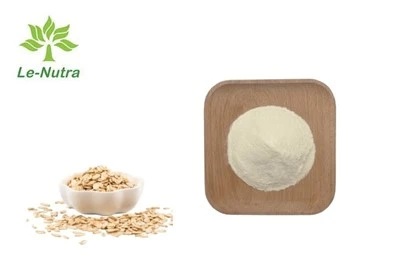
Oats have been utilized for centuries for their exceptional nutritional and therapeutic properties. In recent years, two oat derivatives have gained significant attention in the personal care industry: hydrolyzed oat protein and colloidal oatmeal. While both originate from the humble oat grain, they differ substantially in their processing methods, chemical composition, and applications. This comprehensive comparison examines these differences to help formulators, manufacturers, and consumers understand which oat derivative best suits their specific needs.
Definition & Processing
The fundamental differences between hydrolyzed oat protein and colloidal oatmeal begin with their definitions and how they are processed from raw oats.
Hydrolyzed Oat Protein is a specialized ingredient derived through a biochemical process focused on isolating and breaking down proteins found in oats. The production process typically follows these steps:
First, the protein fraction is extracted from oat grains through mechanical or chemical separation techniques that isolate protein content from other components like starches and fibers. Once isolated, these proteins undergo hydrolysis, a critical biochemical process where water molecules break peptide bonds in proteins, converting large protein molecules into smaller peptides and amino acids. This hydrolysis process can be accomplished through several methods: enzymatic hydrolysis (using specific enzymes that target peptide bonds), acid hydrolysis (using acidic conditions), or alkaline hydrolysis (using basic conditions). Enzymatic hydrolysis is generally preferred in modern processing as it offers greater control over the resulting peptide size and preserves the functional properties of the amino acids.
The final step involves purification and standardization, where the hydrolyzed protein undergoes filtration, spray drying, and quality control to ensure consistency in molecular weight distribution, solubility, and performance characteristics. The degree of hydrolysis can be carefully controlled to achieve specific molecular weights, typically ranging from 500 to 5000 Daltons, depending on the intended application.

Colloidal Oatmeal, in contrast, is produced through a process that preserves the whole oat grain structure while rendering it into a fine powder that forms a colloidal suspension when mixed with water. The production begins with carefully selected whole oat grains that undergo cleaning to remove impurities. Unlike hydrolyzed oat protein production, the entire oat kernel is utilized. These whole oats are then finely ground into a powder with a specific particle size distribution that allows for colloidal suspension formation. The FDA has established standards that colloidal oatmeal must meet specific fineness requirements, with particles passing through a 417-micron screen. This grinding process must be controlled to avoid excessive heat, which could degrade active components.
The key distinction in processing is that colloidal oatmeal maintains the structural integrity of all oat components, including starches, beta-glucans, proteins, lipids, and vitamins, rather than isolating and modifying specific fractions. It undergoes minimal chemical modification, focusing instead on physical size reduction while preserving the natural chemical composition of whole oats.
These fundamental differences in processing create two distinctly different ingredients. Hydrolyzed oat protein represents a refined, protein-focused extract with enhanced bioavailability through hydrolysis, while colloidal oatmeal offers the complete nutritional and functional profile of whole oats in a form that can form a protective colloidal suspension.
The processing distinction highlights the fundamental philosophical difference between these ingredients: hydrolyzed oat protein takes a reductionist approach by isolating and enhancing specific beneficial components, while colloidal oatmeal takes a holistic approach by preserving the natural balance of all oat constituents.
Chemical Composition
The chemical composition of hydrolyzed oat protein and colloidal oatmeal differs significantly due to their distinct processing methods, directly influencing their performance in various applications.
Hydrolyzed Oat Protein consists primarily of protein-derived components, with a composition that reflects its focused extraction and modification process:
The protein content typically ranges from 80% to 95%, significantly higher than the 10-15% protein content found in whole oats. This concentrated protein exists primarily as peptides and free amino acids rather than intact proteins. Amino acid analysis reveals a balanced profile including glutamic acid, aspartic acid, leucine, and proline, with the exact distribution varying based on hydrolysis conditions.
The molecular weight distribution plays a crucial role in determining functionality, with most commercial hydrolyzed oat protein products containing a spectrum of peptides. Smaller peptides (500-1500 Daltons) penetrate more deeply into hair and skin structures, while slightly larger peptides (1500-3000 Daltons) provide surface conditioning effects. Notably, hydrolyzed oat protein contains minimal carbohydrates, lipids, and fiber compared to colloidal oatmeal, as these components are largely removed during the protein isolation process. The specific processing methods also result in excellent water solubility, with hydrophilic peptides readily dissolving to form clear solutions.
Colloidal Oatmeal, by contrast, maintains the full chemical complexity of whole oats with a more balanced distribution of components:
The carbohydrate content dominates at approximately 60-75%, consisting primarily of starches and dietary fibers, including beta-glucans (typically 2-8%). These beta-glucans are particularly notable for their film-forming and moisture-binding properties. Protein content is relatively modest at 10-15%, with proteins remaining largely intact rather than hydrolyzed, thus retaining their native structure.
Colloidal oatmeal also contains 5-9% lipids, including triglycerides and phospholipids that contribute emollient properties. A significant advantage of colloidal oatmeal is its retention of various phytochemicals including avenanthramides (phenolic antioxidants unique to oats), flavonoids, sterols, and vitamin E. Additionally, minerals like magnesium, potassium, zinc, and trace elements remain present in their natural concentrations.
| Component | Hydrolyzed Oat Protein | Colloidal Oatmeal |
|---|---|---|
| Protein Content | 80-95% (as peptides and amino acids) | 10-15% (mostly intact proteins) |
| Carbohydrates | Minimal | 60-75% (starches and fibers) |
| Beta-glucans | Trace amounts | 2-8% |
| Lipids | Negligible | 5-9% |
| Avenanthramides | Minimal to none | Present |
| Molecular State | Hydrolyzed (smaller molecules) | Intact (native structure) |
These compositional differences directly translate to functional differences in applications. Hydrolyzed oat protein excels in functions requiring protein-specific benefits such as film formation on hair and nails, strengthening damaged keratin structures, and providing substantivity to proteins in skin and hair. Its smaller molecular size allows for deeper penetration and interaction with hair and skin proteins.
Colloidal oatmeal, with its broader spectrum of components, offers multifaceted benefits including moisture retention (via beta-glucans), skin soothing (via avenanthramides), barrier protection (via balanced lipids and proteins), and gentle cleansing (via saponins). Its broader range of active components provides a more holistic approach to skin and hair care. The chemical composition analysis reveals that neither ingredient is inherently superior-they simply serve different purposes based on their distinct compositional profiles. Understanding these differences allows formulators to select the appropriate ingredient based on the specific functional requirements of their formulations.
Solubility & Absorption
The practical application of both hydrolyzed oat protein and colloidal oatmeal in formulations is significantly influenced by their solubility characteristics and how they interact with target surfaces like skin and hair.
Hydrolyzed Oat Protein exhibits excellent water solubility, a direct result of the hydrolysis process that converts water-insoluble proteins into smaller, hydrophilic peptides and amino acids.
In water-based formulations, hydrolyzed oat protein typically dissolves completely to form clear solutions at concentrations up to 10%, depending on the specific hydrolysis degree. This high solubility makes it exceptionally versatile for incorporation into various product forms, including clear serums, light lotions, and transparent liquid formulations where optical clarity is desired. The solubility profile across pH ranges is particularly noteworthy, with oat protein maintaining good solubility across a relatively wide pH spectrum (approximately pH 3-9). This pH stability allows formulators flexibility in creating products with different pH requirements. Additionally, it demonstrates moderate compatibility with electrolytes and can maintain solubility in the presence of various salts, though extremely high electrolyte concentrations may affect stability.
When it comes to absorption and interaction with biological surfaces, hydrolyzed oat protein shows significant advantages due to its molecular size distribution. The smaller peptides, typically ranging from 500 to 3000 Daltons, can penetrate the outer layers of the skin and hair cuticle. Research utilizing fluorescently labeled peptides has demonstrated penetration into the stratum corneum and even deeper skin layers in some cases. This penetration capability enables oat protein to deliver functional benefits beyond surface conditioning.
Colloidal Oatmeal, by contrast, exhibits fundamentally different solubility behavior, forming a colloidal suspension rather than a true solution when dispersed in water.
When added to water, colloidal oatmeal forms a milky, opaque dispersion with particles remaining suspended rather than dissolved. This colloidal nature results from the combination of various oat components: starches absorb water and swell, beta-glucans form viscous hydrocolloids, and proteins and lipids contribute to the overall suspension stability.
The particle size of colloidal oatmeal significantly impacts its suspension behavior, with commercial products typically standardized to specific particle size distributions to ensure consistent performance. Regarding pH stability, colloidal oatmeal functions best in formulations with pH ranges between 5 and 8, with extreme pH values potentially affecting the stability of the colloidal system.
In terms of interaction with biological surfaces, colloidal oatmeal primarily functions at the surface level. The larger particles do not penetrate deeply but instead form a protective film on the surface of skin or hair. This film-forming ability is particularly beneficial for creating occlusive barriers that reduce transepidermal water loss and protect against external irritants.
Le-Nutra: Hydrolyzed Oat Protein Manufacturer
Le-Nutra stands as a premier hydrolyzed oat protein supplier in China, bringing over a decade of expertise in the natural ingredients industry to every product we offer. Our commitment to quality and innovation has established us as a trusted partner for formulators and manufacturers worldwide.
What sets our oat protein apart from others in the market:
- Customizable Molecular Weight Profiles: We understand that different applications require specific molecular weight distributions. Our advanced hydrolysis technology allows us to customize molecular weights to meet your precise formulation requirements, whether you need deeper penetration for hair care or specific film-forming properties for skin care.
- Superior Performance Advantages: Our oat protein offers exceptional solubility, making it compatible with a wide range of formulations. The low glycemic index (GI) makes it suitable for sensitive skin applications, while its easy digestibility ensures efficient absorption and utilization by hair and skin. Each batch is tested to confirm its rich nutritional profile containing essential amino acids beneficial for strengthening and conditioning.
- Industry-Leading Expertise: With over 10 years of specialized experience in natural ingredient development and manufacturing, our technical team provides unparalleled support throughout your product development process, from concept to commercial production.
Whether you're formulating advanced hair care treatments, professional skin care products, or innovative personal care solutions, our products deliver consistent performance with the technical specifications you need.
For detailed technical specifications, custom development inquiries, or to place an order, please contact our technical team at info@lenutra.com.
References:
- Johnson W, Bergfeld WF, Belsito DV, et al. (2018). "Safety Assessment of Hydrolyzed Wheat Protein and Hydrolyzed Wheat Gluten as Used in Cosmetics." International Journal of Toxicology, 37(1):55-66.
- Pazyar N, Yaghoobi R, Kazerouni A, Feily A. (2012). "Oatmeal in dermatology: a brief review." Indian Journal of Dermatology, Venereology, and Leprology, 78(2):142-145.
- Meydani M. (2009). "Potential health benefits of avenanthramides of oats." Nutrition Reviews, 67(12):731-735.
- Gorouhi F, Maibach HI. (2011). "Role of topical peptides in preventing or treating aged skin." International Journal of Cosmetic Science, 33(3):190-197.
- Piotrowicz A, Mellody J. (2019). "Hydrolyzed Proteins in Cosmetic Applications: Science, Applications, and Efficacy Evaluations." Journal of Cosmetic Science, 70(3):131-145.