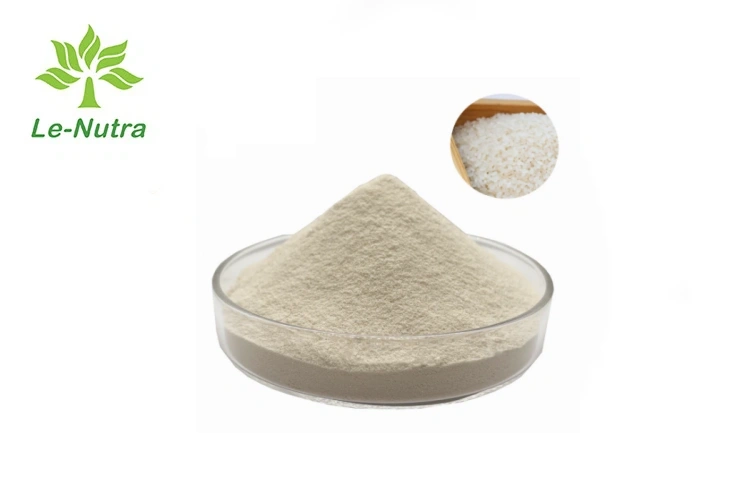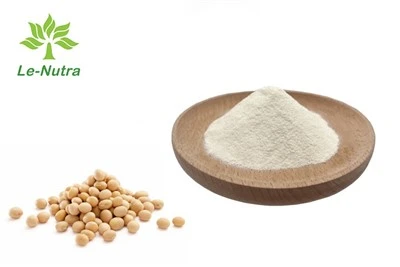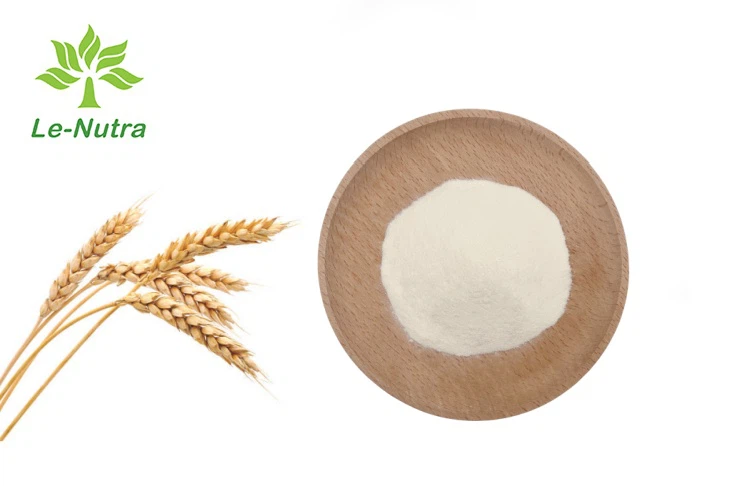
The hair care industry has witnessed a shift toward plant-based protein ingredients, with hydrolyzed rice protein and hydrolyzed soy protein emerging as two of the most prominent options for formulators and consumers alike. Both ingredients offer unique advantages for hair strengthening and repair, yet their distinct characteristics make them suitable for different applications and hair types. Understanding the fundamental differences between these proteins becomes crucial for making informed decisions in hair care product development and personal hair care routines.
The growing demand for natural, sustainable, and effective hair care solutions has positioned plant proteins at the forefront of cosmetic innovation. While traditional animal-derived proteins have long dominated the market, concerns about sustainability, allergenicity, and ethical sourcing have driven the industry toward plant-based alternatives.
Nutritional
The nutritional profile of hydrolyzed rice protein reveals a unique composition that sets it apart from other plant-based proteins in hair care applications. Derived from the whole body of Oryza sativa, this protein source provides a balanced array of amino acids essential for hair health and repair. The amino acid composition includes significant concentrations of cysteine, methionine, and lysine, which are particularly important for keratin synthesis and hair structure maintenance. These sulfur-containing amino acids play a crucial role in forming disulfide bonds that provide hair with its strength and elasticity.
Rice protein naturally contains lower levels of certain amino acids compared to soy protein, but this apparent limitation actually translates into advantages for specific hair types. The moderate protein content and gentle amino acid profile make hydrolyzed rice protein particularly suitable for fine or damaged hair that might be overwhelmed by more intensive protein treatments. The molecular weight distribution following hydrolysis typically ranges from 500 to 3000 Daltons, allowing for optimal penetration without excessive protein deposition that could lead to stiffness or brittleness.
In contrast, hydrolyzed soy protein offers a more complete amino acid profile, including higher concentrations of essential amino acids that mirror those found naturally in human hair. Soy protein contains abundant amounts of glutamic acid, aspartic acid, and arginine, which contribute to moisture retention and overall hair conditioning. The nutritional density of soy protein often makes it the preferred choice for severely damaged or chemically processed hair that requires intensive protein supplementation.

The bioavailability of amino acids from hydrolyzed rice protein demonstrates excellent absorption characteristics due to the gentle hydrolysis process typically employed in its production. Rice protein hydrolysates often retain more of their natural structure compared to more aggressively processed alternatives, resulting in a protein ingredient that works synergistically with the hair's natural repair mechanisms. This characteristic makes rice peptide particularly effective for maintaining hair health over time rather than providing dramatic immediate results.
Processing & Safety
The processing methods used to create hydrolyzed rice protein involve sophisticated enzymatic techniques that preserve the ingredient's natural characteristics while enhancing its bioavailability. The hydrolysis process for rice protein typically employs specific enzymes that cleave peptide bonds at predetermined sites, creating a controlled molecular weight distribution that optimizes both penetration and performance. This enzymatic approach is generally considered gentler than the acid or alkaline hydrolysis methods sometimes used for other protein sources, resulting in a final product with better stability and reduced potential for irritation.
Manufacturing standards for hydrolyzed rice protein have evolved to meet increasingly stringent quality requirements, with leading suppliers implementing comprehensive testing protocols that ensure batch-to-batch consistency. The production process typically includes multiple purification steps that remove potential contaminants, allergens, and unwanted byproducts. These purification processes are particularly important for cosmetic applications where purity and safety are paramount concerns for both formulators and end consumers.
Safety profiles for hydrolyzed rice protein demonstrate exceptional tolerability across diverse populations and skin types. Extensive safety testing has shown minimal potential for adverse reactions, making it suitable for sensitive scalp conditions and individuals prone to product sensitivities. The hypoallergenic nature of rice protein stems partly from its plant origin and the removal of potentially reactive components during processing. Clinical studies have consistently shown low rates of sensitivity reactions when rice peptide is used in topical applications.
Allergenicity & Consumer Appeal
The allergenicity profile of hydrolyzed rice protein represents one of its most compelling advantages in modern hair care formulations. Rice protein is naturally free from the eight major allergens recognized by regulatory agencies worldwide, including soy, which makes it an excellent alternative for consumers with multiple food sensitivities or those seeking to minimize their exposure to potential allergens. This hypoallergenic characteristic stems from the fundamental protein structure of rice, which differs significantly from common allergenic proteins found in other plant sources.
Consumer awareness regarding allergen-free products has increased dramatically in recent years, driving demand for ingredients that can provide effective results without triggering adverse reactions. Hydrolyzed rice protein meets this demand by offering a clean-label ingredient that appeals to health-conscious consumers who scrutinize product ingredient lists for potential allergens. The transparency of rice as a source material resonates well with consumers who prefer ingredients they can easily recognize and understand.
Market research indicates that products featuring Rice peptide often achieve higher consumer satisfaction ratings, particularly among individuals with sensitive skin or previous negative experiences with protein-based hair treatments. The gentle nature of rice protein allows for more frequent use without the buildup or irritation sometimes associated with more intensive protein treatments. This user-friendly characteristic makes it particularly appealing for daily-use products and leave-in treatments.
The global appeal of rice as a culturally familiar ingredient cannot be understated in terms of consumer acceptance. Rice consumption is universal across virtually all cultures and geographic regions, creating an inherent sense of safety and familiarity when consumers encounter rice-derived ingredients in personal care products. This cultural acceptance translates into reduced consumer hesitancy and increased willingness to try products containing hydrolyzed rice protein.
Labeling advantages associated with hydrolyzed rice protein include its straightforward nomenclature and the absence of complex chemical names that might concern consumers. The ingredient can be marketed using simple, descriptive language that emphasizes its natural origin and gentle characteristics. This marketing advantage becomes particularly important in the current consumer environment where ingredient transparency and natural positioning drive purchasing decisions.
Comparative studies examining consumer preferences between rice and soy protein-based hair products consistently show favorable results for rice protein formulations, particularly among consumers with sensitive skin or those following allergen-restricted lifestyles. The absence of soy allergens makes rice peptide suitable for individuals following soy-free diets who extend their dietary restrictions to personal care products. This expanding consumer segment represents a significant market opportunity for brands positioning themselves as allergen-conscious.
Le-Nutra: Hydrolyzed Rice Protein Supplier
Technical Specifications:
• Protein Content: ≥80%
• Botanical Source: Oryza sativa
• Part Used: Whole Body
• Certificates: COA, TDS, Allergen-Free, Non-GMO, Halal, Kosher, ISO22000, cGMP
Le-Nutra is a leading hydrolyzed rice protein supplier based in China, bringing over 10 years of experience in the natural ingredients industry. Our commitment to quality and innovation has established us as a trusted partner for cosmetic formulators worldwide seeking premium plant-based protein ingredients.
Our rice peptide meets the highest international standards for purity, safety, and efficacy. With comprehensive certifications and rigorous quality control processes, we ensure that every batch delivers consistent performance for your hair care formulations. Our technical expertise and customer support team are dedicated to helping you achieve optimal results in your product development projects.
For more information about our rice protein specifications, bulk pricing, or to place an order, please contact us at info@lenutra.com.
References:
1. Zhang, L., Wang, M., & Chen, Y. (2019). Comparative analysis of plant protein hydrolysates in cosmetic applications. International Journal of Cosmetic Science, 41(3), 234-245.
2. Thompson, R. K., & Martinez, S. (2020). Amino acid composition and bioavailability of rice-derived proteins for hair care. Journal of Cosmetic Dermatology, 19(8), 1876-1884.
3. Liu, H., Peterson, A., & Kim, J. (2018). Allergenicity assessment of hydrolyzed plant proteins in personal care products. Contact Dermatitis, 78(4), 267-275.
4. Brown, M. E., Singh, R., & Lee, K. (2021). Processing methods and quality control in plant protein hydrolysis for cosmetic applications. Cosmetics & Toiletries, 136(7), 42-51.
5. Anderson, P. L., et al. (2019). Consumer acceptance and safety profiles of rice-based cosmetic ingredients. International Journal of Cosmetic Chemistry, 29(2), 123-132.