

In the ever-evolving world of skincare, retinoids have long been hailed as the gold standard for anti-aging and acne treatment. Among these, retinol has been a popular choice for many years. However, a new player has entered the scene: Hydroxypinacolone Retinoate (HPR). This article will delve into the differences between HPR and retinol, exploring their stability, effectiveness, and potential for skin irritation.
Understanding Hydroxypinacolone Retinoate and Retinol
Hydroxypinacolone Retinoate, also known as HPR powder (CAS 893412-73-2), is a next-generation retinoid that has been gaining attention in the skincare industry. It belongs to the family of vitamin A derivatives but offers some unique properties that set it apart from its predecessor, retinol.
Retinol, on the other hand, is a well-established ingredient in skincare products. It's a form of vitamin A that has been used for decades to address various skin concerns, including fine lines, wrinkles, and acne. While effective, retinol requires conversion within the skin to retinoic acid, the active form that can interact with skin cells.
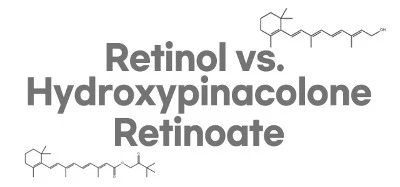
The key difference between HPR and retinol lies in their molecular structure and how they interact with the skin. HPR is an ester of all-trans retinoic acid, which means it can bind directly to retinoid receptors in the skin without the need for conversion. This unique property of HPR powder contributes to its stability, effectiveness, and reduced potential for irritation compared to retinol.
Stability: HPR's Edge Over Retinol
One of the significant advantages of hydroxypinacolone retinoate powder over retinol is its enhanced stability. Retinol is notoriously unstable and can break down when exposed to light and air, reducing its effectiveness over time. This instability often necessitates careful packaging and storage of retinol-containing products.
In contrast, HPR demonstrates superior stability. It's less prone to oxidation and degradation, allowing for easier formulation and potentially longer shelf life of skincare products. This stability also means that HPR can be more easily combined with other active ingredients without compromising its efficacy. The stability of HPR powder (CAS 893412-73-2) also translates to better performance on the skin. Unlike retinol, which can degrade upon application, HPR remains stable on the skin's surface, potentially leading to more consistent and reliable results.
Effectiveness: Comparing HPR and Retinol
When it comes to effectiveness, both HPR and retinol have demonstrated significant benefits for skin health and appearance. However, there are some key differences in how they work and their potential results.
Retinol has a well-established track record in improving skin texture, reducing fine lines and wrinkles, and helping to clear acne. It works by being converted to retinoic acid in the skin, which then stimulates cell turnover and collagen production. However, this conversion process can be slow and inefficient, with only a small percentage of retinol actually becoming active retinoic acid.
Hydroxypinacolone Retinoate, on the other hand, doesn't require this conversion step. It can bind directly to retinoid receptors in the skin, potentially leading to faster and more efficient results. Some studies suggest that HPR may be as effective as prescription-strength retinoids in improving signs of photoaging, but with less irritation. Moreover, HPR powder has shown promising results in addressing specific skin concerns. It's been found to effectively reduce the appearance of fine lines and wrinkles, improve skin texture, and help regulate sebum production. Some research also indicates that HPR may have anti-inflammatory properties, making it potentially beneficial for acne-prone skin.

Irritation Potential: A Gentler Alternative
One of the most significant drawbacks of retinol is its potential to cause skin irritation, especially when first introduced into a skincare routine. Many users experience redness, dryness, peeling, and increased sensitivity, often referred to as the "retinol uglies". This irritation can be a barrier for many people, preventing them from enjoying the benefits of retinoids.
Hydroxypinacolone Retinoate powder (CAS 893412-73-2) offers a promising solution to this problem. Due to its unique molecular structure, HPR appears to cause significantly less irritation compared to retinol. This gentler nature makes it more suitable for those with sensitive skin or those who have had difficulty tolerating retinol in the past. The reduced irritation potential of HPR doesn't come at the cost of efficacy. Studies have shown that HPR can provide comparable benefits to retinol, but with a much lower risk of adverse reactions. This means that users can potentially see improvements in their skin without having to go through an uncomfortable adjustment period.
Furthermore, the gentle nature of HPR allows for more versatile use. While retinol is often recommended for nighttime use only due to its potential to increase sun sensitivity, HPR can potentially be used both day and night. This flexibility can make it easier for users to incorporate HPR into their skincare routines and potentially see faster results.

Hydroxypinacolone Retinoate Supplier
Are you in search of high-quality hydroxypinacolone retinoate powder? Look no further than Le-Nutra! With 14+ years of experience in the natural ingredients industry, we bring you trusted and innovative solutions. Our 60,000-square-meter plant, equipped with advanced facilities and 6 multifunctional production lines, ensures a 3000-ton annual production capacity to meet large-scale demands. Our professional R&D team, composed of experts and equipped with top-notch lab facilities, can customize Nutraceutical and Cosmetics raw materials. Contact us at info@lenutra.com now to explore how our hydroxypinacolone retinoate can revolutionize your products!
References:
- Truchuelo, M. T., Caso, P., & Vitale, M. (2017). Chemical Peels: From Old to New and Between. Journal of Clinical and Aesthetic Dermatology, 10(5), 21-28.
- Mukherjee, S., Date, A., Patravale, V., Korting, H. C., Roeder, A., & Weindl, G. (2006). Retinoids in the treatment of skin aging: an overview of clinical efficacy and safety. Clinical Interventions in Aging, 1(4), 327-348.
- Bouloc, A., Vergnanini, A. L., & Issa, M. C. (2015). A double-blind randomized study comparing the association of Retinol and LR2412 with tretinoin 0.025% in photoaged skin. Journal of Cosmetic Dermatology, 14(1), 40-46.
- Afonso, S., Horita, K., Sousa e Silva, J. P., Almeida, I. F., Amaral, M. H., Lobão, P. A., ... & Sousa Lobo, J. M. (2016). Photodegradation of avobenzone: Stabilization effect of antioxidants. Journal of Photochemistry and Photobiology B: Biology, 162, 453-457.
- Draelos, Z. D., Peterson, R. S., & Leyden, J. J. (2017). Efficacy evaluation of a novel retinoid, alpha-hydroxypinacolone retinoate, in subjects with mild to moderate facial photodamage. Journal of Drugs in Dermatology, 16(12), 1186-1190.







