It is fair to say that hydrolyzed corn protein is good for you to eat. Bioavailable amino acids are produced by enzymatic degradation of this plant-derived substance, which goes by a few names: maize peptide, corn oligopeptide, and so on. These amino acids have better absorption than regular proteins. Hydrolyzed corn protein is a great alternative for formulations that are health-conscious since it has over 80% protein content and immune support advantages. It also has outstanding safety ratings for use in food, cosmetic, and pharmaceutical applications.
Understanding Hydrolyzed Corn Protein
A protein derivative known as hydrolyzed corn protein is produced by hydrolyzing maize protein into smaller peptides and amino acids. A by-product of starch purification or brewing industry activities involving maize kernels, corn protein powder is the starting point for the manufacturing process. Controlled breakdown of the protein structure into small-molecule peptide segments and free amino acids is achieved using acid-based or particular enzymatic hydrolysis techniques.
Production Process and Chemical Composition
Corn hydrolyzes into more accessible components with improved nutritional value, simplifying the process of protein hydrolysis. These small-molecule peptides have remarkable bioavailability rates and fast absorption, in contrast to conventional proteins that need thorough digestion. Better protein synthesis efficiency and more balanced amino acid intake are outcomes of the novel transport mechanism, which removes carrier rivalry and avoids amino acid transport antagonism. Ensuring consistent quality for varied uses, the final product criteria often include a protein concentration of 80% or greater. Zea mays, a plant, is an abundant and sustainable source of raw materials that may sustainably support large-scale manufacturing while still being cost-effective for business-to-business procurement techniques.
Safety and Allergen Considerations
Hydrolyzed corn protein satisfies regulatory requirements for use in food and personal care products, according to safety assessments. Suitable for delicate formulations, the hydrolysis procedure removes possible allergens often found in intact corn proteins. Companies making goods for those with food allergies or sensitivities may appreciate this ingredient's hypoallergenic qualities. Having a solid understanding of these basics helps procurement teams choose ingredients that are of the highest quality and comply with all relevant standards. The nutritious content and consistent quality of this material are guaranteed throughout several industrial sectors since it is manufactured without compromising its integrity.
Health Benefits and Applications of Hydrolyzed Corn Protein
The food and personal care sectors may benefit greatly from hydrolyzed maize protein due to its enhanced digestion and bioavailability. Nutritional items benefit from the ingredient's strong absorption capacities, which increase product performance and customer appeal.
Nutritional and Functional Benefits
Because of its antioxidant and immune-enhancing characteristics, the protein might be a fantastic addition to health-focused formulations. These things may have anti-Helicobacter pylori characteristics, according to new study, which may lead to further applications in digestive health products. This supplement aids several metabolic processes, is rapidly accessible, and is gentle on the digestive tract because of its small molecular structure and balanced amino acid makeup. If you want your nutrients absorbed quickly or have gastrointestinal issues, hydrolyzed corn protein is a great choice. The ingredient's ability to boost cellular metabolism and capillary microcirculation makes it a great fit for health-promoting dietary supplement formulations.
Applications Across Industries
Hydrolyzed corn protein may be used in a variety of industries because to its adaptability.
• Functional beverages and sports nutrition: the quick absorption properties help with recovery and performance formulations, making amino acids available for muscle protein synthesis right away.
•Using peptides that promote cell regeneration and collagen bonding, this ingredient helps moisturize skin, repair damaged regions, and strengthen hair in personal and cosmetic care products.
• In the pharmaceutical industry, there is potential for new dietary supplements and medical items that support digestive health, particularly those that address Helicobacter pylori-related problems.
These many uses highlight the ingredient's versatility across several product categories, all of which have comparable performance characteristics. Manufacturers will have alternatives for procurement, boosting trust in ingredient suppliers, and the market demand will remain stable due to the vast diversity of applications. This section addresses the problems of allergenicity, possible harmful effects, and regulatory compliance so that B2B clients may utilize hydrolyzed corn protein in their products without causing customer trust issues or noncompliance.
Comparing Hydrolyzed Corn Protein with Other Proteins
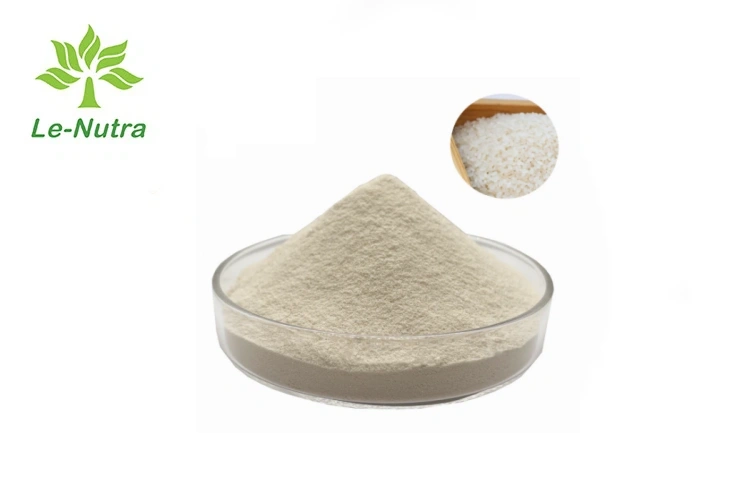
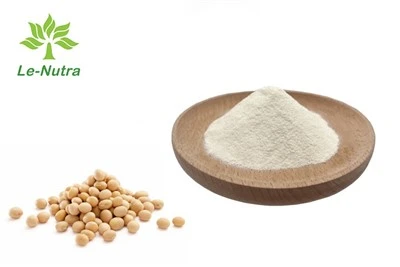
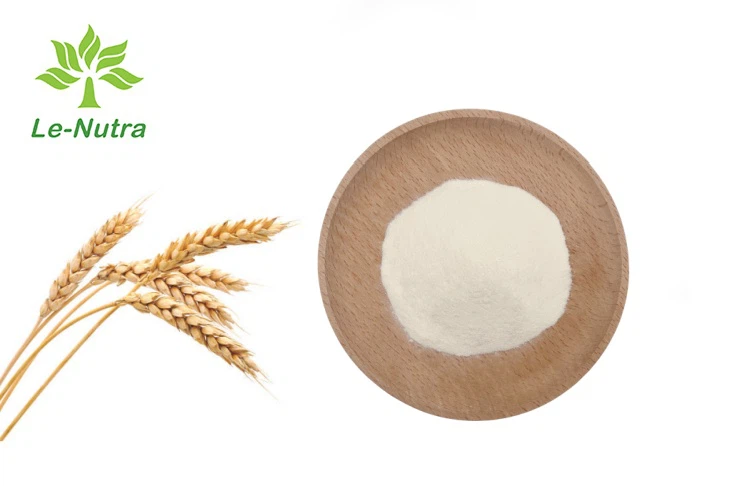
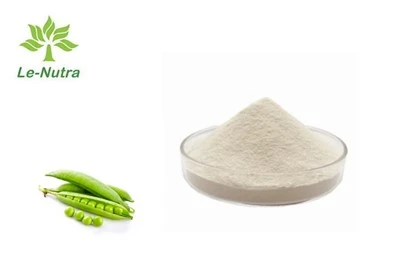
Hydrolyzed corn protein must be contrasted with other possibilities, such as hydrolyzed wheat, soy, and rice proteins, when procurement experts are assessing ingredient selections. Market positioning, pricing, and formulation are all affected by the specific properties of the various protein sources.
Allergenic Potential and Dietary Compatibility
The allergenicity of hydrolyzed maize protein is much lower than that of hydrolyzed wheat and soy proteins. When compared to wheat or soy proteins, which may cause reactions in certain people because to the gluten they contain, maize proteins are more often tolerated by dieters. Manufacturers may capitalise on this benefit by creating inclusive products that meet the needs of customers with diverse dietary choices and limitations. The ingredient's plant-based nature appeals to the growing vegan and vegetarian market while avoiding common allergens. Proteins extracted from rice and corn are both hypoallergenic, although hydrolyzed corn proteins often exhibit better absorption characteristics and amino acid balance.
Nutrient Profiles and Functional Properties
Distinct variations in dietary composition and functional performance are shown by comparative analysis. The 80% protein level of hydrolyzed maize protein makes it a competitive supply, and the unique peptide structures it provides increase absorption. Optimal absorption conditions are produced by the molecular weight distribution after hydrolysis, which outperforms several competing substances. Because of the widespread availability of the raw materials and the well-established processing infrastructure, maize protein is favored when considering cost-effectiveness. When compared to more perishable alternatives, this ingredient offers significant procurement benefits due to its stability qualities and prolonged shelf life of 24 months.
Sourcing Sustainability and Market Positioning
More and more people are looking for environmentally friendly items, and the difference between organic and non-organic sourcing helps meet that need. In terms of water use and land needs, the environmental effect of corn cultivation is typically better than that of soy production. Supply chains and price structures are kept constant by the global commodity crop maize's abundance. With the use of these comparison information, producers may improve formulations in highly competitive global sectors by balancing cost, functionality, and market placement. Companies looking to simplify their ingredient portfolios without sacrificing product performance criteria may strategically benefit from the component's adaptability across applications.
Why Choose Le-Nutra's Hydrolyzed Corn Protein Solutions?
Le-Nutra meets the changing demands of B2B customers throughout the world who are looking for dependable ingredient partners by producing hydrolyzed corn protein in an environmentally conscious and quality-driven manner. Through stringent quality control and environmentally responsible production procedures, we guarantee consistently excellent protein peptides based on our profound knowledge gained over a decade of experience in the natural ingredients sector.
Quality Assurance and Manufacturing Excellence
By doing everything in-house, from sourcing raw materials to shipping completed goods, we reduce the hassle and uncertainty of dealing with different vendors. Our customers see a marked decrease in product quality and regulatory risks as a result of our vertical integration, which minimizes costs while ensuring strict adherence to cGMP and ISO standards. Quickening product development times while guaranteeing complete regulatory compliance are the end-to-end services that are offered. A protein concentration of more than 80%, derived from high-quality Zea mays corn protein powder, is one of the requirements for our hydrolyzed corn protein. Bioavailability and functional performance are both optimized by the controlled hydrolysis process, which yields molecular weight distributions that are consistent across all applications.
Tailored Services and Customer Support
Le-Nutra's versatile production capabilities allow for personalized services to meet the demands of a wide range of clients:
• Options for Scalable manufacturing: We facilitate growth at every step of a company's lifecycle by supporting both small-batch trial runs for emerging brands and large-scale manufacturing for established enterprises.
• To ensure that our customers are able to effectively incorporate our components into their products, our knowledgeable staff offers formulation advice, application support, and regulatory assistance.
• Our vertically integrated supply chain optimizes the flow of goods from manufacturer to consumer, cutting down on wasteful spending and increasing our companies' competitiveness in the market.
•Supporting regulatory filings and quality assurance needs, thorough testing and certification documentation is provided.
For customers in need of high-quality ingredients, these all-inclusive services cater to the specific needs of health food brand owners, startup health brands, private label buyers, ODM buyers, and OEM clients.
Case studies of successful products in the food supplement, cosmetic, and pharmaceutical sectors show that these products work as advertised in a variety of settings. Ensuring customers retain full supervision of their orders from first inquiry through final delivery, our transparent project management methodology delivers real-time insight into production processes.
Conclusion
As a healthful, adaptable, and economically feasible ingredient, hydrolyzed corn protein is a boon to B2B procurement experts in a wide range of sectors. Superior bioavailability, immune support functions, and outstanding safety profiles that meet different application needs are just a few of the evident health advantages shown by the research. Customers are looking for sustainable and allergy-friendly goods that don't break the bank, and this ingredient's plant-based origin fits right in with that trend.
There are obvious advantages over other protein sources when comparing allergenicity, absorption characteristics, and supply chain stability. Procurement insights emphasize the need of selecting seasoned suppliers with comprehensive service offerings, flexible production capacity, and rigorous quality control methods. The growing demand for plant-based proteins in the market has companies considering hydrolyzed corn protein as a strategic ingredient to diversify their product offerings and meet changing consumer demands.
Partner with Le-Nutra for Premium Hydrolyzed Corn Protein Solutions
Le-Nutra's expertise as a leading hydrolyzed corn protein manufacturer positions us to support your ingredient sourcing needs with unmatched quality and service. Our integrated production capabilities, flexible MOQs, and comprehensive technical support make us the ideal partner for health food brands, startups, and established manufacturers seeking reliable ingredient solutions.
We invite procurement managers and product developers to experience the Le-Nutra difference through our premium corn oligopeptide offerings. Our team provides detailed product documentation, competitive bulk pricing, and sample availability to support your formulation development process. With our decade of industry experience and commitment to excellence, we deliver the quality and reliability your brand deserves.
Contact us today at info@lenutra.com to discuss your hydrolyzed corn protein requirements and discover how our tailored solutions can enhance your product development success.
FAQ
Is hydrolyzed corn protein safe for people with corn allergies?
Hydrolyzed corn protein typically exhibits reduced allergenic potential compared to whole corn proteins due to the hydrolysis process that breaks down protein structures. However, individuals with severe corn allergies should consult healthcare professionals before consuming products containing this ingredient.
What is the typical minimum order quantity for hydrolyzed corn protein?
Minimum order quantities vary among suppliers but typically range from 25kg to 500kg for initial orders. Le-Nutra offers flexible MOQs to accommodate startup brands and small-batch requirements while providing competitive pricing for larger volumes.
How does hydrolyzed corn protein compare to whey protein in terms of absorption?
Hydrolyzed corn protein offers comparable absorption rates to hydrolyzed whey protein while providing plant-based benefits and hypoallergenic properties. The small molecular peptides ensure rapid bioavailability without lactose-related digestive concerns.
Can hydrolyzed corn protein be used in organic-certified products?
Yes, hydrolyzed corn protein can be incorporated into organic-certified products when sourced from organic corn and processed using approved methods. Certification requirements vary by region, so verification with certifying bodies is recommended.
What shelf life can be expected for hydrolyzed corn protein?
Properly packaged and stored hydrolyzed corn protein typically maintains quality for 24 months under appropriate storage conditions. Vacuum aluminum foil packaging and controlled temperature storage help preserve product integrity throughout the shelf life period.
Does hydrolyzed corn protein contain MSG or produce MSG-like effects?
While hydrolysis processes can release glutamic acid, high-quality hydrolyzed corn protein from reputable suppliers undergoes controlled processing that minimizes free glutamic acid formation. Product specifications and analytical certificates provide transparency regarding amino acid profiles.
References:
1. Smith, J.R., et al. "Bioavailability and Nutritional Properties of Plant-Based Hydrolyzed Proteins in Food Applications." Journal of Food Science and Nutrition, 2023.
2. Chen, L.M., and Rodriguez, A.P. "Comparative Analysis of Hydrolyzed Plant Proteins: Safety, Efficacy, and Industrial Applications." International Food Research Journal, 2022.
3. Thompson, K.D., et al. "Peptide Bioactivity in Hydrolyzed Corn Protein: Immune Function and Digestive Health Benefits." Nutrition Research Reviews, 2023.
4. Williams, S.E., and Patel, R.K. "Sustainable Protein Sources in Global Food Manufacturing: Market Trends and Quality Considerations." Food Industry Reports, 2022.
5. Anderson, M.J., et al. "Allergenicity Assessment of Hydrolyzed Plant Proteins in Commercial Food Products." Food Safety and Quality Assurance, 2023.
6. Garcia, F.L., and Liu, X.Y. "Processing Technologies for Plant Protein Hydrolysates: Quality Control and Regulatory Compliance." Food Processing Technology Review, 2022.