

When exploring hair care ingredients, you might have encountered the term "hydrolyzed oat protein" or "hydrolyzed oat flour" on product labels. This natural ingredient has gained significant popularity in recent years, particularly among those seeking plant-based alternatives for hair nourishment. But is hydrolyzed oat flour actually a protein for hair? This comprehensive guide explores everything you need to know about this fascinating ingredient and its relationship to hair health.
What is Hydrolyzed Oat Flour?
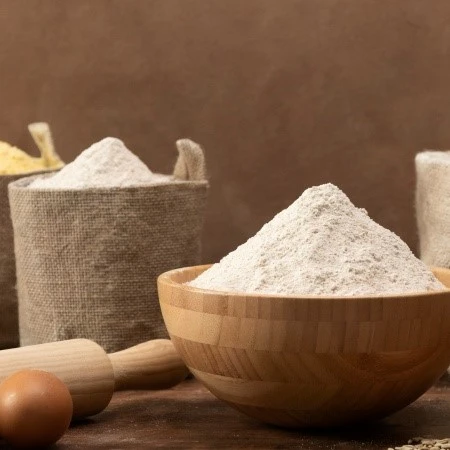
Hydrolyzed oat flour is derived from oats (Avena sativa), a cereal grain that has been cultivated for thousands of years. The term "hydrolyzed" refers to a specific process that breaks down larger molecules into smaller ones through a reaction with water. In the case of oat flour, hydrolysis breaks down complex oat proteins into smaller peptides and amino acids.
The hydrolysis process is crucial because it transforms regular oat flour into a more bioavailable form. During hydrolysis, the protein molecules in oats are broken into smaller components that can more easily penetrate hair structures and skin barriers. This transformation is what makes hydrolyzed oat protein particularly valuable in personal care formulations.
Nutritionally, oats contain approximately 15-20% protein content, with the primary protein being avenalin. This protein is rich in essential amino acids that offer numerous benefits when applied topically. The hydrolyzed version retains these beneficial amino acids but in a form that's more readily absorbed and utilized by hair and skin. The molecular weight of hydrolyzed oat protein typically ranges from 500 to 3000 Daltons, which is significantly smaller than intact proteins. This small molecular size is what allows the hydrolyzed protein to effectively penetrate the hair shaft rather than merely coating the surface. Beyond proteins, hydrolyzed oat flour also contains beta-glucans, a type of soluble fiber that forms a thin, moisture-retaining film when applied to hair or skin. This component contributes significantly to the moisturizing properties of hydrolyzed oat products.
Compared to other plant-based proteins used in hair care (like wheat, soy, or rice proteins), hydrolyzed oat protein offers a unique balance of moisturizing and strengthening properties. It also tends to be well-tolerated by sensitive scalps due to its naturally soothing properties.
How Does Hydrolyzed Oat Flour Relate to Hair Care?
The relationship between hydrolyzed oat flour and hair care is rooted in the structural and biochemical properties of hair itself. Hair is primarily composed of a protein called keratin, which can become damaged through environmental factors, heat styling, chemical treatments, and everyday wear and tear. This is where hydrolyzed oat protein comes into play as a restorative agent.
When applied to hair, hydrolyzed oat protein works in several beneficial ways:
Temporary Repair of Damaged Areas: The small peptides in oat protein can temporarily bind to damaged areas of the hair cuticle, filling in gaps and creating a smoother surface. This binding action helps to reduce the appearance of split ends and broken fibers.
Moisture Retention: Beta-glucans and amino acids form a lightweight, moisture-binding film on the hair. This film helps to lock in moisture without weighing hair down, a delicate balance that many commercial conditioning agents struggle to achieve.
Increased Hair Volume: Unlike some heavy conditioning agents that can flatten fine hair, hydrolyzed oat protein adds body and volume. It does this by lightly coating each strand, increasing the diameter ever so slightly without creating buildup.
Protection Against Environmental Damage: The film formed by oat protein can also serve as a protective barrier against environmental stressors like UV radiation, pollution, and heat damage from styling tools.
Scalp Health: Beyond benefiting the hair shaft itself, oat peptides can soothe scalp irritation. The natural anti-inflammatory properties of oats transfer to the hydrolyzed protein, making it particularly valuable for sensitive scalp formulations.
Research has demonstrated that regular use of hydrolyzed oat protein in hair care regimens can lead to noticeable improvements in hair quality. A study published in the International Journal of Cosmetic Science found that oat protein significantly improved hair manageability, reduced breakage, and enhanced shine when compared to control treatments.
Is Hydrolyzed Oat Flour Considered a "Hair Protein"?
To determine whether hydrolyzed oat flour qualifies as a "hair protein," we first need to understand what this term actually means in the context of hair care. In cosmetic science, a "hair protein" typically refers to an ingredient that can interact with hair's natural protein structure to provide strengthening, repair, or protective benefits. By this definition, hydrolyzed oat flour does indeed function as a hair protein, though with some important qualifications. While it's not identical to the keratin that naturally makes up human hair, hydrolyzed oat protein offers many similar functional benefits through different mechanisms.
Its amino acid profile complements that of hair keratin in several ways. It contains significant amounts of glutamic acid, aspartic acid, and proline – all amino acids that play crucial roles in maintaining hair strength and elasticity. This complementary amino acid composition allows oat peptides to effectively interact with the hair's structure.
When comparing hydrolyzed oat protein to animal-derived proteins like hydrolyzed keratin or collagen, some key differences emerge. Plant-based proteins like hydrolyzed oat tend to be lighter and less prone to buildup. They often provide more balanced moisture retention alongside strengthening benefits, while some animal-derived proteins can potentially create stiffness if overused. For individuals seeking vegan or cruelty-free hair care options, hydrolyzed oat protein represents an effective alternative to traditional animal-derived protein treatments. As consumer demand for plant-based personal care increases, this aspect of oat peptides becomes increasingly relevant.
The efficacy of hydrolyzed oat protein as a hair treatment also depends on several factors, including:
Concentration: Its percentage in a formulation significantly impacts its effectiveness. Professional-grade treatments typically contain higher concentrations than daily-use products.
Molecular Weight Distribution: The specific range of peptide sizes in an oat peptides product affects how it interacts with hair. Smaller peptides penetrate more deeply, while slightly larger ones provide more surface conditioning.
Complementary Ingredients: Hydrolyzed oat protein works best when formulated alongside other beneficial ingredients like humectants, emollients, and pH balancers that support its function.
Application Method: How a product containing oat peptides is applied and how long it remains on the hair before rinsing can significantly impact results.
Hair care professionals often recommend hydrolyzed oat protein specifically for certain hair types and conditions. It tends to be particularly beneficial for fine or damaged hair that needs strengthening without heaviness. It's also well-suited for curly and wavy hair types that require a careful balance of protein and moisture to maintain optimal texture and definition.
Le-Nutra: Hydrolyzed Oat Protein Manufacturer
Le-Nutra is a leading hydrolyzed oat protein supplier in China with over 10 years of experience in the natural ingredients industry. Our oat peptides offer exceptional benefits for hair care formulations: Customizable Molecular Weight: Available for customization to meet your specific formulation needs; Superior Advantages: Good solubility, low GI, easy to digest, and rich in essential nutrients; Expertise You Can Trust: With over a decade of experience in natural ingredients, we deliver consistent quality and innovation
Whether you're developing shampoos, conditioners, hair masks, or styling products, our oat protein can enhance your formulations with proven hair care benefits.
For more information or to place an order, please contact us at info@lenutra.com.
References:
- Keis K, Persaud D, Kamath YK, Rele AS. (2005). "Investigation of penetration abilities of various oils into human hair fibers." Journal of Cosmetic Science, 56(5):283-95.
- Gavazzoni Dias MF. (2015). "Hair cosmetics: an overview." International Journal of Trichology, 7(1):2-15.
- Camacho-Bragado GA, Balooch G, Dixon-Parks F, Porter C, Bryant H. (2015). "Understanding breakage in curly hair." British Journal of Dermatology, 173(S2):10-16.
- Tate ML, Kamath YK, Ruetsch SB, Weigmann HD. (1993). "Quantification and prevention of hair damage." Journal of the Society of Cosmetic Chemists, 44:347-371.
- Secchi G. (2008). "Role of protein in cosmetics." Clinics in Dermatology, 26(4):321-325.







