

The growing demand for natural, plant-based protein sources has led many to explore alternatives to traditional animal proteins. Oat protein, particularly in its hydrolyzed form, has emerged as a promising option for those seeking sustainable and allergen-friendly nutrition solutions. However, the processing involved in creating hydrolyzed oat protein often raises questions about whether this ingredient maintains its natural status.
Naturally Derived Ingredient
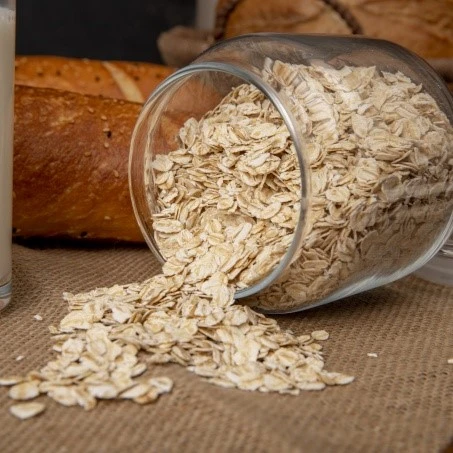
Hydrolyzed oat protein originates from one of nature's most wholesome grains: oats (Avena sativa). These cereal grains have been cultivated for thousands of years and are recognized globally for their nutritional value and health benefits. The protein found naturally within oat kernels serves as the foundation for hydrolysed oat protein, making this ingredient fundamentally rooted in natural agriculture.
The protein content in oats typically ranges from 12% to 20% by weight, depending on the variety and growing conditions. This protein consists primarily of globulins and prolamins, which contain all essential amino acids, though in varying proportions. The natural protein structure in oats provides a complete amino acid profile that supports human nutritional needs, making it an excellent base material for protein extraction and processing. When we examine the chemical composition of oat protein, we find that it naturally contains beta-glucan, a soluble fiber known for its cholesterol-lowering properties, as well as various vitamins, minerals, and antioxidants. These components contribute to the overall nutritional value of products containing hydrolyzed oat protein. The presence of these naturally occurring compounds supports the argument that hydrolyzed oat protein maintains its connection to its natural source.
From a regulatory perspective, many food authorities classify ingredients derived from recognized food sources like oats as natural, provided the processing methods don't fundamentally alter the ingredient's character. This classification system acknowledges that some level of processing is necessary to extract and concentrate beneficial components from whole foods. The key consideration is whether the processing preserves the essential characteristics of the original natural source.
Source
The journey of hydrolyzed oat protein begins in agricultural fields where oats are carefully cultivated using traditional farming methods. The quality of the final protein product is intrinsically linked to the quality of the source material, making the selection of premium oat varieties crucial. Different oat cultivars exhibit varying protein content and amino acid profiles, with some specifically bred for higher protein yields while maintaining optimal nutritional characteristics.
Modern oat farming practices prioritize soil health and sustainable cultivation methods to ensure consistent protein quality. The protein content in oats is influenced by factors such as soil composition, climate conditions, and harvesting timing. Farmers often work closely with ingredient manufacturers to optimize growing conditions for maximum protein yield while maintaining the natural integrity of the grain.
Geographic origin plays a significant role in determining the characteristics of oat protein. Oats grown in northern climates, such as Scandinavia, Canada, and northern regions of Europe and Asia, often exhibit superior protein profiles due to the extended growing seasons and specific environmental conditions. These regions have developed specialized expertise in producing high-quality oats specifically for protein extraction purposes.
The harvesting and initial processing of oats require careful attention to preserve protein quality. Modern harvesting techniques ensure minimal damage to the protein structures within the grain, while proper storage conditions prevent oxidation and maintain nutritional value. The supply chain from farm to processing facility is designed to maintain the natural characteristics of the oat protein throughout the journey.
Quality control measures at the source level include testing for protein content, amino acid composition, and the absence of contaminants. These rigorous standards ensure that only premium oats enter the protein extraction process. Many manufacturers establish long-term relationships with specific farming regions to ensure consistent quality and traceability of their oat protein sources. This farm-to-processor relationship helps maintain the natural integrity of the ingredient while meeting industrial quality requirements.
Processing
The transformation of whole oats into hydrolyzed oat protein involves several carefully controlled processing steps that aim to preserve the natural characteristics while enhancing functionality. The process begins with cleaning and dehulling the oats to remove outer layers and concentrate the protein-rich endosperm. This mechanical separation process maintains the natural protein structure while removing non-protein components.
Protein extraction typically employs aqueous or mild alkaline solutions to separate proteins from carbohydrates and fats. This water-based extraction method is considered more natural compared to chemical solvent extraction, as it relies on the natural solubility properties of oat proteins. The pH and temperature conditions are carefully controlled to optimize protein yield while minimizing denaturation of the natural protein structures.
The hydrolysis process itself involves breaking down the larger protein molecules into smaller peptides and amino acids through controlled enzymatic action. This step utilizes naturally occurring enzymes, often derived from plant or microbial sources, to cleave specific peptide bonds within the protein structure. The enzymatic approach is considered more natural than chemical hydrolysis methods, as it mimics the digestive processes that occur naturally in the human body. Temperature and time parameters during hydrolysis are precisely controlled to achieve the desired degree of protein breakdown while preserving nutritional value. The process typically occurs at moderate temperatures, well below those that would cause significant chemical changes to the amino acid structure. This gentle processing approach helps maintain the natural characteristics of the amino acids and peptides present in the final product.
Following hydrolysis, the protein solution undergoes purification steps to remove unwanted components and concentrate the hydrolyzed protein. These steps may include filtration, centrifugation, and gentle drying processes. Modern spray-drying techniques allow for the conversion of liquid protein solutions into powder form while maintaining protein functionality and nutritional value.
Quality control throughout the processing stages ensures that the final hydrolyzed oat protein maintains its connection to the natural source. Parameters such as amino acid composition, molecular weight distribution, and functional properties are monitored to verify that the processing has achieved the desired outcomes without compromising the natural characteristics of the protein.
Le-Nutra: Hydrolyzed Oat Protein Manufacturer
Le-Nutra is a hydrolyzed oat protein supplier in China with over 10 years of experience in the natural ingredients industry.
Key Features:
• Molecular Weight: Available for customization to meet specific application requirements
• Advantages: Excellent solubility, low glycemic index, easy digestibility, and rich nutritional profile
• Expertise: Over a decade of experience in developing and manufacturing natural ingredients
For more information about our hydrolysed oat protein products or to place an order, please contact us at info@lenutra.com.
References:
1. Tosh, S. M. (2013). Review of human studies investigating the post-prandial blood-glucose lowering ability of oat and barley food products. European Journal of Clinical Nutrition, 67(4), 310-317.
2. Rasane, P., Jha, A., Sabikhi, L., Kumar, A., & Unnikrishnan, V. S. (2015). Nutritional advantages of oats and opportunities for its processing as value added foods. Journal of Food Science and Technology, 52(2), 662-675.
3. Singh, R., De, S., & Belkheir, A. (2013). Avena sativa (Oat), a potential neutraceutical and therapeutic agent. Critical Reviews in Food Science and Nutrition, 53(2), 126-144.
4. Wilhelmson, A., et al. (2001). Enzyme-assisted mashing of barley malts with a high content of oats, wheat, or rye. Journal of the Institute of Brewing, 107(4), 239-248.







