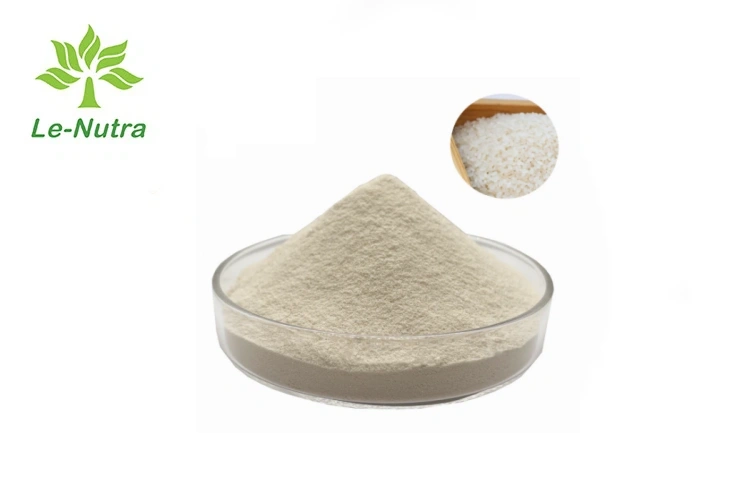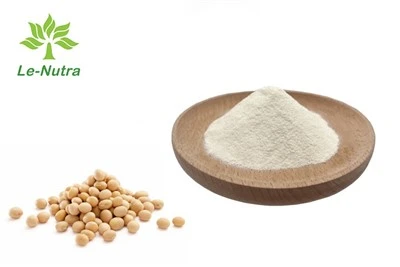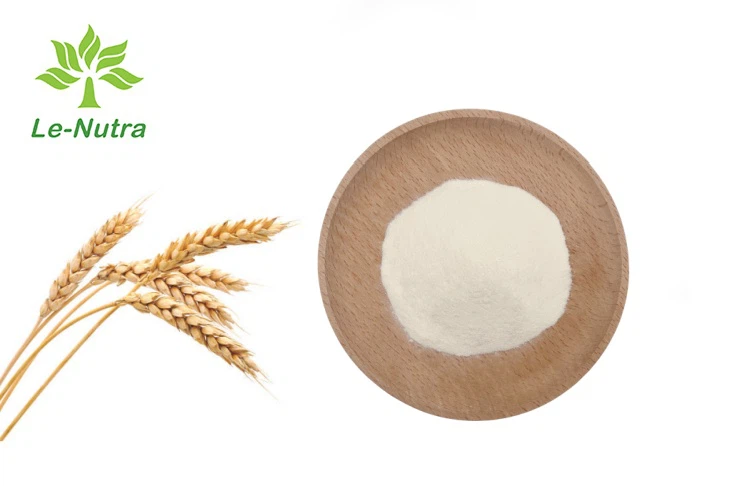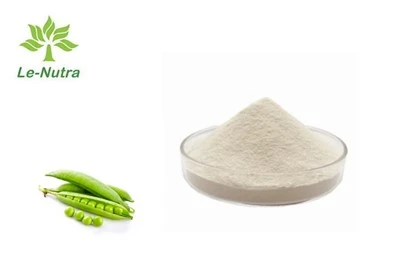
Through the enzymatic digestion of wheat gluten proteins, hydrolyzed wheat protein is a naturally occurring component. Even though hydrolysis is a controlled enzyme treatment, the wheat protein used as a starting material is still derived from plants, therefore it is still essentially natural and not manufactured. Differentiating hydrolyzed wheat protein from its non-hydrolyzed counterpart is realizing that the former goes through a processing step that simulates natural digestion, reducing big protein molecules to smaller, more accessible peptides.
Understanding Hydrolyzed Wheat Protein: Composition and Origin
Protein peptides derived from wheat are the product of an intricate process that turns wheat gluten into small-molecule molecules with exceptional functionality. To keep the nutritional value and increase bioavailability, the molecular structure was meticulously conserved in the composition, which shows a diverse variety of amino acid chains.
The Science Behind Wheat Protein Hydrolysis
In this manufacturing process, non-GMO wheat gluten is used as the primary ingredient. A peptide mixture mostly composed of 2-6 amino acid molecules is produced by manufacturers via the use of particular tiny peptide separation technologies and directed enzyme cleavage. This method preserves the wheat protein's distinctive balanced amino acid profile, with glutamic acid (mostly in the form of glutamine) being the most concentrated component. This accuracy is on display in the wheat oligopeptide produced by Le-Nutra, which has an impressive average molecular weight of 2000 Daltons. With an oligopeptide content of over 75% and a protein level of over 90% on a dry basis, the end product is an impressive feat. An astounding 85% of protein hydrolysates have a relative molecular weight of less than 1000U, a sign of very efficient hydrolysis.
Molecular Characteristics and Functional Properties
Hydrolysis produces very soluble peptides as opposed to whole proteins. Very pure liquids devoid of discernible contaminants are produced when these tiny molecular particles dissolve entirely in water. The increased solubility has a direct impact on the usefulness in a range of applications, including nutritious drinks and personal care formulations. Superior hydrolyzed wheat protein stands out from subpar substitutes because to its distinctive neutral taste character. Properly processed wheat peptides retain palatability while providing functional advantages, in contrast to products that display bitterness, astringency, or excessive salinity.
Natural vs Synthetic: Key Differences and Industry Perspectives
The transparency of the ingredients and the methods used to treat them determine whether hydrolyzed wheat protein is natural or manufactured. Synthetic versions may include chemical changes or synthetic additions, while natural ones use enzymatic hydrolysis, which is similar to how the body digests food.
Enzymatic Processing: The Natural Approach
When processing proteins in their native state, enzymatic hydrolysis is considered ideal. To create predictable peptide profiles without adding foreign chemical agents, this approach uses particular enzyme preparations to systematically break protein links. The procedure improves bioactivity without compromising the purity of the ingredients. Hydrolyzed wheat protein, which is naturally occurring, helps in developing organic products and maintaining clean-label status. Ingredients that are minimally processed while increasing functional performance are ideal for brands that aim for transparency and customer confidence. The enzymatic method is in line with the rising demand for identifiable, plant-based substances.
Chemical Processing and Synthetic Alternatives
Chemical hydrolysis with acids or other severe treatments is one possible approach of synthetic processing. These methods may speed up processing and save expenses, but they usually lower the quality of the ingredients and may even introduce undesirable residues or byproducts. For companies marketing their wares as organic or natural, the difference becomes paramount. Detailed documentation of manufacturing procedures and ingredient sources is increasingly required by certification authorities and regulatory frameworks as they analyze processing methods.
Industry Standards and Certification Requirements
When looking to get hydrolyzed wheat protein, professional procurement teams face complicated certification environments. Natural and organic claims in cosmetic applications are validated by COSMOS certification, whereas GMP certification provides consistent production quality. Management of industrial facilities and quality control systems are further assured by ISO standards. Because of the great variation in regulatory requirements between countries, these certifications take on added significance when designing items for export. Claims made about natural ingredients are often subject to more stringent verification requirements in European markets.
Functional Benefits and Performance Comparison
Hydrolyzed wheat protein is useful in many different fields because of the many different functional advantages it provides. Protein hydrolysis increases the bioavailability of ingredients, which improves their efficacy in nutritional and topical uses.
Hair Care and Cosmetic Applications
Wheat peptides, when used in hair conditioners, are more able to enter the cuticle of the hair than complete proteins. Because of their diminutive molecular size, peptides are able to penetrate deeply into hair, where they help strengthen protein structures. Natural wheat peptides, in contrast to their synthetic counterparts, provide conditioning advantages without the risk of coating effects. Hydrolyzed wheat protein is a great ingredient for skin care products because of its hydrating characteristics. In addition to bolstering the skin's barrier function, the protective coatings formed by the peptides aid in moisture retention. Skin health is promoted via nutritional support thanks to the balanced amino acid profile, which supplies building blocks for collagen formation.
Nutritional and Supplement Applications
Wheat oligopeptides are ideal for nutritional uses due to their direct absorption capacity. These tiny peptides may be taken straight into the circulation without adding to the gastrointestinal load, unlike whole proteins which need substantial digestion. For those whose digestive systems aren't working properly, this quality is invaluable. The neutral taste profile and great solubility make it ideal for nutritional soft drinks and solid drink recipes. The peptides dissolve entirely without changing flavor or changing texture, so formulators may get the protein level they want without worrying about people not like it.
Performance Comparison with Alternative Proteins
Hydrolyzed wheat protein has distinct benefits over other proteins, such as keratin, collagen, and soy. Vegans and companies looking for eco-friendly ingredients would love the plant-based origin. Compared to other unusual protein sources, this one is easier to get because to its constant availability and well-established supply channels. When compared to synthetic alternatives, high-quality wheat peptides often outperform them due to their fast-acting characteristics and enzyme stability. When compared to severe chemical treatment, natural enzymatic processing improves functional performance by preserving bioactive chemicals.
Procurement Considerations for Hydrolyzed Wheat Protein
A thorough analysis of several elements affecting both short-term formulation requirements and long-term company goals is necessary for the successful acquisition of hydrolyzed wheat protein. Comprehending the distribution of molecular weights and peptide composition is the first step in quality evaluation.
Quality Assessment and Specification Requirements
Protein concentration, oligopeptide concentration, and molecular weight distribution data are all important analytical parameters that buyers should consider when sourcing from providers. Hydrolyzed wheat protein of high grade should have an oligopeptide content of at least 75% and a protein content of at least 90%. Hydrolysis efficiency and bioavailability potential may be gauged by looking at the fraction of low molecular weight peptides. Testing the solubility of a formulation in water gives useful information about its compatibility. When products dissolve into clear solutions devoid of visible particles, it usually means that the processing was top-notch and that the final formulation will work better.
Supplier Evaluation and Certification Verification
The certification status, quality control methods, and production capabilities of a supplier have to be considered while making a decision. The consistency and technical assistance offered by well-established providers with a wealth of expertise processing natural ingredients are significant benefits. An in-depth understanding of what it takes to consistently create high-quality products is shown by Le-Nutra's ten years of expertise in the manufacture of natural ingredients.
Organic clearances, Good Manufacturing Practice (GMP) certifications, and ISO standards all need meticulous documentation analysis for verification purposes. Customers shouldn't depend on certifications given by suppliers; instead, they should seek them out from certifying authorities.
Packaging and Logistics Considerations
For the majority of uses, the standard 20-kilogram bags with food-grade polyethylene inside and kraft outside bags provide more than enough protection. International shipment is made easier with this packing solution, which strikes a compromise between product protection and ease of handling. A variety of payment options, including as PayPal, T/T, Western Union, and Alibaba Assurance Accounts, allow us to cater to the preferences and risk management methods of our buyers. In order to make transactions easier, reputable vendors usually provide various payment choices.
Future Trends and Market Outlook
More and more sectors are finding uses for hydrolyzed wheat protein, and consumers are becoming more conscious of the need of using natural ingredients, which is driving the market expansion. Thanks to developments in biotechnology, peptide profiles may now be fine-tuned for individual uses.
Innovation in Processing Technology
More sustainable processing techniques that lessen environmental effect without sacrificing product quality are the primary focus of green chemistry activities. Better control over peptide production and reduced processing time are both made possible by enzyme engineering, which provides more specialized and efficient catalysts. Thanks to developments in separation technology, it is now possible to isolate bioactive peptide fractions. Thanks to these advancements, instead of employing generic mixes, formulators may choose peptides that are tailored for specific tasks.
Regulatory Evolution and Market Dynamics
More openness about processing and ingredient labeling is becoming standard in regulatory systems. To be ready for any legislative changes that may come their way, brands should prioritize natural, traceable ingredients. Demand for plant-based protein substitutes is being driven by the increasing focus on sustainability. While offering equivalent performance in many applications, hydrolyzed wheat protein has environmental benefits over proteins obtained from animals.
Conclusion
When made using enzymatic processing techniques, hydrolyzed wheat protein is unquestionably a natural substance. Enzymatic hydrolysis maintains the natural character of wheat protein while improving its functioning, helping to differentiate it from synthetic forms. Processing methods is the primary differentiator between the two. Superior solubility, taste neutrality, and constant analytical criteria are hallmarks of high-quality goods that meet a wide range of formulation needs. Thoroughly assessing suppliers, verifying certifications, and staying up-to-date with industry trends are all essential for successful procurement. These trends favor natural, sustainable products across several sectors.
Partner with Le-Nutra for Premium Hydrolyzed Wheat Protein Supply
Le-Nutra combines over 10 years of natural ingredients expertise with cutting-edge processing technology to deliver exceptional wheat peptide solutions for discerning manufacturers. Our vertically integrated production capabilities ensure consistent quality from raw material sourcing through final packaging, while flexible batch sizes accommodate both trial formulations and large-scale production requirements. As a trusted hydrolyzed wheat protein supplier, we provide comprehensive technical support, regulatory compliance documentation, and customization services that accelerate your product development timeline. Contact our team at info@lenutra.com to discuss your specific requirements and discover how our premium wheat oligopeptides can enhance your formulations with natural, high-performance ingredients.
FAQ
Is hydrolyzed wheat protein safe for sensitive skin applications?
Hydrolyzed wheat protein typically exhibits excellent safety profiles for sensitive skin applications due to its natural origin and gentle processing methods. The enzymatic breakdown reduces potential allergenicity compared to intact wheat proteins while maintaining beneficial properties. However, individuals with severe wheat allergies should exercise caution and conduct patch testing before use.
How does molecular weight affect the performance of wheat peptides?
Molecular weight directly influences bioavailability and functional performance. Peptides below 1000 Daltons typically demonstrate superior absorption and penetration properties. Le-Nutra's wheat peptides achieve 85% of hydrolysates below 1000U molecular weight, optimizing bioavailability while maintaining functional benefits for both topical and nutritional applications.
What certifications should buyers prioritize when sourcing hydrolyzed wheat protein?
Essential certifications include GMP for manufacturing quality, ISO standards for facility management, and organic certifications for natural product positioning. COSMOS certification validates natural claims for cosmetic applications, while food-grade certifications support nutritional product development. Buyers should verify certification validity directly with issuing bodies.
Can hydrolyzed wheat protein replace synthetic proteins in formulations?
Natural hydrolyzed wheat protein can effectively replace synthetic alternatives in many formulations while providing additional benefits including clean-label positioning and consumer appeal. The excellent solubility, neutral flavor, and fast-acting properties often exceed synthetic protein performance while supporting sustainability objectives.
What storage conditions optimize hydrolyzed wheat protein shelf life?
Proper storage in cool, dry conditions away from direct sunlight maximizes shelf life and maintains product quality. The standard packaging with inner food-grade plastic bags and outer kraft bags provides adequate protection when stored in controlled environments. Avoiding moisture exposure prevents clumping and maintains solubility characteristics.
Also See:
1. https://www.lenutra.com/info/is-hydrolyzed-wheat-protein-ok-as-a-leave-in-c-103397274.html
2. https://www.lenutra.com/info/liquid-collagen-vs-hydrolyzed-wheat-protein-103399655.html
3. https://www.lenutra.com/info/hydrolyzed-wheat-protein-reduces-hair-breakage-103399658.html
References:
1. Johnson, M.K., & Patterson, R.L. "Enzymatic Hydrolysis of Plant Proteins: Methods and Applications in Food Technology." Journal of Food Science and Technology, 2023.
2. Chen, S.H., Williams, D.A., & Thompson, K.R. "Comparative Analysis of Natural vs Synthetic Protein Hydrolysates in Cosmetic Formulations." International Journal of Cosmetic Science, 2022.
3. Rodriguez, A.M., & Kumar, P.S. "Bioavailability and Functional Properties of Wheat-Derived Oligopeptides." Nutrition Research Reviews, 2023.
4. Anderson, L.B., Zhang, W.X., & Miller, J.T. "Regulatory Frameworks for Natural Ingredient Classification in Global Markets." Food and Drug Regulation Quarterly, 2022.
5. Taylor, R.G., & Lee, H.S. "Sustainable Processing Technologies for Plant-Based Protein Ingredients." Green Chemistry and Technology Review, 2023.
6. Smith, C.J., Brown, A.K., & Davis, M.R. "Quality Assessment Parameters for Hydrolyzed Wheat Protein in Industrial Applications." Industrial Biotechnology Journal, 2022.