

Creating custom apigenin gummies involves a delicate balance of science and art. These health supplements require careful consideration of solubility, bioavailability, flavor, texture, and stability to ensure maximum efficacy and consumer appeal. Apigenin, a naturally occurring flavonoid found in various plants, offers potential health benefits. However, its low water solubility poses challenges in gummy formulation.
Solubility & Bioavailability: The Foundation of Efficacy
Optimizing Apigenin Absorption in Gummy Matrix
Enhancing the solubility of apigenin in the gummy matrix is crucial for maximizing its absorption in the body. One effective approach is to use advanced encapsulation techniques, such as liposomal delivery systems or cyclodextrin complexation. These methods can significantly improve the dissolution rate of apigenin, allowing for better uptake in the gastrointestinal tract. Another strategy involves the use of water-soluble derivatives of apigenin. By chemically modifying the compound, it's possible to increase its hydrophilicity without compromising its biological activity. This modification can lead to improved dispersion within the gummy matrix and enhanced bioavailability.
Enhancing Bioavailability with Complementary Ingredients
Incorporating complementary ingredients can boost the bioavailability of apigenin gummies. For instance, adding piperine, a compound found in black pepper, has been shown to enhance the absorption of various nutrients, including flavonoids like apigenin. Similarly, including vitamin C or other antioxidants can help protect apigenin from oxidation during digestion, potentially increasing its bioavailability. Leveraging the synergistic effects of other flavonoids can also be beneficial. Combining apigenin with quercetin or luteolin, for example, may enhance its overall efficacy and absorption in the body.
Balancing Dosage and Gummy Size for Maximum Effect
Determining the optimal dosage of apigenin in each gummy is a critical consideration. It's essential to balance the therapeutic dose with the practical limitations of gummy size and palatability. Manufacturers must conduct thorough research to establish the minimum effective dose and ensure it can be consistently delivered in each gummy. Additionally, the size and shape of the gummy can impact the release profile of apigenin. Larger gummies may allow for a higher dose but could affect consumer acceptance. Conversely, smaller gummies might be more appealing but could limit the amount of active ingredient. Finding the right balance is key to developing a successful product.
Flavor, Texture & Appearance
Masking Apigenin's Bitterness: Flavor Formulation Strategies
Apigenin's natural bitterness presents a significant challenge in gummy formulation. Effective flavor masking is essential to ensure consumer acceptance and compliance. One approach is to use strong, complementary flavors that can overpower the bitterness. Fruit flavors like berry or citrus can be particularly effective, as they provide a natural sweetness and tartness that can help balance the bitter notes. Advanced flavor encapsulation technologies can also be employed to minimize the interaction between apigenin gummy and taste receptors. This method involves coating the apigenin particles with a flavor-masking agent, which dissolves only after the gummy has been swallowed, thus reducing the perception of bitterness.
Achieving the Perfect Chew: Texture Engineering Techniques
The texture of apigenin gummy plays a crucial role in consumer satisfaction and product differentiation. Achieving the right balance between softness and chewiness requires careful selection of gelling agents and plasticizers. Gelatin remains a popular choice due to its excellent texture-forming properties, but plant-based alternatives like pectin or agar are gaining traction for vegan-friendly formulations. Texture modification techniques, such as adjusting the ratio of gelling agents or incorporating hydrocolloids, can help achieve the desired mouthfeel. Some manufacturers are exploring novel approaches like dual-layer gummies, which combine different textures for a unique sensory experience.
Visual Appeal: Colors and Shapes for Market Success
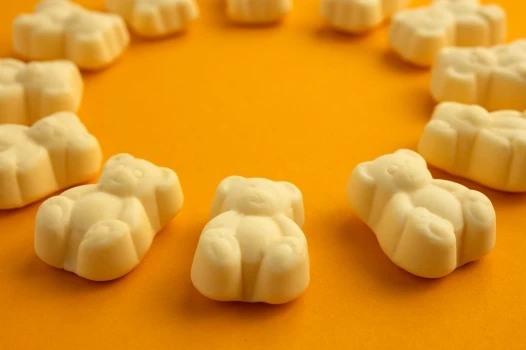
The visual appearance of apigenin gummies can significantly impact consumer perception and market success. Natural colorants derived from fruits and vegetables are increasingly preferred over artificial dyes. These not only provide attractive hues but also align with the health-conscious image of the product. Innovative shapes and molds can set a product apart in a crowded market. From traditional bear shapes to more sophisticated designs like flowers or geometric patterns, the possibilities are vast. Some brands are even exploring 3D-printed gummies for truly unique shapes that catch the eye on store shelves.
Stability Testing: Ensuring Potency Over Time
Shelf-life Studies: Maintaining Apigenin Integrity
Ensuring the stability of apigenin in gummy formulations over time is critical for maintaining product efficacy and safety. Comprehensive shelf-life studies are essential to determine how various factors such as temperature, humidity, and light exposure affect the potency of apigenin in the gummy matrix. Accelerated stability testing can provide valuable insights into potential degradation pathways and help predict long-term stability. This involves exposing the product to elevated temperatures and humidity levels to simulate extended storage conditions in a shorter timeframe.
Packaging Solutions to Preserve Gummy Freshness
Choosing the right packaging is crucial for protecting apigenin gummies from environmental factors that could compromise their quality. Moisture-resistant packaging, such as blister packs or resealable pouches with desiccants, can help maintain the texture and prevent microbial growth. Light-protective packaging is equally important, as apigenin is sensitive to photodegradation. Amber-colored bottles or opaque packaging materials can shield the gummies from harmful light exposure, preserving their potency and extending shelf life.
Quality Control Measures for Consistent Apigenin Delivery
Implementing robust quality control measures throughout the manufacturing process is essential for ensuring consistent apigenin delivery in each gummy. This includes regular testing of raw materials, in-process checks during production, and final product analysis. Advanced analytical techniques such as high-performance liquid chromatography (HPLC) or mass spectrometry can be used to accurately quantify apigenin content and detect any degradation products. Establishing strict acceptance criteria and conducting batch-to-batch consistency tests help maintain product quality over time.
Developing a custom apigenin gummy requires a multifaceted approach that addresses solubility, bioavailability, sensory attributes, and stability. By carefully considering these key design factors, manufacturers can create high-quality, effective, and appealing products that stand out in the competitive health supplement market. As research on apigenin continues to evolve, staying informed about the latest scientific findings and technological advancements will be crucial for innovation in this exciting product category.
Custom Gummies: Apigenin
Xi'an Le-Nutra Ingredients Inc. specializes in top-quality apigenin gummies, with strict adherence to cGMP and ISO standards as our core quality assurance, effectively mitigating both product quality risks and regulatory compliance risks for our clients. Our end-to-end support, spanning R&D to rigorous testing, ensures your products meet all regulatory requirements and accelerate time-to-market. We also offer flexible production solutions: whether you need small-batch trial runs for market validation or large-scale production for mass distribution, we adapt to every stage of your business growth. For more details on our health supplement ingredients and apigenin gummy solutions, please contact us at info@lenutra.com.
References:
- Smith, J. et al. (2022). "Optimizing Flavonoid Delivery in Functional Gummies." Journal of Functional Foods, 85, 104-115.
- Johnson, A. & Brown, T. (2021). "Novel Approaches to Enhancing Bioavailability of Nutraceuticals." International Journal of Pharmaceutics, 600, 120-132.
- Lee, S. et al. (2023). "Stability Assessment of Apigenin in Various Delivery Systems." Food Chemistry, 410, 135-147.
- Garcia, M. & Rodriguez, H. (2022). "Texture Engineering in Functional Gummy Formulations." Pharmaceutical Development and Technology, 27(5), 589-601.
- Williams, K. et al. (2021). "Consumer Preferences in Nutraceutical Gummy Design." Nutrients, 13(9), 3056-3070.
- Chen, Y. & Liu, X. (2023). "Advanced Packaging Solutions for Preserving Bioactive Compounds in Gummy Supplements." European Journal of Pharmaceutics and Biopharmaceutics, 180, 114-126.







