Within the multi-billion-dollar liver health supplement market, milk thistle extract and its active core component silymarin are frequently conflated on product labels. However, for professional formulators and brand buyers, understanding the fundamental distinctions between standardised specifications and testing methods (HPLC vs. UV) is the first step in establishing a product efficacy moat. Minor variations in raw material purity often directly determine the bioavailability of the end product and its compliance for global market access.
As a specialist supplier with over a decade of expertise in plant extraction, Le-Nutra provides not only standardised bulk ingredients but also technical support underpinned by stringent HPLC control standards. From highly soluble aqueous solutions to bespoke high-silymarin-content formulations, we empower brands to pinpoint the optimal balance between cost-effectiveness and efficacy within the complex raw material marketplace. This in-depth analysis dissects the grading logic of silymarin extracts, equipping you to make commercially forward-thinking decisions within the global supply chain competition.
What constitutes the "raw material" and what the "core"?
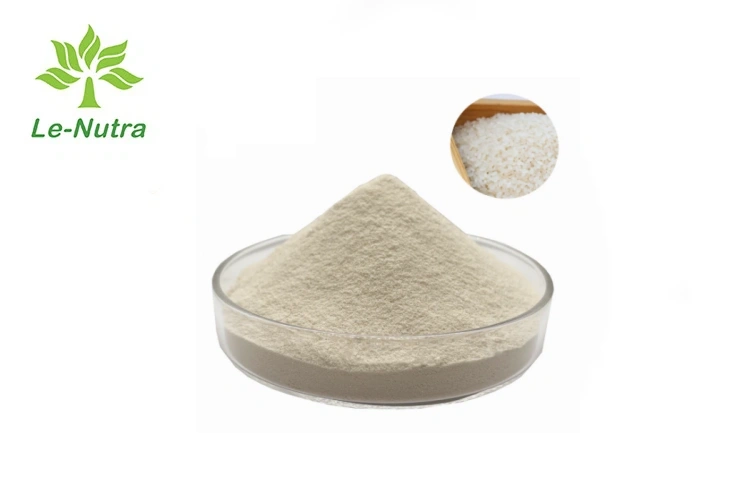
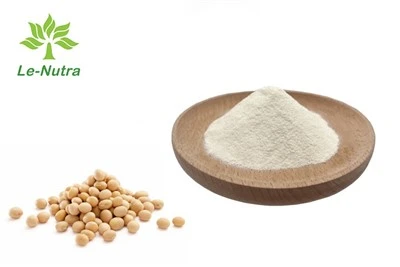
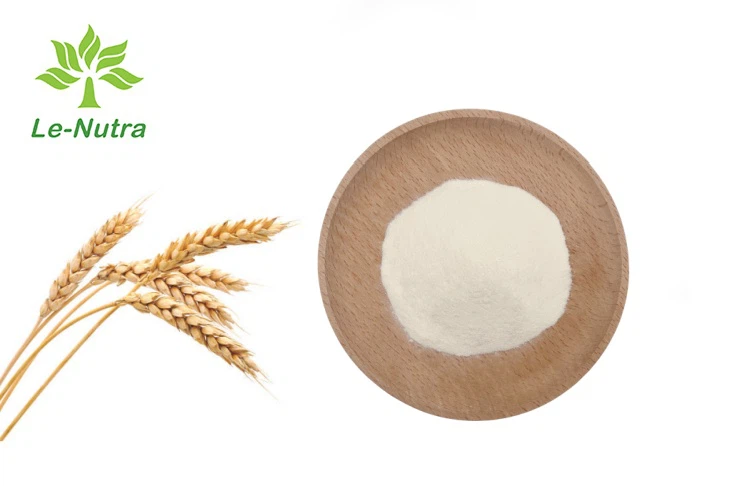
To make this instantly clear, I often use an analogy: hydrolysed rice protein to rice is akin to silymarin to milk thistle extract.
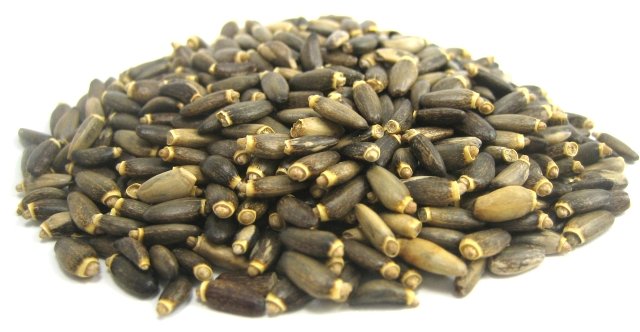
• Milk Thistle Extract: This is a collective term. It refers to all substances extracted from the seeds of the milk thistle plant (Silybum marianum) via solvent extraction. It contains fatty acids, proteins, plant fibres, and the active ingredients we most desire.
• Silymarin: This denotes a core component. It is a refined complex of active flavonoid compounds further purified from the extract.
In other words, when you purchase a kilogram of milk thistle extract, you are essentially acquiring a "package", with silymarin being the most valuable "gold" within that package.
What Is Silymarin?
Silymarin is not a single substance but a complex of active ingredients. It is present in milk thistle seeds and represents the most prominent and representative collection of functional components within milk thistle extracts.
Silymarin primarily consists of the following classes of flavolignans:
Silybin (also known as Silibinin)
Isosilybin
Silychristin
Silydianin
In laboratory testing and quality control, Silybin is typically regarded as the most pivotal marker component.
Why does the industry place such emphasis on Silymarin?
Among all milk thistle-derived constituents, Silymarin exhibits the most established structure, content, and analytical methods. Consequently, it is widely employed as:
- The standardised benchmark for milk thistle extracts
- The fundamental parameter for quality comparison across different suppliers
The Pitfalls in B2B Procurement: UV Method vs. HPLC Method
In B2B trade, this is a critical factor that directly determines your product's cost and compliance. Many buyers lament: 'Why is Factory A's 80% silymarin so much cheaper than Factory B's?'
The answer often lies in the testing method:
• UV Method (Ultraviolet Spectrophotometry): This is a more traditional detection method. It lacks precision, is susceptible to interference from other similar substances in the extract, and typically yields inflated readings. Many cheap raw materials labelled as '80%' employ the UV method.
• HPLC Method (High-Performance Liquid Chromatography): This is currently the internationally recognised 'gold standard'. It can precisely identify and separate each active component.
• The harsh reality: The same batch of raw material may register 80% using UV analysis, yet yield only 50%–60% when tested via HPLC.
Le-Nutra recommends: Should your target market encompass premium segments in the United States, Europe, or Southeast Asia, insist that suppliers provide HPLC test reports. This safeguards against risks of non-compliance claims during customs clearance or third-party sampling inspections.
Application Scenarios: How to Select Specifications Based on Dosage Form?
As a manufacturer, we not only supply raw materials but also participate in our clients' formulation design. Silymarin possesses inherent lipophilicity (poor water solubility), presenting challenges for different application scenarios:
• Traditional Capsules and Tablets: Standard silymarin extracts (e.g., 80% UV or 60% HPLC) perform well as they are gradually absorbed through the digestive tract.
• Functional Beverages and Liquid Supplements: Standard specifications produce sedimentation, significantly compromising taste and appearance.
• Le-Nutra's Solution: We have developed water-soluble silymarin specifications. Through micronisation or special solubilisation techniques, we ensure transparency and clarity in liquids without precipitation.
Why will the market still rely on it in 2026?
Despite the surge in popularity of dihydroquercetin (DHM) in the hangover relief market, silymarin remains an evergreen staple in the fields of chronic liver damage repair, fatty liver management, and antioxidant protection.
Anti-fibrotic efficacy: Silymarin inhibits the expression of pro-fibrotic factors, achieving a depth of action beyond the reach of many emerging ingredients.
Safety Credentials: Backed by decades of clinical research, it commands exceptionally high consumer trust globally.
Cost-Effectiveness: Compared to expensive synthetic drugs, highly standardised silymarin extracts offer affordable long-term health solutions for the masses.
FAQ
Q1: Are Silybum marianum and Milk Thistle the same plant?
A: Yes, both terms refer to the same plant.
The scientific name Silybum marianum is typically used in research literature and raw material technical documentation, whilst Milk Thistle is more commonly employed in market and industry communications.
Q2: What is silymarin? What is its relationship with Silybum marianum?
A: Silymarin is a complex of active compounds found in the seeds of Silybum marianum, belonging to the class of flavolignans.
In industrial applications and quality control, silymarin is frequently used as a key indicator for assessing the quality of milk thistle extracts.
Q3: What does 'standardised to silymarin' mean?
A: This indicates that the silybin content within the extract is controlled to a specific percentage (e.g., 30%, 70%, or 80%) to ensure consistency between batches, facilitating formulation design and quality management.
Q4: How is the quality of Silybum marianum extract determined?
A: Common quality assessment methods include:
Silybin content testing
HPLC fingerprint analysis
Solvent residue, heavy metal, and microbial testing
Relevant data is typically documented in the COA (Certificate of Analysis).
Q5: What application forms is Silybum marianum extract suitable for?
A: This extract is generally supplied in powder form and can be incorporated into capsules, tablets, powders, or multi-plant compound formulations, depending on its specifications, solubility, and formulation requirements.
Selecting the right standards paves the way to a brighter future
Silymarin extract serves as the vessel, while silymarin itself is the essence. In the fiercely competitive supplement market of 2026, success hinges on meticulous attention to detail. Understanding HPLC content standards and distinguishing between raw material and active ingredient tiers will help your brand establish a professional competitive edge.
Seeking to optimise your liver-support formulation?
We invite you to request our latest quotation and specification sheet: info@lenutra.com
Request complimentary samples: We provide 10g-50g samples for your laboratory testing.
Let us collaborate to craft genuinely effective health products with the most precise scientific data!
References:
1. National Institutes of Health (NIH): Milk Thistle: In-Depth. (Source: nccih.nih.gov)
2. Journal of Clinical and Experimental Hepatology: Silymarin in Non-Alcoholic Fatty Liver Disease: A systematic review.
3. Analytical and Bioanalytical Chemistry: Comparison of HPLC and UV-Vis spectrophotometry for the determination of silybin in dietary supplements.
4. World Journal of Hepatology: Mechanism of action of silymarin in liver diseases. (Source: ncbi.nlm.nih.gov)