Plant-derived phosphatidylserine (PS) is a high-value ingredient attracting significant attention within the functional ingredients market. However, PS sourced from soybeans differs from that derived from sunflower seeds. Soybean-derived PS offers relatively lower costs and stable supply, making it a common choice for mass-market applications. Conversely, sunflower-derived PS more readily meets non-GMO and plant-based labelling requirements, positioning it for premium or clean-label products. Understanding these differences between plant sources provides crucial reference value for brands, OEM clients, and purchasers in selecting ingredients, optimising formulations, and fulfilling market demands.
What is Phosphatidylserine (PS)?
Phosphatidylserine Bulk is a phospholipid naturally occurring in cell membranes. Its molecular structure features a serine head (hydrophilic) at one end and a fatty acid chain (hydrophobic tail) at the other. This configuration enables it to participate effectively in cell membrane construction and signal transduction processes, with particularly high concentrations observed in brain cells.
Within the nutrition and food ingredients sector, PS is commonly incorporated as a functional component in supplements, foods, and beverages. As human PS intake largely relies on external supplementation, plant-derived extracts are considered safer and more readily accepted by consumers.
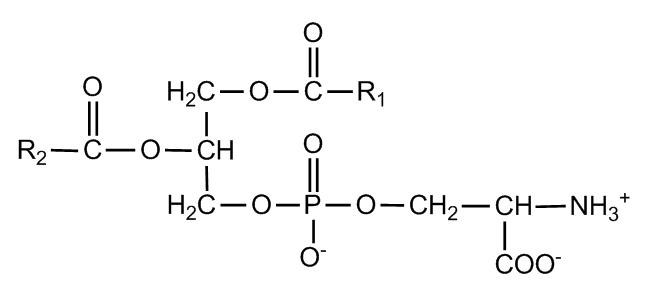
Advantages of Plant-Based PS
Compared to animal-derived sources, plant-based phosphatidylserine powder offers several distinct advantages:
• Sustainable and aligned with vegetarian/plant-based requirements
• Lower allergy risk (free from dairy or animal tissues)
• High market acceptance, suitable for mainstream global products
• Traceable sourcing, facilitating third-party certification (Non-GMO, ISO, Kosher, Halal, etc.)
Soybean-Derived PS: The Traditional Mainstay
1. Sources and Production
Soybeans represent one of the earliest and most prevalent plant sources for Phosphatidylserine Powder Bulk. Industrial production typically utilises by-products from soybean oil processing, such as soybean meal or lecithin, which undergo enzymatic or chemical extraction and conversion to yield high-purity PS raw material. As a major global staple crop, soybeans boast a mature and stable supply chain, establishing them as a consistently reliable raw material choice.
2. Core Characteristics
The extensive global cultivation and processing infrastructure for soybeans ensures consistent raw material supply and stable pricing. This is particularly crucial for B2B clients requiring long-term procurement and bulk production, effectively mitigating raw material cost pressures.
3. Flexible Specifications
Soybean-derived PS is available in multiple purity grades-20%, 50%, 70%, etc.-to accommodate diverse formulation and application requirements. It adapts seamlessly to various product forms, including powders, granules, oils, and capsule-grade materials.
4. Strong Processing Adaptability
This PS source demonstrates excellent stability and compatibility during processing, readily blending with other functional ingredients. It is suitable for capsules, powders, functional foods, and blended nutritional formulations.
5. Application Scenarios
•Functional Supplement Capsules: Ideal for mid-range or mass-market brain and memory formulations.
•Powders and Blended Nutritional Formulations: Combines with vitamins, minerals, or other plant extracts to enhance formulation stability.
•Health food ingredient packs: Suitable for beverage powders, meal replacement powders, or other functional food products.
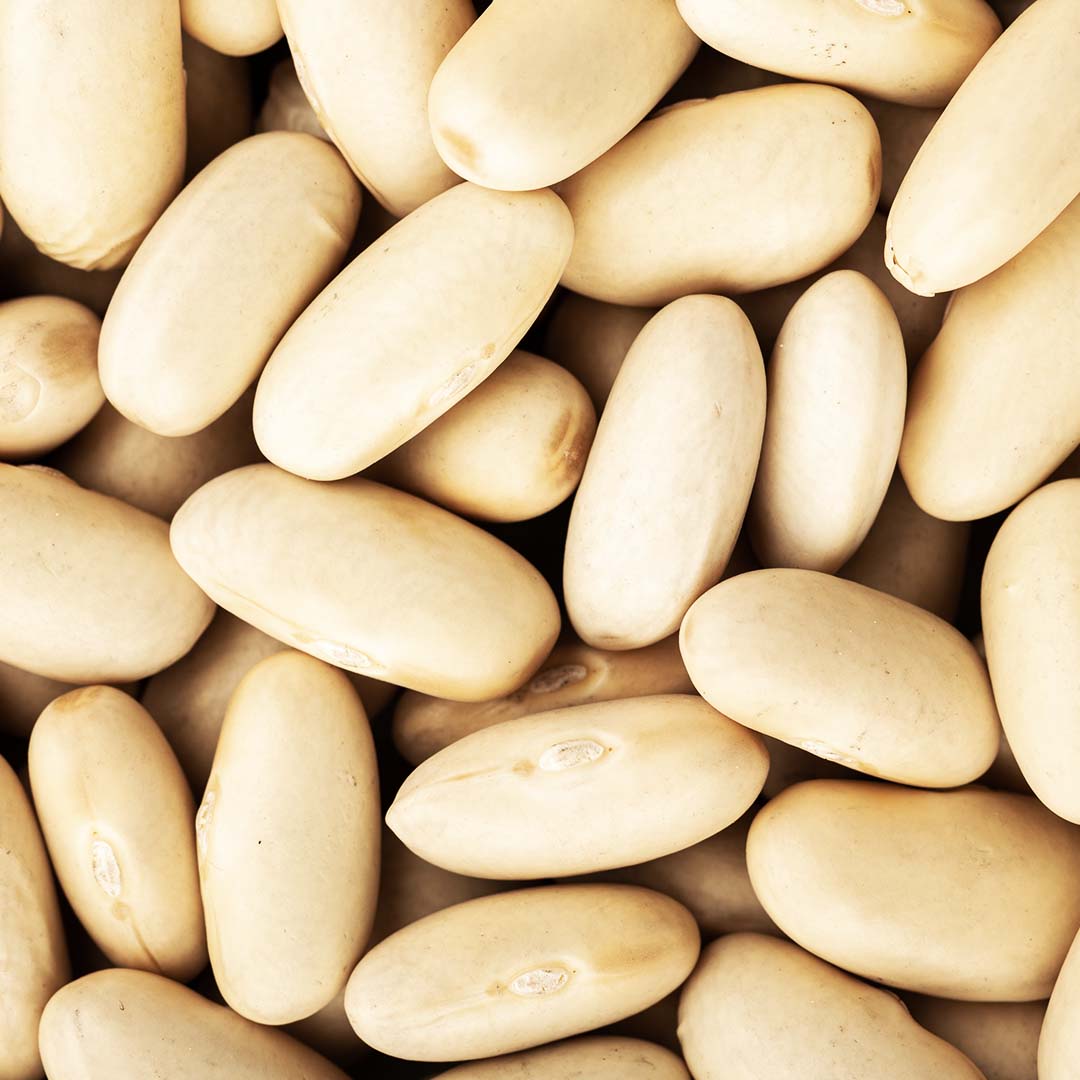
Leveraging cost advantages and a mature supply chain, soy-derived PS remains a primary ingredient in the B2B market, catering to cost-sensitive clients with high demands for stable supply. Concurrently, its diverse specifications and excellent processing adaptability ensure broad applicability across varied product formulations.
Sunflower Seed-Derived Phosphatidylserine: A Premium New Choice
1. Source and Production
Phosphatidylserine supplements derived from sunflower seeds represent a rapidly growing plant-based raw material in recent years. PS is produced by extracting lecithin from sunflower seed oil and its by-products, followed by enzymatic or chemical conversion. Compared to soybeans, sunflower seeds are more readily certified as non-GMO and present a lower allergy risk.
2. Core Characteristics
•Non-GMO Advantage: Sunflower seed-derived raw materials are naturally Non-GMO, better meeting the requirements of premium brands in European and American markets.
•Low Allergen Risk: Compared to soy, sunflower seed PS is more suitable for sensitive individuals, making it ideal for plant-based or clean label products.
•Label-Friendly: Aligns with plant-based and pure formulation trends, facilitating market promotion and brand differentiation.
3. Application Scenarios
•Premium functional supplements: Emphasising plant-based or natural certifications
•Plant-based nutritional powders: Blended with other plant extracts
•Clean-label health foods: Meeting consumer demand for non-GMO and low-allergen products

Despite being marginally more costly than soy, sunflower PS's premium market positioning, low allergenicity, and labelling advantages make it the preferred choice for plant-derived PS.
Selection Recommendations: Based on Market and Formulation Requirements
1. Select according to target market positioning
Mainstream mass market: Budget-sensitive, prioritise stable supply → Soybean-derived PS
Premium / Plant-based / Clean label projects: Consumer focus on ingredient purity → Sunflower seed-derived PS
2. Evaluate formulation characteristics
Different Phosphatidylserine bulk powders exhibit slight variations in odour, colour, and compatibility. Conducting sample testing in carriers such as capsules, powders, or beverages, considering raw material characteristics, aids in optimising final product stability.
3. Raw Material Specifications and Certifications
Reputable suppliers typically provide:
•HPLC purity test reports
•Third-party testing for heavy metals, microbiological content, etc.
•Non-GMO / ISO / Halal / Kosher certifications
•These represent key metrics B2B clients should prioritise in procurement decisions.
FAQ
Q1: What is phosphatidylserine (PS)?
A: Phosphatidylserine (PS) is a phospholipid naturally occurring in plant and animal cell membranes. Plant-derived PS is primarily extracted from soybeans or sunflower seeds for use in functional supplements, health foods, and blended formulations. Its molecular structure ensures good stability in formulations, making it suitable for diverse application formats.
Q2: What distinguishes soybean-derived PS from sunflower seed-derived PS?
A: Soybean-derived PS: Offers stable supply and lower cost, making it suitable for mass-market products. Features flexible specifications (20%, 50%, 70% purity) and good processing adaptability.
Sunflower-derived PS: Non-GMO, low allergenicity, label-friendly, better suited for premium, plant-based or clean-label products, with slightly higher cost.
Q3: Which PS source should I choose?
A: Selection criteria primarily include:
Target market: Soy for mass market; sunflower recommended for plant-based/premium markets.
Formulation requirements: Consider suitability for powder, capsule, beverage, and other forms.
Certification requirements: Whether Non-GMO, ISO, or other third-party certifications are needed.
Q4: What specifications are available for Non-GMO phosphatidylserine raw materials?
A: Common specifications include 20%, 50%, and 70% purity. Multiple product forms such as powder, oil, or capsules are available to meet diverse formulation and product development needs.
Q5: Can it be blended with other ingredients?
A: Yes, PS can be combined with vitamins, minerals, plant extracts, and other ingredients. When selecting sources and specifications, conduct small-scale testing based on formulation characteristics to ensure final product stability and palatability.
Q6: What are PS's key advantages in the B2B market?
A: Stable supply chain: Particularly for soy-derived PS, supporting long-term procurement.
Multiple specification options: Catering to diverse formulation and market demands.
Labelling benefits: Sunflower-derived PS supports plant-based/Non-GMO/clean label claims.
Processing adaptability: Suitable for various product forms including capsules, powders, and beverages.
Partnering with Le-Nutra: Ensuring Every Gram of PS Meets Rigorous Standards
At Le-Nutra, we do more than produce ingredients-we safeguard your brand reputation. Leveraging the strengths of Xi'an's plant extract industry cluster, we offer:
•Dual-Source Supply: Whether classic Soy PS or premium Sunflower PS, we maintain stock to meet diverse product line requirements.
•HPLC-Verified Purity: Our laboratories conduct high-performance liquid chromatography (HPLC) testing on every batch, guaranteeing authentic phosphatidylserine content compliance without compromise.
•Flexible Customisation: Understanding formulators' challenges, we offer specifications ranging from 20% to 70% purity and accommodate special packaging requirements.
•Decade of Global Experience: We are well-versed in European and American testing standards and customs clearance requirements, providing stable assurance from factory to warehouse.
Whether you favour the classic, reliable soybean source or pursue the ultimate purity of the sunflower seed source, Lenotra is committed to being your most dependable partner. Ready to obtain your next batch of premium PS samples? Let us handle the complex supply chain while you focus on changing the world. Request samples now: info@lenutra.com
References:
1. U.S. Food and Drug Administration (FDA): Qualified Health Claims: Phosphatidylserine and Cognitive Dysfunction and Dementia. (Source: fda.gov)
2. Journal of Clinical Biochemistry and Nutrition: Soybean-Derived Phosphatidylserine Improves Memory Complaints of the Elderly.
3. Nutrients Journal: Sunflower Phospholipids as a Promising Alternative to Soy in Food and Supplements.
4. Grand View Research: Phosphatidylserine Market Size, Share & Trends Analysis Report 2024.