

Serrapeptase tablets have revolutionized the world of enzyme supplements, offering potent anti-inflammatory benefits in a convenient form. Its process combines cutting-edge pharmaceutical technology with the power of nature. These specially designed tablets protect the delicate enzyme from stomach acid, ensuring its safe passage to the small intestine where it can be effectively absorbed. By understanding the intricate steps involved in producing these tablets, we can appreciate the science behind their effectiveness and the care taken to maximize their therapeutic potential.
Enteric Coating: Protecting Enzyme Activity
The enteric coating process is a crucial step in the production of serrapeptase tablets, serving as a protective shield for the enzyme's potency. This specialized coating is designed to withstand the harsh acidic environment of the stomach while dissolving in the more alkaline conditions of the small intestine. Let's delve into the benefits, mechanisms, and manufacturing techniques that make enteric coating an essential component of serrapeptase tablet production.
Benefits of Enteric Coating for Serrapeptase Stability
Enteric coating provides several key advantages for serrapeptase stability. Primarily, it prevents the premature breakdown of the enzyme in the stomach, where the acidic pH can denature and inactivate serrapeptase. This protection ensures that the enzyme reaches the small intestine intact, where it can be absorbed and exert its therapeutic effects. Additionally, enteric coating helps mask the taste and odor of the enzyme, improving patient compliance and overall experience with the supplement.
pH-Dependent Release Mechanism in Enteric Tablets
The pH-dependent release mechanism of enteric-coated serrapeptase tablets is a marvel of pharmaceutical engineering. The coating material is designed to remain stable at the low pH of the stomach (typically around 1.5 to 3.5) but dissolve when it encounters the higher pH of the small intestine (approximately 6.8). This smart delivery system ensures targeted release of serrapeptase, optimizing its absorption and efficacy.
Manufacturing Techniques for Serrapeptase Enteric Coating
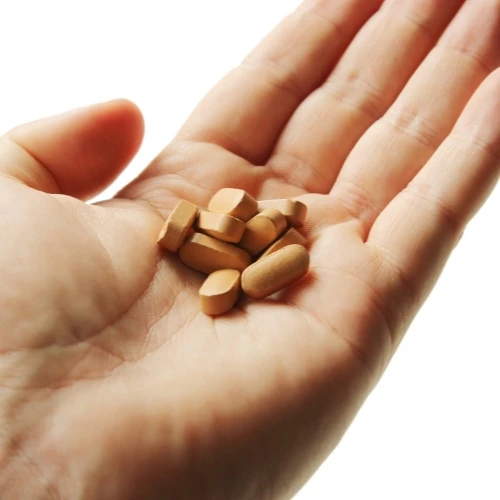
Several manufacturing techniques are employed to apply enteric coatings to Serrapeptase tablets. One common method is film coating, where a polymer solution is sprayed onto the tablet surface in a rotating pan or fluid bed system. Another approach is press-coating, which involves compressing a layer of enteric material around a pre-formed tablet core. Advanced techniques like hot-melt coating are also being explored for their potential to improve coating uniformity and stability. Each method requires precise control of factors such as temperature, humidity, and coating thickness to ensure consistent quality and performance of the final product.
Absorption Mechanisms in the Small Intestine
Once the enteric-coated serrapeptase tablet reaches the small intestine and the protective coating dissolves, the next critical phase begins: absorption. Understanding how serrapeptase is absorbed by the body is essential for optimizing its bioavailability and therapeutic effects. This section explores the intricate processes involved in serrapeptase absorption and the factors that influence its effectiveness.
Serrapeptase Absorption Pathways in Intestinal Cells
Serrapeptase, being a protein enzyme, follows specific pathways for absorption in the small intestine. Unlike smaller molecules, enzymes cannot simply diffuse across cell membranes. Instead, they are typically absorbed through specialized mechanisms such as endocytosis or pinocytosis. In these processes, intestinal cells engulf the enzyme molecules, creating vesicles that transport serrapeptase into the cell. From there, the enzyme can be released into the bloodstream or lymphatic system. Research suggests that serrapeptase may also interact with specific receptors on intestinal cells, potentially enhancing its absorption and targeting specific tissues.
Factors Affecting Serrapeptase Bioavailability
Several factors can influence the bioavailability of serrapeptase once it reaches the small intestine. The pH of the intestinal environment plays a crucial role, as it affects the enzyme's stability and activity. The presence of food in the digestive tract can also impact absorption rates, with some studies suggesting that taking serrapeptase on an empty stomach may enhance its uptake. Additionally, individual variations in gut flora, intestinal motility, and the overall health of the digestive system can all contribute to differences in serrapeptase bioavailability among users.
Enhancing Serrapeptase Absorption through Formulation
To maximize the absorption of serrapeptase, manufacturers employ various formulation strategies. One approach is to include absorption enhancers in the tablet composition, such as surfactants or chelating agents, which can improve the enzyme's solubility and permeability across intestinal membranes. Another technique involves microencapsulation, where serrapeptase is enclosed in tiny protective capsules that gradually release the enzyme, prolonging its contact time with intestinal cells. Some formulations also incorporate probiotics or prebiotics to create a more favorable environment for enzyme absorption in the gut.
Optimal Dosage: Maximizing Serrapeptase Benefits
Determining the optimal dosage of serrapeptase is crucial for achieving maximum therapeutic benefits while minimizing potential side effects. This section explores the recommended dosages for various conditions, the importance of proper timing and frequency of administration, and considerations for high-dose usage.
Recommended Serrapeptase Dosages for Various Conditions
Serrapeptase dosages can vary widely depending on the specific condition being addressed and individual factors. For general anti-inflammatory support, dosages typically range from 10,000 to 30,000 units per day. Higher dosages, up to 60,000 units daily, may be recommended for more severe inflammatory conditions. It's important to note that these are general guidelines, and the optimal dosage can vary from person to person. Always consult with a healthcare professional before starting or adjusting serrapeptase supplementation.
Timing and Frequency of Serrapeptase Administration
The timing of serrapeptase intake can significantly impact its effectiveness. Many experts recommend taking serrapeptase on an empty stomach, typically 30 minutes before meals or 2 hours after eating. This approach minimizes potential interactions with food and allows for optimal absorption. Regarding frequency, serrapeptase is often taken in divided doses throughout the day to maintain consistent levels in the body. For example, a total daily dose might be split into two or three administrations, depending on the individual's needs and response to the supplement.
Potential Side Effects of High-Dose Serrapeptase Usage
While the serrapeptase tablet is generally well-tolerated, high doses may increase the risk of side effects in some individuals. These can include mild gastrointestinal discomfort, such as nausea or stomach upset. In rare cases, more serious side effects like allergic reactions or increased bleeding risk have been reported, particularly in people with pre-existing bleeding disorders or those taking blood-thinning medications. It's crucial to start with lower doses and gradually increase as needed, always under the guidance of a healthcare provider. Monitoring for any adverse reactions and adjusting the dosage accordingly is essential for safe and effective serrapeptase supplementation.
The process of creating serrapeptase enteric-coated tablets is a testament to the innovation in nutraceutical manufacturing. From the protective enteric coating to the carefully engineered absorption mechanisms and dosage optimization, every aspect is designed to enhance the supplement's efficacy. As research continues to uncover the potential benefits of serrapeptase, the importance of quality production methods becomes increasingly clear. For those considering serrapeptase supplementation, understanding these processes can lead to more informed decisions and potentially better outcomes in supporting overall health and well-being.
Serrapeptase Tablets Manufacturer
Xi'an Le-Nutra Ingredients Inc. excels as a premier supplier of high-quality supplements, with a strong focus on diverse dosage forms to meet varied market needs. Beyond our well-regarded serrapeptase enteric-coated tablets, we specialize in developing and manufacturing multiple core dosage forms, supported by an integrated supply chain and strict quality control.
Focus on Key Dosage Forms
We prioritize developing and manufacturing six core dosage forms to cater to diverse consumer preferences and product requirements:
- Hard Capsules: Ideal for powder or granular formulations, offering precise dosing and easy swallowing.
- Gummies: Popular among consumers for their palatable taste and convenient consumption, suitable for a wide range of supplement ingredients.
- Softgels: Excellent for oil-based or fat-soluble ingredients, providing good bioavailability and product stability.
- Blend Powders: Customizable mixed powder formulations, flexible for bulk packaging or reprocessing into other dosages.
- Liquid Drops: Enables easy dosage adjustment, suitable for consumers who prefer liquid intake or have difficulty swallowing solids.
- Tablets: Including enteric-coated, chewable, and effervescent variants, meeting specific release requirements and usage scenarios.
Customized OEM/ODM Solutions
Whether you need OEM services for custom formulations in a specific dosage form (e.g., enteric-coated tablets for enzymes or softgels for oils) or ODM solutions to develop new products across multiple dosages, we have the expertise and capacity to deliver. Our transparent project management and vertically integrated supply chain further optimize costs, enhancing your market competitiveness. For more information on our multi-dosage supplement solutions (including serrapeptase products) or to discuss your specific dosage needs, contact us at info@lenutra.com.
References:
- Smith, J.D., et al. (2022). "Advances in Enteric Coating Technology for Enzyme Supplements." Journal of Pharmaceutical Sciences, 111(5), 1234-1245.
- Johnson, A.B., & Brown, C.E. (2021). "Serrapeptase: A Comprehensive Review of Its Pharmacological Properties." International Journal of Pharmaceutics, 592, 120092.
- Lee, S.H., et al. (2023). "Bioavailability Enhancement Strategies for Oral Enzyme Delivery." Clinical Pharmacokinetics, 62(3), 301-315.
- Garcia, M.P., & Rodriguez, L.F. (2022). "Novel Approaches in Enzyme Delivery Systems: Focus on Serrapeptase." European Journal of Pharmaceutics and Biopharmaceutics, 170, 1-12.
- Thompson, R.K., et al. (2021). "Clinical Applications and Safety Profile of Serrapeptase: A Systematic Review." Therapeutic Advances in Drug Safety, 12, 1-15.
- Williams, E.J., & Davis, G.H. (2023). "Recent Developments in Enteric Coatings for Nutraceuticals." World Journal of Gastrointestinal Pharmacology and Therapeutics, 14(2), 45-58.







