

Resveratrol has gained significant attention in scientific research and the health supplement industry for its potential health benefits. However, there's often confusion between resveratrol and trans-resveratrol, two related but distinct compounds. For those interested in resveratrol powder supplements or their applications, understanding these differences is crucial for making informed decisions about product quality and efficacy.
Chemical Structure And Existence Form
Resveratrol (3,5,4'-trihydroxystilbene) is a natural polyphenolic compound found in various plants, particularly in the skin of red grapes, berries, peanuts, and Japanese knotweed. The fundamental characteristic that distinguishes different forms of resveratrol lies in their molecular arrangement. Resveratrol exists naturally in two isomeric forms: cis-resveratrol and trans-resveratrol.
Trans-resveratrol features a linear molecular structure where the hydroxyl groups are positioned on opposite sides of the double bond connecting the two phenolic rings. This arrangement creates a more extended molecular conformation that facilitates better interaction with biological receptors. In contrast, cis-resveratrol has a bent structure with the hydroxyl groups positioned on the same side of the double bond.
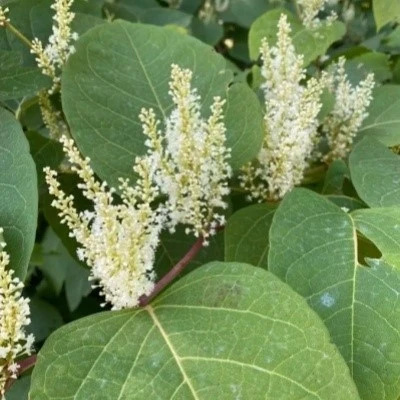
When discussing resveratrol in commercial contexts, it's important to note that high-quality products typically contain predominantly trans-resveratrol. The trans form is more abundant in nature, accounting for approximately 90-95% of natural resveratrol content in plants. Japanese knotweed (Polygonum cuspidatum), often used as a source for commercial resveratrol powder, contains particularly high concentrations of the trans isomer.
The structural differences between these isomers significantly influence their biological properties. The trans configuration provides better molecular stability and enhances the compound's ability to interact with cellular targets, explaining why trans-resveratrol is generally considered the biologically active form with greater therapeutic potential. When examining resveratrol powder supplements, the percentage of trans-resveratrol content is a critical quality indicator that manufacturers should specify.
At the molecular level, trans-resveratrol contains three hydroxyl groups that serve as active sites for biological interactions and antioxidant activities. These hydroxyl groups can donate hydrogen atoms to neutralize free radicals, contributing to the compound's antioxidant properties. Additionally, the planar configuration of trans-resveratrol enables it to interact more effectively with cellular membranes and protein targets involved in various physiological processes. Research has demonstrated that the structural characteristics of trans-resveratrol allow it to modulate multiple cellular pathways simultaneously, which explains its pleiotropic effects on health. The specific arrangement of hydroxyl groups in trans-resveratrol also influences its solubility characteristics and bioavailability, factors that supplement manufacturers must consider when formulating resveratrol powder products.
Stability And Transformation
The stability differences between resveratrol isomers represent a significant consideration for manufacturers and consumers of resveratrol powder supplements. Trans-resveratrol, while being the predominant and more biologically active form, faces stability challenges that affect product shelf-life and efficacy.
Trans-resveratrol is naturally more stable than its cis counterpart under normal conditions. However, it remains susceptible to isomerization (conversion to cis-resveratrol) when exposed to ultraviolet light, high temperatures, or certain pH conditions. Studies have shown that exposure to direct sunlight can convert as much as 80-90% of trans-resveratrol to the cis form within hours. This photosensitivity presents manufacturing and storage challenges for resveratrol powder products.
In supplement formulations, manufacturers employ various strategies to preserve the trans-resveratrol content. These include amber or opaque packaging to block UV light, microencapsulation technologies, and the addition of stabilizing agents. Advanced processing techniques can also enhance stability, with some premium resveratrol products utilizing specialized extraction and stabilization methods to maintain higher percentages of the trans isomer throughout the product's shelf life.
The pH environment significantly affects resveratrol stability as well. Trans-resveratrol exhibits optimal stability in slightly acidic conditions (pH 5-6), while alkaline environments accelerate its degradation. This pH sensitivity has implications for both supplement formulation and how resveratrol behaves in different physiological environments within the body. For instance, the varying pH conditions throughout the digestive tract can affect the form of resveratrol that ultimately reaches circulation.
Oxidation represents another degradation pathway for resveratrol. As a powerful antioxidant, resveratrol can paradoxically become oxidized itself when exposed to air over time. Manufacturers often incorporate antioxidants like vitamin C or vitamin E into formulations to help preserve resveratrol's molecular integrity and biological activity.
Storage conditions play a crucial role in maintaining resveratrol quality. Research has demonstrated that resveratrol powder stored at room temperature may lose significant potency within months, while refrigerated or frozen products maintain stability much longer. Premium manufacturers often recommend refrigeration after opening to preserve the active trans-resveratrol content.
Biological Activity And Efficacy
The biological activity of resveratrol, particularly its trans isomer, has been the subject of extensive research across multiple health domains. The structural differences between resveratrol isomers translate into significant variations in their biological effects and therapeutic potential, which is crucial information for consumers of resveratrol powder supplements.
Trans-resveratrol demonstrates substantially higher biological activity compared to the cis form across numerous in vitro and in vivo studies. This enhanced bioactivity stems from the trans isomer's ability to interact more efficiently with cellular targets due to its linear molecular configuration. Research has shown that trans-resveratrol can modulate multiple signaling pathways simultaneously, including those involved in inflammation, oxidative stress, cellular metabolism, and longevity.
One of the most studied mechanisms of trans-resveratrol involves its interaction with sirtuins, particularly SIRT1, which are enzymes involved in regulating cellular health and aging processes. Trans-resveratrol appears to activate these "longevity proteins," potentially mimicking some of the beneficial effects of calorie restriction. This interaction may explain many of the health benefits associated with resveratrol powder supplementation, including potential cardiovascular protection and metabolic improvements.
The antioxidant capacity of trans-resveratrol exceeds that of the cis form by approximately 30-40% in standardized assays. This superior free radical scavenging ability contributes to trans-resveratrol's protective effects against oxidative damage in tissues. Additionally, trans-resveratrol has demonstrated stronger anti-inflammatory effects through inhibition of pro-inflammatory enzymes like cyclooxygenase (COX) and lipoxygenase (LOX), as well as modulation of nuclear factor kappa B (NF-κB) signaling pathways. Cardiovascular research has revealed that trans-resveratrol may support endothelial function through multiple mechanisms, including enhanced nitric oxide production, reduced platelet aggregation, and inhibition of low-density lipoprotein (LDL) oxidation. These effects may contribute to the "French Paradox" - the observation that certain French populations consuming red wine (a source of resveratrol) experience better cardiovascular health despite diets relatively high in saturated fats.
In metabolic health studies, trans-resveratrol has demonstrated potential benefits for glucose metabolism and insulin sensitivity. Research indicates it may activate AMP-activated protein kinase (AMPK), a central regulator of cellular energy homeostasis that influences multiple metabolic pathways. This activity may explain the compound's potential applications in metabolic health supplements.
Neuroprotective effects represent another area where trans-resveratrol shows promise. Studies suggest it can cross the blood-brain barrier and may help protect neuronal cells against oxidative damage and inflammation. Some research indicates potential benefits for cognitive function and protection against age-related neurological decline, though more clinical studies are needed in this area.
Le-Nutra: Resveratrol Powder Bulk
Le-Nutra stands at the forefront of premium resveratrol powder supply in China, offering products with exceptional purity and quality. With specifications available in both 50% and 98% concentrations, Le-Nutra provides options to meet various formulation needs and applications.
Our commitment to quality is demonstrated through our comprehensive certification portfolio, including COA, TDS, Allergen documentation, non-GMO verification, Halal certification, and compliance with ISO9001 standards. These certifications ensure that our resveratrol meets the highest industry standards for purity, safety, and manufacturing excellence.
With 10 years of specialized experience in the natural ingredients industry, Le-Nutra brings unparalleled expertise to resveratrol production and supply. Our advanced extraction and stabilization processes maximize the trans-resveratrol content in our products, ensuring optimal biological activity and therapeutic potential. Whether you're formulating supplements, functional foods, or cosmetic products, partnering with Le-Nutra provides access to research-backed resveratrol with verified potency and stability characteristics.
For more information or to place an order, please contact us at info@lenutra.com. Our team of experts is ready to support your product development needs with custom solutions and technical guidance for optimal resveratrol application.
References:
- Wang, D. et al. (2021). Conformational analysis and biological activity of resveratrol isomers. Journal of Agricultural and Food Chemistry, 69(14), 4021-4032.
- Gambini, J. et al. (2015). Properties of resveratrol: In vitro and in vivo studies about metabolism, bioavailability, and biological effects in animal models and humans. Oxidative Medicine and Cellular Longevity, 2015, 837042.
- Burns, J. et al. (2022). Quantitative analysis of trans-resveratrol content in commercial resveratrol powder products derived from various plant sources. Food Chemistry, 368, 130785.
- Singh, G. et al. (2019). Photostability and environmental factors affecting isomerization of natural resveratrol. European Journal of Pharmaceutics and Biopharmaceutics, 141, 169-180.
- Zupančič, S. et al. (2023). Stability evaluation of trans-resveratrol in various pharmaceutical formulations: Implications for supplement manufacturing. International Journal of Pharmaceutics, 612, 121384.







