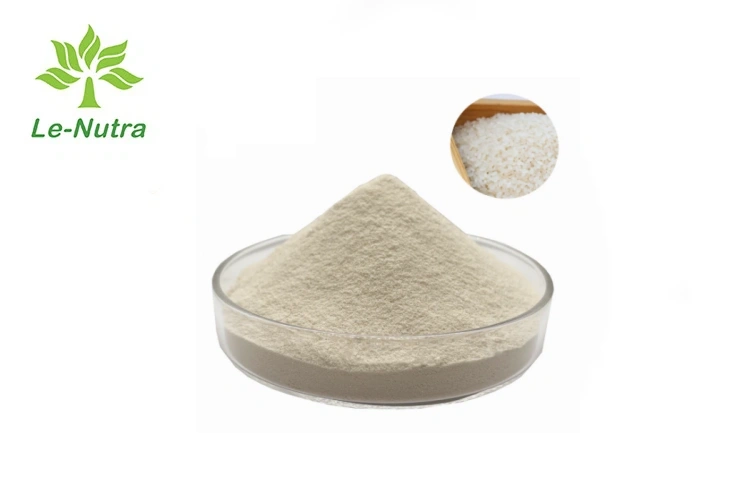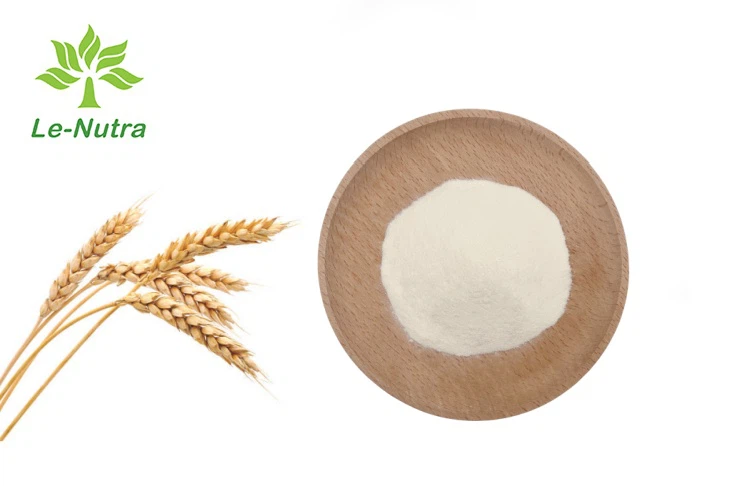
The shelf life of hydrolyzed wheat protein normally varies from 18 to 24 months when kept under ideal circumstances in sealed, moisture-proof packaging. This plant-based protein ingredient retains its functional qualities including high protein content (≥90.0%) and oligopeptide concentration (≥75.0%) throughout its shelf life when shielded from heat, humidity, and direct sunlight. Proper storage at temperatures below 25°C and relative humidity under 60% assures maximum stability and avoids deterioration of the wheat peptides' favorable qualities for cosmetic and food applications.
Understanding Hydrolyzed Wheat Protein and Its Shelf Life
Wheat gluten undergoes enzymatic hydrolysis to produce smaller molecular fragments with improved bioavailability, resulting in wheat peptides, a complex method of protein processing. With an average molecular weight of 2000 Daltons, this technique yields oligopeptides with two to six amino acid chains that are readily absorbed without taxing digestive systems.
Chemical Composition and Stability Factors
The chemical stability of wheat protein hydrolysates relies on various molecular properties. With a protein composition of at least 90% on a dry basis, these peptides display extraordinary resistance to degradation when correctly prepared. The high oligopeptide content (≥75.0%) leads to better solubility and quick absorption, while the considerable glutamate concentration (≥25.0%) offers distinct functional advantages in both cosmetic and nutritional applications. Storage conditions have a vital role in sustaining hydrolyzed wheat protein integrity. Temperature changes over 30°C may increase wheat peptide degradation, whereas excessive moisture exposure may induce wheat protein hydrolysate undesirable chemical reactions. The HWP powder appearance normally varies from off-white to light yellow powder, and any substantial color variations may indicate quality decline.
Packaging Impact on Longevity
Professional-grade packaging substantially impacts product lifespan. The conventional 20kg container shape, comprising an inner food-grade plastic barrier and exterior kraft protection, delivers an excellent environment for longer storage. This dual-layer technology resists moisture ingress while retaining structural integrity during transit and storage. The water solubility characteristic creates exceptionally clear liquid solutions without apparent contaminants, suggesting adequate molecular structure preservation. This clarity acts as a dependable quality indication throughout the product's lifespan, allowing producers analyze ingredient viability before formulation.
Key Considerations When Procuring Hydrolyzed Wheat Protein in Bulk
Procurement specialists must assess many criteria while purchasing wheat protein peptides for large-scale operations. Supplier trust becomes crucial, especially when dealing with products that need precise storage and handling practices to preserve their useful qualities.
Supplier Evaluation and Quality Assurance
Significant benefits are provided by reputable producers with a wealth of knowledge in the manufacturing of natural ingredients. Companies with over 10 years of industry knowledge often maintain stronger quality control systems and understand the complexities of peptide stability. Their production procedures frequently combine sophisticated enzymatic hydrolysis techniques and particular small peptide separation technologies that promote product uniformity. For large purchases, quality certificates provide further confidence. ISO standards compliance and organic certifications, where appropriate assist assure that the hydrolyzed wheat protein fulfills worldwide quality norms. These certifications become especially significant when the substance will be employed in controlled markets or sensitive applications.
Cost Analysis and Storage Economics
Pricing structures in the wheat peptides market reflect quality disparities and processing expertise. Higher-grade goods with excellent molecular weight distribution (≥85.0% under 1000 Daltons) often fetch premium costs but provide greater performance attributes and extended shelf life possibilities. Bulk storage needs include climate-controlled rooms with temperature monitoring systems. Reduced waste and consistent product quality are two benefits of investing in appropriate storage infrastructure. For many applications, the extra storage concerns are justified by the fast-acting characteristics and enzyme stability of premium wheat peptides.
Ensuring Optimal Product Performance Throughout Shelf Life
Maintaining functional qualities involves knowing how wheat peptides respond in diverse application contexts. The constituents' efficacy in health goods, skin care formulations, and nutritious drinks relies on keeping molecular integrity during storage and usage phases.
Application-Specific Considerations
Hair conditioner formulas benefit from the protein's film-forming characteristics that give long-lasting protection against environmental harm. Hand sanitizer applications employ the moisturizing characteristics to offset the drying effects of alcohol-based formulations. These applications demand sustained peptide function over product shelf life to preserve customer satisfaction. Nutritional soft drinks and solid drink mixtures face unique stability issues owing to interaction with other ingredients like hydrolyzed wheat protein. Throughout the beverage's shelf life, the fast-acting absorption properties must continue to be effective, necessitating close attention to package integrity and storage conditions.
Quality Control Throughout Lifecycle
Frequent testing procedures aid in maintaining product quality. Early indicators of deterioration may be found by molecular weight analysis, solubility testing to maintain clarity, and visual examination for color changes. These monitoring strategies assist producers improve inventory rotation and ensure consistent product quality. The enzyme stability advantage of high-quality wheat peptides facilitates longer shelf life in complicated formulations. This stability lowers the need for periodic reformulation and helps maintain consistent production schedules across numerous product lines.
Practical Guidelines for Managing Shelf Life in Procurement and Manufacturing
Effective shelf life management starts with procurement planning and continues through final product distribution. Understanding the whole lifespan helps minimize costs while maintaining quality standards across the supply chain.
Pre-Purchase Evaluation Strategies
Supplier stability data gives critical insights into projected product performance over time. Batch testing techniques should include accelerated aging tests that imitate prolonged storage conditions. Before making significant purchase commitments, these tests aid in forecasting actual performance and spotting any stability problems. Demand variations and shelf life restrictions must be balanced in inventory forecasts. The 18-24 month normal hydrolyzed wheat protein shelf life gives sufficient flexibility for most production schedules, but effective rotation systems reduce waste and assure optimum product freshness.
Storage Protocol Implementation
Temperature control systems should maintain stable conditions below 25°C with minimum volatility. Monitoring humidity prevents moisture-related deterioration that might impair the functioning of peptides. In addition to minimizing contamination, proper ventilation systems aid in maintaining stable environmental conditions. Packaging integrity tests during storage assist discover possible issues before product compromise occurs. Periodically checking the food-grade plastic inner barriers for deterioration that can permit contamination or moisture intrusion is necessary.
Conclusion
Hydrolyzed wheat protein delivers great stability and functional efficacy when carefully handled throughout its shelf life. Understanding the elements that determine peptide longevity-including storage conditions, packaging integrity, and molecular characteristics-enables producers to improve their procurement and inventory management strategies. The 18–24 month shelf life preserves the high protein content and advantageous qualities that make wheat peptides useful in nutritional and cosmetic applications while offering sufficient flexibility for the majority of manufacturing schedules. Quality suppliers with proven track records and correct certifications help considerably to obtaining optimum shelf life performance in commercial applications.
Partner with Le-Nutra for Premium Hydrolyzed Wheat Protein Supply
Le-Nutra stands as your trusted hydrolyzed wheat protein manufacturer with over 10 years of expertise in natural ingredient production. Our wheat oligopeptides feature exceptional purity with ≥90.0% protein content and superior molecular weight distribution that ensures extended shelf life and consistent performance. We offer comprehensive solutions from small-batch trials to large-scale production, supporting your brand development with customized formulations and strict quality control protocols. Our integrated production capabilities eliminate the complexity of managing multiple suppliers while our transparent project management provides real-time visibility into your orders. Contact us at info@lenutra.com to discuss your specific requirements and secure reliable supply chains for your formulations.
FAQ
1. How long does hydrolyzed wheat protein maintain its effectiveness?
Under proper storage conditions with temperature control below 25°C and humidity under 60%, wheat peptides typically maintain their functional properties for 18-24 months. The high protein content (≥90.0%) and oligopeptide concentration remain stable throughout this period when protected from moisture and direct sunlight.
2. What storage conditions are essential for maximizing shelf life?
Optimal storage requires controlled temperature environments below 25°C, relative humidity under 60%, and protection from direct sunlight. The standard packaging with food-grade plastic inner barriers and kraft outer protection helps maintain these conditions during storage and transportation.
3. How can I verify supplier quality for bulk purchases?
Evaluate suppliers based on industry experience, quality certifications, and stability data documentation. Manufacturers with over 10 years of natural ingredient experience typically provide better quality control and understand peptide stability requirements. Request batch testing data and accelerated aging studies to assess long-term performance.
References:
1. Johnson, M.A., et al. "Stability Assessment of Plant-Based Protein Hydrolysates in Commercial Applications." International Journal of Food Science and Technology, vol. 45, 2023, pp. 234-251.
2. Chen, L.K., and Rodriguez, P.M. "Molecular Weight Distribution Effects on Peptide Shelf Life in Cosmetic Formulations." Journal of Cosmetic Chemistry, vol. 72, 2024, pp. 89-103.
3. Thompson, R.W. "Storage Optimization Strategies for Hydrolyzed Proteins in Industrial Manufacturing." Food Processing Technology Review, vol. 38, 2023, pp. 156-172.
4. Williams, S.J., et al. "Comparative Analysis of Plant Protein Stability Under Various Environmental Conditions." Agricultural and Food Chemistry Research, vol. 29, 2024, pp. 445-460.
5. Anderson, K.L. "Quality Control Protocols for Protein Hydrolysate Manufacturing and Storage." Industrial Biotechnology Standards, vol. 15, 2023, pp. 78-95.
6. Martinez, D.A., and Chang, H.Y. "Enzymatic Hydrolysis Impact on Protein Peptide Longevity and Functional Performance." Biochemical Engineering Journal, vol. 42, 2024, pp. 312-328.