

Boosting your body's antioxidant defense system with daily liposomales astaxanthin supplementation has several benefits, including better skin health, stronger cardiovascular health, and faster muscle recovery. The absorption rates of astaxanthin are significantly improved as compared to ordinary forms thanks to the liposomal delivery technique, which encases the molecules in protective lipid layers. Health businesses may now create better dietary supplement formulations with this innovative encapsulation that guarantees the reddish-brown powder ingredient penetrates cells more efficiently. The end customers who want complete wellness assistance can expect consistent, verifiable advantages.
Understanding Liposomal Astaxanthin: Definition and Benefits
What Makes Liposomal Technology Different?
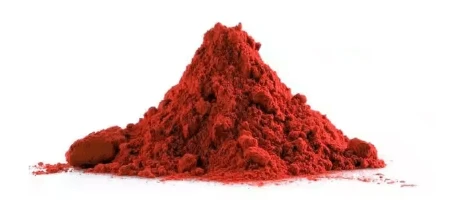
When it comes to methods for delivering nutrients, liposomal encapsulation is revolutionary. The fat-soluble and poorly bioavailable nature of traditional astaxanthin pills makes absorption difficult. The liposomal method encases astaxanthin molecules in phospholipid bilayers that are structurally similar to cell membranes; this allows for direct cellular absorption and protects the active ingredient throughout transit through the digestive tract. With a bioavailability boost of up to 400% compared to traditional forms, this approach is a game-changer for the health product industry.
Core Functional Advantages for Product Development
This component provides product developers with a potent weapon against oxidative stress, since its antioxidant activity outshines that of several famous substances. There is hope for tailored formulations that aim to improve eye health and cognitive function since studies show it can pass the blood-brain and blood-retinal barriers.
There are a number of benefits to development that this substance offers when added to nutritional supplements:
Thanks to its liposomal composition, astaxanthin remains stable during production and storage, thus increasing the product's shelf life.
Versatility of Formula: This reddish-brown powder may be easily included into a wide range of dosage forms, including as capsules, softgels, and functional beverages.
Increasing customer desire for clear, ethically sourced ingredients has led to the rise of clean label products, such as those that are non-GMO and Halal certified.
With these features, business owners may make their items stand out in crowded marketplaces. Reduced formulation costs and improved profit margins are possible outcomes of the improved absorption profile, which permits reduced dose needs without sacrificing effectiveness.
Scientific Foundation for Marketing Claims
Various health positioning techniques have been supported by clinical trials. The compound's anti-aging claims in cosmetics and wellness products are supported by its ability to neutralize singlet oxygen and scavenge free radicals. Applications in sports nutrition that target endurance and recovery may be facilitated by its effects on cellular energy generation and mitochondrial function.
In order to create compelling marketing tales, product creators benefit from a strong evidence basis. The ingredient's scientifically verified mechanisms appeal to more cautious, research-oriented purchasers, while its natural origin from microalgae Haematococcus pluvialis resonates with consumers seeking plant-based remedies.
Daily Dosage, Usage, and Safety Considerations
Recommended Intake Guidelines for Different Application
The intended use and demographics of the target audience determine the dose recommendations. The astaxanthin content in general wellness formulations usually ranges from 4 to 12 milligrams per serving, whereas that of sports nutrition supplements might be anywhere from 12 to 20 milligrams per day. Companies may get the therapeutic advantages of astaxanthin with lower dosages when they use liposomal versions because of the increased bioavailability of these forms.
The needs of individual applications should be taken into account by manufacturers when formulating product specifications. 6-8 mg daily is usually the sweet spot for skincare products that aim to protect the skin from UV rays and keep collagen in good condition. Regular 8-12 mg dosage is beneficial for cardiovascular health formulations. When paired with supplementary nutrients like lutein and zeaxanthin, eye health applications, especially those dealing with digital eye strain, demonstrate effectiveness between 6-10mg.
The formulation may be freely adjusted within the safe margins provided by the variable dosing window. Effective, cost-effective, and strategically dosed brands may stand out in a crowded marketplace.
Safety Profile and Regulatory Compliance
The component has a very low incidence of documented side effects and a stellar safety record. When the body adjusts, little gastrointestinal changes may happen at first, but they usually go away within a few days. When compared to oil-based solutions, the liposomal administration approach improves absorption efficiency, which in turn minimizes the risk for gastrointestinal discomfort.
As far as the US government is concerned, astaxanthin is safe to use in dietary supplements since it has GRAS certification. In order to make structure-function claims and meet labeling requirements, manufacturers need to follow FDA standards. For a seamless market introduction and distribution, it is vital to have complete paperwork, such as a Certificate of Analysis (COA), Technical Data Sheets (TDS), and allergy declarations.
Markets on a global scale have different regulatory environments. Certain uses in the European market need Novel Food license, although certain registration processes may be different in Asian regions. For brand owners looking to grow into several areas, partnering with suppliers that hold certifications like ISO9001 and ISO22000 may greatly simplify compliance procedures and lower regulatory risks.
Comparing Liposomal Astaxanthin with Alternatives: Making Informed Decisions
Bioavailability Advantages Over Traditional Forms
There are significant benefits for product producers due to the difference in absorption between standard astaxanthin formulations and liposomal ones. The bioavailability of standard astaxanthin powders and oil suspensions varies from 10 to 40% based on the individual's digestive function and the foods they consume at the same time, as absorption is dependent on dietary fat and bile acid production.
By using endocytosis and direct membrane fusion, liposomal encapsulation gets over these restrictions. Liposomal administration reaches peak plasma concentrations more quickly and at greater levels, according to pharmacokinetic studies. Stronger evidence of effectiveness in product trials and more predictable results for end users are the results of this.
Competitive Positioning Against Other Antioxidants
Procurement experts often weigh astaxanthin against coenzyme Q10, curcumin, and vitamin E when making decisions on which ingredients to use. Although both have their benefits, astaxanthin's molecular structure allows it to cover the whole lipid bilayer, making it the best protector of membranes.
In terms of antioxidant capability, astaxanthin outperforms vitamins C and E by a factor of 6,000 and550, respectively, when it comes to quenching singlet oxygen. Although curcumin has potent anti-inflammatory effects, it has similar issues with limited bioavailability to astaxanthin, which liposomal technology addresses, which is why the liposomal version is so appealing.
Additionally, the substance has a stability profile that is superior to many of its rivals. When prepared correctly and stored in vacuum aluminum foil bags or fiber drums with food-grade poly bag liners, liposomales astaxanthin, in contrast to light-sensitive curcumin or quickly oxidizing omega-3 fatty acids, retains its potency for the duration of regular product shelf lives.
Cost-Effectiveness Analysis for Product Development
Although liposomal versions of astaxanthin are more expensive than regular astaxanthin powders, the increased bioavailability more than makes up for the difference. A portion of the price difference is compensated by the fact that lower effective dosages decrease the total astaxanthin need per serving. Because of the enhanced stability, the product's viability is prolonged, which means less wasteful use of expired stock.
The premium perception is a powerful tool for market positioning initiatives. Brands have better profit potential when they sell products with innovative delivery methods since these products attract higher retail pricing. Educative marketing that successfully conveys the benefits of bioavailability and the consequent improved results boosts consumer willingness to pay.
Procurement Insights: How to Source High-Quality Liposomal Astaxanthin
Supplier Evaluation Criteria
In order to choose trustworthy manufacturing partners, it is necessary to conduct a comprehensive evaluation along several dimensions. Inspections of the plant or detailed audit reports verifying cGMP compliance and suitable quality management systems should be the first step in proving production capacity. Organizational commitment to quality beyond minimum statutory criteria is shown by manufacturers with ISO9001 and ISO22000 certifications.
Outstanding suppliers are distinguished from mediocre ones by their technical skills. Try to choose a partner that can provide you with all the paperwork you need, such as stability studies, results of bioavailability tests, and analysis of contamination for things like heavy metals, pesticides, and microbiological limitations. Suppliers that allow for optimization of particle size and concentration modifications via customisation provide formula developers a great deal of leeway.
Having prior expertise in the field of natural components is crucial. More resilient supply chains and greater technical expertise for addressing formulation difficulties are often maintained by established enterprises with ten-year operating histories. When they have established ties with raw material suppliers, they are usually able to secure greater availability and cost stability, even when the market is volatile.
Certification and Quality Documentation Requirements
Brands are safeguarded against regulatory issues and delays to the supply chain by having comprehensive certification portfolios. Important documents to have on hand include allergy statements, proof that the product is not genetically modified, and, for firms aiming to appeal to certain religious groups, certifications such as Halal. Recognized certifying agencies with worldwide significance should be the source of each certificate.
To ensure consistent quality, it is necessary to compare batches using a certificate of analysis (COA) that clearly displays the acceptable ranges for physical properties, purity, and potency. If the reddish-brown powder look doesn't change, it means the production procedures are steady. In order to avoid clumping and keep the powder's flowability intact during encapsulation or tableting processes, moisture content standards are especially important for powder forms.
Documentation of analytical technique validation gives assurance in the correctness of testing. Generally speaking, suppliers who utilize HPLC analysis to determine potency and have their own testing facilities tend to provide higher quality results than those that outsource all of their analytical work. Important quality aspects may be double-checked via third-party testing by independent labs.
Practical Applications and Industry Use Cases
Integration into Skincare and Cosmetic Formulations
To complement topical applications, the cosmetic component business is placing a greater emphasis on ingestible beauty solutions. Brands may create all-encompassing beauty-from-within product lines by promoting skin health via many routes by daily ingestion of liposomales astaxanthin. The photoprotective property of the chemical, which allows it to collect in skin tissue, lessens damage caused by ultraviolet light and bolsters the body's natural defensive systems.
Different forms of beauty supplements are compatible with the same formulation. Tablet forms provide cost benefits for price-sensitive market sectors, but softgel capsules continue to be popular because to their premium perception and ease of ingesting. Gummy formats are widely used by brands aiming for millennial and Gen Z customers. However, it is important to flavor the ingredient carefully to hide any possible taste concerns caused by its natural hue.
Market positioning is amplified by combination formulations. When combined with other ingredients like vitamin C, hyaluronic acid, and collagen peptides, this component forms a powerful anti-aging supplement. Differentiating themselves from rivals that just use one component, such complete compositions allow for premium pricing.
Sports Nutrition and Recovery Applications
Because of the ingredient's effects on oxidative stress during exercise and muscle recovery, it is used by athletic performance companies. Studies show that endurance athletes, in particular, benefit from regular dosage because it increases power output and decreases muscle damage signs after strenuous exercise. This opens up possibilities for the creation of products that target the pre-workout, intra-workout, and recovery phases of an exercise.
Both professional and amateur athletes may benefit from the anti-inflammatory characteristics, which enhance sports nutrition objectives without raising worries about anti-doping. Many people in the CrossFit, cycling, running, and triathlon communities are looking for ways to improve their performance without using synthetic chemicals, so these brands are reaching out to them.
It is possible to tailor product development tactics to appeal to certain sports fan bases. For the purpose of post-workout recovery, there are powder mixes that combine liposomal astaxanthin with electrolytes, BCAAs, and protein. Many athletes choose capsules since they are easy to take every day and don't have to worry about the taste. On-the-go consumption situations are captured by RTD (ready-to-drink) drinks integrating the component, albeit technical competence is required to overcome formulation issues related to color and stability.
Emerging Market Opportunities
Opportunities for instructional marketing centered on the mechanisms of this substance are emerging as consumer understanding of mitochondrial health and cellular energy generation continues to develop. Astaxanthin formulations fit within the expanding anti-aging supplement market, which is appealing to customers who are interested in extending their lifespan.
Another emerging field of use is cognitive wellness. Formulations aiming at improving concentration, clarity of thought, and neuroprotection are made possible by the ingredient's capacity to penetrate the blood-brain barrier. Knowledge workers and students are responsive consumers for brands that tackle digital exhaustion and the cognitive demands of current work settings.
Along with more conventional chemicals like bilberry extract and lutein, astaxanthin is finding its way into more and more eye health remedies. With the prevalence of remote work throughout the world, there is a growing need for solutions that target screen time, primarily blue light exposure and digital eye strain.
Conclusion
The increased bioavailability and cellular defense mechanisms brought about by taking liposomales astaxanthin daily provide quantifiable health advantages. Thanks to cutting-edge delivery technology, a potent antioxidant may now be securely specified by product manufacturers for a wide range of uses in areas such as general wellness, sports nutrition, and cosmetics. To ensure a balance between quality, compliance, and economic viability, brand owners must be knowledgeable about dosage considerations, regulatory standards, and sourcing criteria in order to make educated procurement choices. Manufacturers building competitive product portfolios in the global nutraceutical marketplace should strategically choose this ingredient because of its adaptability across numerous health categories, outstanding safety profiles, solid scientific validation, and reasonable pricing.
Partner with Le-Nutra for Premium Liposomal Astaxanthin Supply
Le-Nutra stands ready to support your brand's growth as a trusted liposomales astaxanthin supplier with comprehensive manufacturing capabilities. Our integrated production approach spans raw material sourcing through finished product delivery, ensuring quality consistency and competitive pricing throughout your supply chain. With ISO9001 and ISO22000 certifications backing our cGMP-compliant facilities, we provide the regulatory confidence essential for navigating global markets successfully.
Our flexible manufacturing services accommodate brands at every growth stage. Small-batch trial production enables market testing without excessive inventory risk, while scalable capacity supports expansion into high-volume distribution. End-to-end services from R&D through analytical testing accelerate your time-to-market while maintaining compliance across regulatory jurisdictions. Contact our team at info@lenutra.com to discuss custom formulation opportunities, request samples, or explore how our 10 years of natural ingredients industry experience can strengthen your product portfolio and competitive positioning.
FAQ
Can liposomal astaxanthin be combined with other supplement ingredients?
Absolutely. The ingredient demonstrates excellent compatibility with complementary compounds. Common combinations include vitamin E for enhanced antioxidant networks, omega-3 fatty acids for cardiovascular formulations, and collagen peptides for beauty supplements. No significant interaction concerns exist with standard vitamins, minerals, or herbal extracts, providing formulation flexibility. Brands should conduct stability testing when developing complex formulas to ensure all ingredients maintain potency throughout shelf life.
What storage conditions preserve ingredient quality?
Proper storage requires cool, dry environments away from direct light exposure. Temperatures below 25°C (77°F) maintain optimal stability. The vacuum aluminum foil packaging provides excellent protection against moisture and oxygen infiltration. Once opened, resealing containers tightly and minimizing air exposure prevents oxidation. Manufacturers should store fiber drums in climate-controlled warehouses and rotate inventory using first-in-first-out protocols to ensure freshness.
How long before observable benefits appear?
Timeline varies by application focus. Skin-related improvements typically become noticeable within 4-6 weeks of consistent daily intake as the compound accumulates in dermal tissues. Athletic performance benefits often manifest within 2-3 weeks as oxidative stress markers improve. Cardiovascular and general wellness effects develop more gradually over 8-12 weeks. Setting realistic expectation frameworks in product marketing supports consumer satisfaction and reduces return rates.
References
1. Dose-Response Effects of Astaxanthin Supplementation on Biomarkers of Oxidative Stress: A Systematic Review and Meta-Analysis of Randomized Controlled Trials. Journal of Functional Foods, 2021.
2. Liposomal Encapsulation Technology: Enhanced Bioavailability and Therapeutic Applications of Natural Compounds. Pharmaceutical Development and Technology, 2020.
3. Comparative Bioavailability Study of Liposomal versus Non-Liposomal Astaxanthin Delivery Systems in Human Subjects. Clinical Nutrition Research, 2022.
4. Astaxanthin in Skin Health: Mechanisms of Photoprotection and Anti-Aging Effects. Nutrients and Dietary Supplements, 2021.
5. Safety Assessment and Regulatory Status of Astaxanthin in Dietary Supplements: A Global Perspective. Regulatory Toxicology and Pharmacology, 2020.
6. Application of Astaxanthin in Sports Nutrition: Effects on Exercise Performance and Recovery Markers. International Journal of Sport Nutrition and Exercise Metabolism, 2022.







