

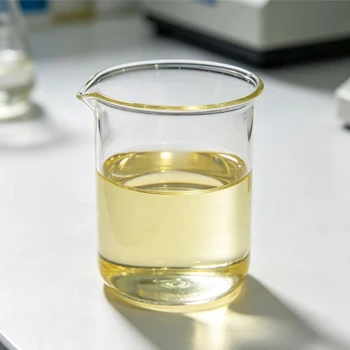
Isononyl isononanoate, sometimes known as "synthetic silk oil," is a high-quality ester produced by chemically combining isononyl alcohol with isononanoic acid. A synthetic ester, having the CAS numbers 59219-71-5 and 42131-25-9, is made by mixing branched-chain carboxylic acids with branched-chain fatty alcohols in a highly regulated industrial setting. The end product is a clear, odorless liquid that may hydrate and fortify skin barriers without leaving behind any oily residues; its hue ranges from colorless to yellowish. Procurement experts can better source this ingredient in accordance with formulation objectives and regulatory requirements if they are aware of where it comes from.
Understanding Isononyl Isononanoate: Origin and Chemical Properties
Two main ingredients, isononyl alcohol and isononanoic acid, are used to make this multipurpose ester. Because of the increasing focus on sustainability in the cosmetic ingredient industry, bio-based alternatives to the conventional hydroformylation and oxidation procedures that generally source these components from petrochemical feedstocks are beginning to appear.
Synthesis Process and Raw Material Sources
Isononyl alcohol is made by hydroformylating octene, which results in a nine-carbon alcohol molecule with several branches. The equivalent isononanoic acid forms a branching nine-carbon carboxylic acid by following a similar process. The stable ester molecule known as isononyl isononanoate is formed when these components go through esterification, a process that bonds acid and alcohol molecules while releasing water. When contrasted with natively produced alternatives, which may exhibit substantial batch-to-batch variation owing to agricultural variables, this synthetic method provides superior control over purity and consistency.
What makes this substance stand out is its branching molecular architecture. Formulators greatly like the branched structure because it produces a light, rapidly dispersing sensory profile, in contrast to the heavy or occlusive qualities of straight-chain esters. The finished product satisfies rigorous cosmetic-grade standards thanks to modern manufacturing techniques that produce purity levels above 98% via distillation and filtration.
Chemical Characteristics and Performance Attributes
The chemical stability, spreadability (around 1,000 mm²/10 min), and low viscosity (about 5-8 mPa·s at 25°C) of this synthetic ester are exceptional. In premium grades, the acid value is kept below 0.5 mg KOH/g, which means that there is minimum free acid content. This means that there is little chance that the formulation might irritate skin or lose its stability. Technical characteristics that are regularly checked by quality control labs include a saponification value of 165-180 mg KOH/g and a refractive index of about 1.43-1.44.
In contrast to natural oils, which include unsaturated fatty acid chains that are susceptible to oxidation, this synthetic structure that is entirely saturated successfully resists rancidity. When kept correctly in airtight containers, away from heat and light, this oxidative stability significantly increases the product's shelf life, which is especially helpful for formulators dealing with active substances that are sensitive to these conditions.
Cosmetic Applications and Benefits of Isononyl Isononanoate
This ingredient's distinctive molecular structure allows it to provide real benefits in formulations for a wide range of products. Because to its low viscosity and hydrophobic properties, it is very adaptable and may solve typical formulation problems faced by brand owners.
Performance Benefits in Skincare Formulations
A unique "powdery" or "velvet" after-feel is produced by this emollient, which diminishes the impression of oiliness while maintaining moisturization. It promotes better moisture retention and natural transpiration when applied to skin in the form of a film that is both breathable and non-occlusive. Brands aiming for mixture skin types, where customers want moisture but don't want it to be too heavy or shiny, will find this product's balanced performance especially useful.
The skin barrier function seems to be enhanced over time in formulations that include this chemical, according to clinical findings. The ester is able to reduce transepidermal water loss by integrating into the stratum corneum and sustaining the lipid matrix, which is structurally identical to skin lipids that exist naturally. Products formulated for skin with damaged barrier function, as a result of aging, environmental stress, or too severe washing, benefit greatly from this substance, according to brand owners.
Advantages Over Alternative Emollients
There are a number of key differences between this synthetic ester and its counterparts, such as caprylic capric triglyceride, squalane, and dimethicone. The emollient caprylic capric triglyceride, made from coconut or palm kernel oil, may oxidize over time and has a somewhat thicker texture when applied to the skin. Due to its much higher price point, squalane impacts formulation costs for budget-conscious manufacturers, despite its remarkable compatibility with skin lipids. Regulatory scrutiny is growing in several areas on worries about dimethicone's environmental persistence, despite the fact that it produces velvety smoothness.
The synthetic silk oil provides a happy medium, with sensory qualities similar to silicone but without the regulatory headaches, better oxidative stability than natural oils, and a fraction of the price of high-end botanical equivalents. Because of this equilibrium, it is especially appealing to new health businesses who are trying to distinguish their goods on a small budget with a short time to market.
Comparison and Selection Guide for Procurement
When assessing cosmetic emollients, procurement experts need to keep in mind a number of aspects, including sensory performance, cost structure, regulatory compliance, and the dependability of the supply chain. For certain formulation aims, this synthetic ester provides clear benefits, placing it in a prominent place among ingredients.
Evaluating Purity Grades and Quality Documentation
Certificates of Analysis (CoAs) and Material Safety Data Sheets (MSDSs) are essential pieces of paperwork for high-quality cosmetic-grade products. The acid value should be less than 0.5 mg KOH/g, the color grading should be less than 30 APHA/Hazen (ideally less than 10), and the water content should be less than 0.1% according to the Karl Fischer technique. For ultimate grades, it should preferably be less than 0.1. If the purity level is more than 98%, the results from the gas chromatography should validate the isomer distribution that gives the product its constant sensory qualities.
Toxicological safety for leave-on applications is guaranteed by heavy metal testing according to USP or EP standards. Authentic vendors meet the standards set by North American and European regulators by testing their products for arsenic, lead, mercury, and cadmium in each batch. Before committing to big production runs, private label purchasers beginning their first product line should seek these documentation ahead. This will help set quality standards.
Supplier Reliability and Sourcing Considerations
Consistency from batch to batch is what differentiates legitimate providers from those just looking to make a quick buck. Consistent acid levels, color, and viscosity across batches are the result of stringent process controls maintained by well-established producers. This uniformity eliminates formulation drift, which is a major worry for ODM purchasers honing existing formulae as even little changes might impact customer perception, and which could impact product performance or sensory qualities between production runs.
As more and more consumers demand that firms prove they source ethically, supply chain transparency has taken center stage. The first components may have ties to agricultural supply chains (alcohols or acids obtained from palm trees), but this chemical is synthetic and not sourced from nature. Proactive purchasing groups that care about sustainability should find out if palm-derived feedstocks are RSPO Mass Balance certified so they may address environmental problems without sacrificing performance or accessibility.
Procurement Considerations for European and American B2B Clients
A thorough familiarity with the commercial terminology that affect overall landed costs, as well as regional dynamics and logistical limitations, is essential for successfully navigating the worldwide supply chain for speciality cosmetic ingredients.
Sourcing Strategies and Supplier Identification
European, American, and Asian chemical companies that focus on specialized esters produce synthetic silk oil that is suitable for cosmetic use. While Asian manufacturers compete on price and flexibility around minimum order numbers, European suppliers generally emphasize regulatory compliance and environmental efforts as premium offerings. Distributors in North America often play the role of middlemen, handling international logistics while providing local inventory and technical assistance.
Direct ties with manufacturers, negotiating yearly contracts to secure supply and lock in cost, are preferred by OEM purchasers with well-defined formula needs and well-established brands. Meanwhile, distributor arrangements that allow smaller first purchases (typically 200-500 kg) without demanding long-term commitments may be beneficial for new health brands with limited finances and unknown sales expectations.
Commercial Terms and Logistics Planning
Plastic and steel 20-, 25-, and 200-kilogram barrels are offered as standard packaging choices, with bespoke packaging also being a possibility for greater volume commitments. When doing business internationally, the most frequent payment method is T/T (telegraphic transfer), yet long-term customers may be able to negotiate open account conditions based on their payment history. For smaller sample orders, you can still use Western Union or PayPal, and if you're a first-time foreign buyer worried about paying in advance, you may use Alibaba Trade Assurance.
For in-stock products, the usual lead time is two to four weeks; for bespoke packaging or exceptional purity grades, it may be six to eight weeks. When making plans for production timelines, procurement managers should factor in shipping time (which may range from two weeks to six weeks depending on origin and destination) and customs clearance time. Due to the high cost premium, air freight is only practicable for limited quantities or significant supply shortages, although it may condense timeframes for urgent needs.
Future Trends and Sustainability of Isononyl Isononanoate
Transparency, environmental consciousness, and performance innovation are driving forces in the cosmetic ingredient landscape's fast evolution. The transition to more environmentally friendly chemistry and the concepts of the circular economy provide both possibilities and threats for this synthetic ester.
Emerging Sustainability Considerations
Synthetic esters have benefits in oxidative stability and batch uniformity, however conventional manufacturing processes are criticized by eco-conscious companies and customers due to their petrochemical origins. Rather than refining petroleum, biotechnology platforms might ferment isononyl isononanoate alcohol and isononanoic acid, creating a bio-based synthesis method that uses renewable feedstocks. Several chemical corporations are investing in this area of research.
Another area of emphasis is biodegradability. Under controlled laboratory settings (OECD 301 standards), this ester biodegrades to a respectable degree, albeit it is slower than that of many natural oils. Ingredients that decompose quickly in wastewater treatment systems are highly prized by formulators of rinse-off solutions because they lessen the product's influence on aquatic ecosystems. Inquire about biodegradation statistics and look into suppliers who are investing in greener synthesis approaches if procurement teams want to match sourcing strategies with corporate sustainability objectives.
Innovation and Supply Chain Resilience
Proactive procurement experts know that when sourcing ingredients, it's important to think about both short-term costs and long-term supply security. To lessen the impact of regional interruptions like natural catastrophes, legislative changes, or geopolitical unrest, it is wise to spread out supplier ties over many areas. At least two recognized suppliers should be qualified by private label and ODM customers who are refining existing recipes. Periodic audits should be conducted to ensure quality standards while educated bargaining should preserve competitive pricing.
When next-generation ingredients become economically viable, businesses may embrace them with the help of suppliers that have shown a commitment to innovation via their partnerships. Chemical companies who put money into bio-based feedstocks, better purification methods, or better sustainability paperwork will probably be able to charge more for their products as customer demands keep rising. Instead of focusing on transactional vendor relationships, owners of health food and health product brands looking to develop a long-term presence in the market should create ties with partners that concentrate on innovation.
Conclusion
Isononyl isononanoate is a synthetic ester that was meticulously built from branched-chain alcohols and acids. It provides cosmetic formulators with a rare mix of sensory elegance, chemical stability, and formulation flexibility. Sourcing selections that strike a balance between performance needs, regulatory compliance, and cost limitations may be made by procurement specialists with an understanding of its petrochemical sources, synthesis methods, and technical specifications. Through improved documentation transparency and bio-based synthesis pathways, this well-established ester is continuing to evolve in response to the changing ingredient selection criteria driven by sustainability concerns. Evaluating the role of this ingredient in formulation strategies while staying aware of emerging alternatives and shifting market dynamics is beneficial for brand owners across the board, from startups that require small-batch flexibility to established companies that demand supply chain resilience.
Partner with Le-Nutra for Premium Cosmetic Ingredient Sourcing
Le-Nutra provides extensive contract manufacturing services and cosmetic-grade isononyl isononanoate to owners of health food and health product brands, drawing on their ten years of experience in the natural and synthetic ingredients sector. Avoid the hassle of juggling various suppliers with our integrated manufacturing capabilities, which include everything from procuring raw materials to delivering completed products. We guarantee competitive price and supply consistency.
Flexible solutions suited to your unique requirements are what we provide, whether you're an experienced OEM buyer looking for complete customisation capabilities or a startup health brand needing small-batch trial manufacturing. You can see the progress of your order in real time thanks to our transparent project management and quality assurance procedures that follow cGMP and ISO standards. Drums available in 20kg, 25kg, and 200kg capacities, with bespoke alternatives also available, to meet the needs of customers with varying order quantities and logistical preferences.
As a trusted isononyl isononanoate supplier, we understand the procurement challenges facing brand owners in competitive markets. Our technical team provides formulation support, regulatory guidance, and documentation assistance, accelerating your product development timeline while mitigating compliance risks. Contact our team at info@lenutra.com to discuss your ingredient requirements and discover how our vertically integrated supply chain can optimize your costs and strengthen your market position.
FAQ
Is isononyl isononanoate safe for sensitive skin formulations?
This synthetic ester is generally considered non-irritating and non-comedogenic, making it suitable for sensitive skin applications. Its low acid value (below 0.5 mg KOH/g in quality grades) minimizes irritation potential, while its non-occlusive nature prevents pore blockage that could exacerbate acne-prone skin conditions. Clinical patch testing and human repeat insult patch tests (HRIPT) consistently demonstrate excellent tolerance across diverse skin types.
How does it compare to squalane in terms of performance and cost?
Both ingredients function as lightweight emollients with excellent skin compatibility. Squalane offers closer structural similarity to human sebum lipids, providing slightly superior biomimetic properties, but typically costs 2-3 times more than synthetic silk oil. The latter delivers comparable sensory benefits-dry, non-greasy feel with good spreading-at a more accessible price point, making it attractive for cost-conscious brands without compromising perceived quality.
What documentation should procurement teams request from suppliers?
Essential documents include Certificate of Analysis confirming purity, acid value, color, and water content; Material Safety Data Sheet detailing handling and safety information; and allergen declaration statements. Additional valuable documentation includes heavy metals testing results, biodegradation data, and RSPO certification if palm-derived feedstocks are used. Reputable suppliers provide these documents routinely for each production lot.
References
- Barel, A.O., Paye, M., and Maibach, H.I. (2014). Handbook of Cosmetic Science and Technology, 4th Edition. CRC Press, Boca Raton, Florida.
- Burnett, C.L., Bergfeld, W.F., Belsito, D.V., et al. (2017). Safety Assessment of Synthetic Fluids, Alcohols, and Esters as Used in Cosmetics. International Journal of Toxicology, 36(3S):5S-67S.
- Dweck, A.C. and Meadows, T. (2018). Emollients and Moisturizers in Cosmetic Formulation. Cosmetics & Toiletries Magazine, Manufacturing and Formulation Guide.
- Pensé-Lhéritier, A.M. (2020). Formulation and Production of Cosmetics. Wiley-VCH, Weinheim, Germany.
- Rosen, M.R. (2012). Delivery System Handbook for Personal Care and Cosmetic Products: Technology, Applications and Formulations. William Andrew Publishing, Norwich, New York.
- Steinberg, D.C. (2015). Cosmetic Esters: Structure, Properties and Applications. AOCS Press, Urbana, Illinois.







