

Lycopene powder is clearly the best form of lycopene to use in business settings. This dark red powder comes mostly from Lycopersicon esculentum (tomatoes), and it is more stable, bioavailable, and flexible in how it can be used than raw oleoresins or basic tomato extracts. Advanced microencapsulation and spray-drying technologies make lycopene powder the best ingredient for B2B companies in the dietary supplements, functional foods, and cosmetics markets. It solves important problems in these areas, such as oxidative instability, handling issues, and inconsistent dosing.
Lycopene and Forms
Lycopene (CAS 502-65-8) is a strong antioxidant carotenoid that gives tomatoes and other foods their red color. It is a lipophilic chemical with 11 conjugated double bonds that works well to quench singlet oxygen. It protects against free radicals about twice as well as beta-carotene.
Natural vs Synthetic Lycopene Sources
Lycopene comes from tomato fruit that has been extracted using chemicals and cleaning methods to concentrate the active carotene. Instead, fermentation of Blakeslea trispora is a natural way to make something else. Even though synthetic lycopene is scientifically the same, people in clean-label markets are skeptical of it. Natural ways of extraction keep phytonutrients that work well with each other, which increases the total bioactivity and market appeal.
Commercial Forms Available in the Market
The ingredient comes in a number of different forms, each of which meets different production needs. Although raw lycopene oleoresin is very strong, it is hard to work with because it is thick and oily. Softgel pills make it easy for end users to take their medicine, but they limit the freedom of B2B formulations. Standardized lycopene powder forms, which usually come in amounts between 5% and 10%, provide stable quality, accurate doses, and better shelf stability through protective carrier structures.
Composition and Bioactive Properties
Pure lycopene is found in high-quality tomato fruit powder, along with other helpful chemicals and antioxidants that help the body absorb it. Food-grade carriers, such as modified starch or maltodextrin, are used in the microencapsulation process. These make the lipophilic particle less unstable and more rigid. This change to the structure keeps the polyunsaturated chain safe from light, heat, and air. This makes the shelf life longer, from months to years, while keeping the cellular activity.
Comparing Lycopene Powder with Other Forms: Making the Right Choice
Powder vs Capsule Forms
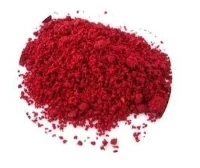
Powder is an ingredient that is used to make other things, while capsules are finished market goods. It is impossible to beat the formulation versatility of powdered forms, which can be used in pills, drinks, food structures, and topical uses. Manufacturers of capsules are limited to set doses and ways of delivering the medicine. When it comes to cost, buying powder in bulk offers economies of scale that aren't possible with pre-encapsulated products. This means that the cost of each ingredient can be cut by 30–50% in normal industrial amounts.
Natural Extraction vs Synthetic Production
Naturally sourced products are becoming more and more popular with consumers, especially in the North American market where clean label claims drive purchase choices. "Natural" labeling is possible for tomato-based powder, which helps with premium marketing tactics. Synthetic options may be cheaper, but they are harder to sell in wellness-focused product categories where knowing what's in a product affects trust in the brand.
Purity, Stability, and Regulatory Compliance
Standardized lycopene powder, like the 5% and 10% concentrations that are easy to find, make sure that each batch is the same, which is very important for quality control methods. Microencapsulated powder is more resistant to oxidation than raw extracts, so the color and bioactivity stay the same over the course of the product's shelf life. There is generally recognized as safe (GRAS) standing for tomato-based powder in the United States. This makes it easier to get approval for use in dietary supplements, functional foods, and cosmetics.
Cost-Effectiveness and Dosage Flexibility
The powder form lets you precisely adjust the amount, so it can be used for anything from adding 2 to 5 mg of vitamin C to drinks to therapeutic supplement levels (15 to 30 mg per day). This flexibility supports a variety of methods for making new products. Different types of packaging, like vacuum aluminum foil bags for smaller amounts and 25 kg fiber drums with double-layer food-grade poly bags for large orders, help keep transportation costs as low as possible at all production levels.
Key Benefits and Uses of Lycopene Powder in B2B Applications
Health Benefits Supported by Scientific Research
Cardiovascular health is one of the main areas where lycopene is used. Clinical studies have shown that it helps maintain good lipid profiles and vascular performance. According to research, daily eating is linked to lower levels of oxidative stress markers. This carotenoid is often a main ingredient in prostate health products that are aimed at the men's health supplement market. Its photoprotective qualities are used in skin health products to help protect cells from UV damage by consuming them.
Applications in Dietary Supplements and Functional Foods
Lycopene powder has more than one use in making products. It is the main ingredient in vitamins for heart health and men's health. It improves the nutritional value of fortified drinks, nutrition bars, and health snacks when used in functional food uses. Its natural red color can be used as a clean-label coloring agent to replace manufactured dyes in prepared foods. It also helps fight free radicals. Product makers can make strong value statements when a product has two functions: it looks good and is good for you.
Use in Cosmetics and Skincare Formulations
Lycopene's antioxidant properties are used in cosmetics to make anti-aging and UV protection goods. Internal "beauty-from-within" supplements work to improve the elasticity and glow of the skin by putting powdered extract into pills or bags. The fact that it is lipophilic makes it possible for topical products to get into the skin's fatty layers. To keep the ingredients working well while the product is being used, however, recipe stability needs careful attention to systems that protect against light and keep antioxidants safe.
Quality Control and Safety Considerations
Suppliers with a good reputation use strict quality control measures, such as identify testing, heavy metal screening, bacterial analysis, and stability studies. Each batch comes with a certificate of analysis (COA) that proves it meets the requirements. The safety profiles show that the supplements are well tolerated across a wide range of dosages, but formulation advice suggests sticking to the daily intake standards that have already been set. Traceability systems that keep track of plants from their source all the way to their end packaging make sure that the supply chain is honest and follows the rules.
Conclusion
Choosing the best form of lycopene depends on how well the properties of the ingredients match the needs of production and the goals for placing in the market. The powder version is the most stable, flexible, and cost-effective way to make health supplements, functional foods, and cosmetics for business-to-business use. Standardized standards help make sure the quality is always the same, and microencapsulation technology fixes the problems that raw carotenoids have with staying stable. Powder-based ingredients give you the technical base and market freedom you need to be competitive in the health and wellness markets, whether you're starting a new brand that needs small test batches or expanding a current product line that can be fully customized by the original equipment manufacturer (OEM).
FAQ
What is the Recommended Dosage in Supplement Formulations?
Most food supplements have 10 to 30 mg of pure lycopene per dose, which is equal to 200 to 300 mg of 10% standardized powder or 400 to 600 mg of 5% powder. In functional food uses, smaller concentrations (2–10 mg per serve) are used to back up label claims without overpowering the product matrixes. The dose should be chosen based on the health claims that are being made and the rules that apply in your area.
Are There Any Side Effects with Long-Term Use?
Clinical study has shown that the ingredient is very safe, and at supplementation amounts, no major side effects have been recorded. Extremely high doses may temporarily change the color of your skin (lycopenodermia), which is safe and goes away when you lower your dose. Labels on products should have normal usage directions as well as advice for people with certain health conditions.
How Can I Verify Quality and Supplier Credibility?
Ask for a lot of paperwork, like certificates of analysis, factory certifications (GMP, ISO), and testing results from a third party. Check to see how open the supplier is about where the plants come from and how they are extracted. Check the supplier's expert help and how long they've been in the business. Suppliers with a track record of ten years or more are more reliable than new businesses.
Partner with Le-Nutra: Your Trusted Lycopene Powder Manufacturer
The company Le-Nutra has been making natural ingredients for more than 10 years and offers pharmaceutical-grade lycopene powder from Lycopersicon esculentum fruit. Our production is vertically linked, which means that we get raw materials, make products, and send them. This ensures a stable supply and low prices that aren't possible with multiple distribution outlets. We strictly follow cGMP and ISO guidelines, giving full paperwork and testing results for each batch that meet international legal requirements.
Our manufacturing is flexible enough to work with a wide range of business sizes, from small-batch test runs to help new brands get started to large-volume runs for well-known names. Standardized amounts of 5% and 10% are available in vacuum aluminum foil bags or 25 kg fiber drums. Payment choices include T/T, Western Union, PayPal, and Alibaba Trade Assurance. Le-Nutra's end-to-end service makes it easier to coordinate with suppliers and speeds up your time-to-market, whether you need private label options to get into the market quickly, ODM formula optimization, or full OEM customization.
Contact our expert team at info@lenutra.com to talk about your unique formulation needs, ask for sample kits, or get full quotes. You can look at our full list of ingredients at lenutra.com and learn how our unified approach to contract production improves product quality, legal compliance, and market competitiveness in a way that you can measure.
References
- Clinton, S.K. (1998). Lycopene: Chemistry, Biology, and Implications for Human Health and Disease. Nutrition Reviews, 56(2), 35-51.
- Rao, A.V., & Agarwal, S. (2000). Role of Antioxidant Lycopene in Cancer and Heart Disease. Journal of the American College of Nutrition, 19(5), 563-569.
- Giovannucci, E. (2002). A Review of Epidemiologic Studies of Tomatoes, Lycopene, and Prostate Cancer. Experimental Biology and Medicine, 227(10), 852-859.
- Stahl, W., & Sies, H. (2003). Antioxidant Activity of Carotenoids. Molecular Aspects of Medicine, 24(6), 345-351.
- Palozza, P., Parrone, N., & Simone, R. (2010). Lycopene in Atherosclerosis Prevention: An Integrated Scheme of the Potential Mechanisms of Action. Archives of Biochemistry and Biophysics, 504(1), 26-33.
- Erdman, J.W., Ford, N.A., & Lindshield, B.L. (2009). Are the Health Attributes of Lycopene Related to Its Antioxidant Function? Archives of Biochemistry and Biophysics, 483(2), 229-235.







