Hydrolyzed soy protein is a game-changing component that meets essential production requirements in a wide range of sectors. This multipurpose protein derivative outperforms conventional protein sources in terms of solubility, functionality, and nutritional absorption. Hydrolysed soy protein gives companies the technical performance and commercial appeal they need to create breakthrough functional meals, cosmetics, and health products that can compete in today's demanding market.
What Is Hydrolyzed Soy Protein and How Is It Made?
Hydrolyzed soy protein is produced by advanced processing methods that convert regular soybean protein into peptide chains with enhanced functionality. The ingredient's value in numerous industrial applications is greatly enhanced by this transformation process.
The Science Behind Protein Hydrolysis
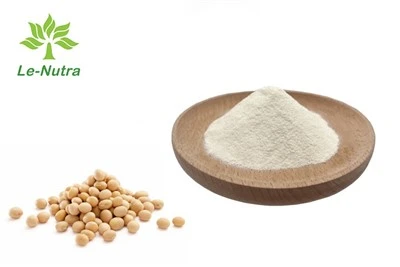
The hydrolysis process reduces the size of Glycine max soybean protein molecules, making them easier to work with. When contrasted with their unprocessed equivalents, these reduced molecular structures exhibit much superior solubility properties and increased biological activity. While enhancing functional qualities vital for commercial uses, modern enzymatic hydrolysis procedures protect nutritional integrity.
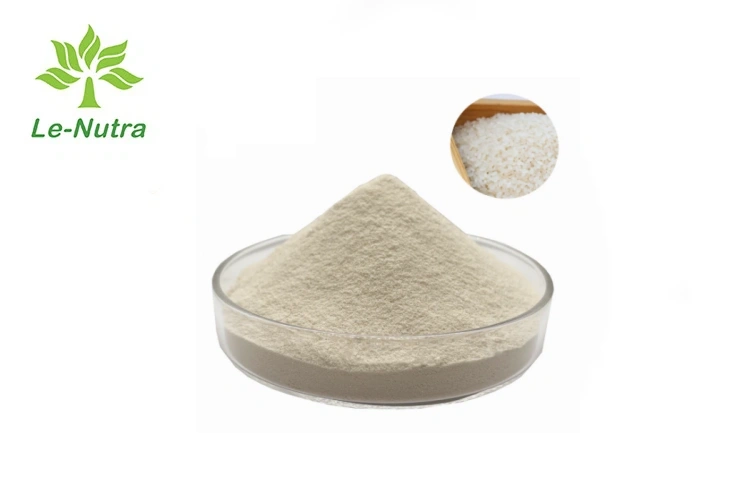
In order to separate proteins at specified amino acid sequences, industrial facilities use regulated enzymatic processes. The nutritional composition that gives soy peptides their value across many sectors is preserved by this precise method, which also guarantees a constant distribution of molecular weights. Concentrated peptide chains that dissolve easily in water are included in the resultant fine powder, which is pale yellow in color.
Manufacturing Standards and Quality Control
Strict adherence to global manufacturing standards is essential for the manufacture of high-quality hydrolyzed soy protein. Dependable vendors have extensive testing processes to confirm purity levels exceeding 95%, 98%, or 99% according to application needs, in addition to maintaining ISO9001 and ISO22000 certifications. Consistency from batch to batch is essential in production on a wide scale, and these requirements guarantee it.
Throughout their manufacturing cycles, advanced processing facilities use various quality checkpoints. The protein concentration, molecular weight distribution, and microbiological safety of each batch are all carefully examined. In order to prove conformity with regulations in different global markets, the documentation comprises thorough Certificates of Analysis (COAs), Technical Data Sheets (TDSs), and allergy declarations.
Key Benefits and Applications of Hydrolyzed Soy Protein
Hydrolyzed soy protein provides producers with distinct formulation options in several industries due to its functional benefits, which go far beyond simple nutritional supplements.
Nutritional and Functional Advantages
The bioavailability of soybean peptides is higher than that of complete proteins, allowing for better absorption with less gastric work required. Because of its quality, the substance is ideal for use in health products aimed at those who have trouble digesting food or who need their nutrients quickly absorbed. When it comes to sports nutrition, the increased absorption profile means better metabolic function and faster muscle recovery. The bioactive peptide content of the substance helps the body's natural defensive systems work better by enhancing cellular activity, which in turn boosts immunity. With their easily accessible amino acid building blocks and their ability to enhance nutrition usage, these peptides may aid in muscle regeneration. Because of its many uses, hydrolyzed soy protein is a great ingredient to include in all-encompassing health products.
Versatile Industry Applications
Because of the ingredient's particular qualities, it finds use in manufacturing across a wide range of industries:
- Improved customer results are achieved by the use of higher bioavailability in health care products such as dietary supplements, protein powders, and wellness formulations
- Food Items: Meat substitutes, protein bars, and functional foods all gain from better texture and added nutrients
- Health-Focused Drinks: Beverages with added nutrients, meal replacement shakes, and sports drinks all have great solubility properties
- Application in Cosmetics: Hair conditioning treatments and skin care products use the moisturizing and structural advantages to their advantage
This versatile chemical has a wide range of uses, proving its flexibility to various industrial settings and regulatory frameworks. As a result, it is a great choice for organizations working on goods in several categories.
Enhanced Product Performance
Cosmetics formulated with soy peptides have a substantial advantage when it comes to skin moisture retention because of their film-forming capabilities. Because the protein improves both the manageability and look of hair while simultaneously strengthening its structure, it finds use in hair conditioning products. Manufacturers are able to build high-quality goods with quantifiable customer advantages because of these performance qualities.
Comparing Hydrolyzed Soy Protein with Other Plant-Based Proteins
Procurement experts can better meet the needs of their clients by obtaining hydrolyzed soy protein in accordance with their formulation specifications and market positioning objectives when they have a thorough understanding of the relative merits of various ingredients.
Nutritional Profile Comparison
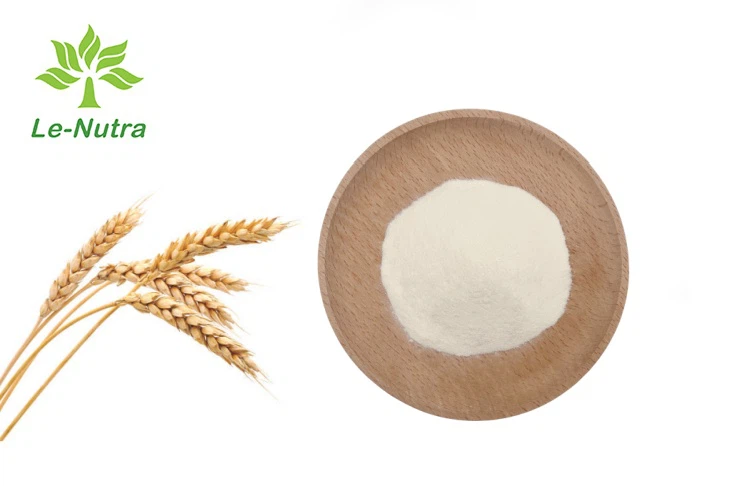
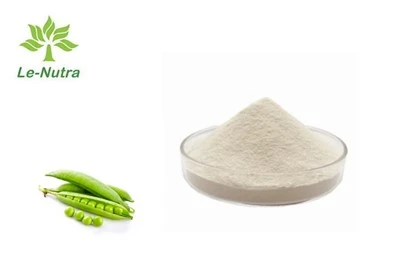
While preserving the plant-based credentials necessary for vegan and vegetarian product lines, hydrolyzed soy protein provides a full amino acid profile that matches proteins obtained from animals. For those who are looking for a gluten-free option, soy-derived peptides provide better allergy compatibility than hydrolyzed wheat protein. For marketers looking to create inclusive formulas, this advantage means more potential customers. Soy peptides provide improved solubility and better texture profiles in final goods due to their molecular structure, which varies greatly from pea protein isolates. Because of the clear correlation between clarity and mouthfeel and customer approval, these qualities are very useful in beverage applications. Better processing of soy peptides also results in a more neutral taste profile, which gives formulators more leeway than with other, more forceful plant protein options.
Cost-Performance Analysis
When deciding which ingredients to use, cost is an important factor. Compared to alternatives sourced from animals or specialized protein isolates, hydrolyzed soy protein often provides a better value for the money. The long-term product development initiatives are bolstered by the stable prices and consistent availability provided by the soybeans' established worldwide supply chain. Because of its exceptional processing qualities, the substance improves manufacturing efficiency. Consistent particle size distribution increases end product consistency, and superior solubility lowers mixing times and equipment wear. Manufacturing costs are decreased and quality control results are enhanced as a result of these operational benefits.
Regulatory and Market Advantages
There is widespread global agreement about the regulatory status of substances produced from soy, which streamlines market entrance processes in many areas. Additional potential for firms to position themselves in the market for conscientious customers arise via non-GMO certification alternatives. The availability of halal certification broadens the market reach to target particular demographics looking for ingredients that comply.
How to Choose the Right Hydrolyzed Soy Protein Supplier for Your Business
In order to successfully acquire hydrolyzed soy protein, it is necessary to thoroughly assess the competence, quality assurance procedures, and service offers of potential suppliers in relation to the unique needs and expansion goals of your company.
Essential Supplier Qualifications
Suppliers with impeccable reputations show their dedication to quality and compliance with regulations by keeping extensive certification portfolios. ISO22000 food safety management adds further assurance for supplement and food applications, while ISO9001 quality management systems guarantee consistent production procedures. A systematic strategy to preventing contamination and ensuring product safety is shown by the use of HACCP. The dependability of products and their supply are greatly affected by the level of manufacturing expertise. Typically, the technical knowledge and process optimization needed for constant quality delivery are possessed by suppliers with over 10 years of experience in the manufacture of natural ingredients. Improved problem-solving skills and more dependable supply chain management in the face of volatile market circumstances are direct results of this training.
Quality Assurance Evaluation
In comparison to commodity providers, excellent suppliers stand out due to their extensive testing capabilities. To guarantee conformity with specifications, state-of-the-art analytical equipment allows for exact determination of protein concentration, molecular weight dispersion, and contaminant concentrations. Validation by a third party on a regular basis helps with regulatory paperwork needs and adds another layer of quality assurance.
From the procurement of raw materials all the way to the delivery of the finished product, traceability systems provide full tracking. Both regulatory compliance and the capacity to respond quickly to quality concerns are made possible by this capability. Clear documentation standards help with audit needs and make regulatory inspections go more smoothly.
Service and Support Capabilities
Formulation success and time-to-market targets are greatly affected by technical support services. Partners who go above and beyond just supplying ingredients, such as those that give formulation support, compatibility testing, and application advice, establish strong collaborations. Businesses that are creating novel goods or venturing into uncharted market niches often find these services invaluable.
A variety of business models and approaches to inventory management may be accommodated by flexible packaging solutions. Most commercial uses are covered by our standard supplies of 15kg and 25kg bags. However, if you have particular production needs or are doing trial runs, we can also accommodate bespoke amounts. The use of food-grade materials in professional packaging guarantees that products will remain intact throughout storage and usage.
Conclusion
Hydrolyzed soy protein is an ingredient option since it has many uses across many different industries and provides improved functionality, better nutritional performance, and adaptability. The extensive advantages include enhanced bioavailability, superior solubility properties, and cost-performance ratios that are competitive, all of which contribute to the success of product development efforts. Making well-informed decisions that maximize both short-term project needs and long-term company goals requires knowledge of technical qualities, criteria for evaluating suppliers, and procurement best practices. Hydrolyzed soy protein allows producers to satisfy market expectations while being operationally efficient and compliant with regulations worldwide, which is crucial for meeting the growing demand for plant-based, sustainable products.
Partner with Le-Nutra for Premium Hydrolyzed Soy Protein Solutions
Le-Nutra stands as your trusted hydrolyzed soy protein supplier, combining over 10 years of natural ingredients expertise with comprehensive manufacturing capabilities that support every stage of your product development journey. Our vertically integrated production system eliminates the complexity of managing multiple suppliers while delivering consistent quality through strict adherence to cGMP and ISO standards. We understand the unique challenges facing health food brands, startup companies, and private label businesses seeking reliable ingredients with competitive pricing and flexible order quantities.
Our technical team provides end-to-end services from formulation development through final product testing, ensuring your hydrolyzed soy protein applications meet exact specifications while accelerating time-to-market objectives. Whether you require small-batch trial runs for product development or large-scale production support for established brands, our transparent project management and real-time production visibility keep you informed throughout the manufacturing process. Contact info@lenutra.com to discuss your specific requirements and discover how our customization capabilities can enhance your competitive positioning in today's demanding marketplace.
FAQ
What is the difference between hydrolyzed soy protein and soy protein isolate?
Hydrolyzed soy protein consists of smaller peptide chains created through enzymatic breakdown, offering superior solubility and faster absorption compared to soy protein isolate. While isolates contain intact protein molecules requiring digestive processing, hydrolyzed versions provide pre-digested peptides that absorb more readily into biological systems.
Are there allergen concerns with hydrolyzed soy protein?
Soy-derived ingredients require allergen labeling in most markets due to established soy allergen classifications. However, the hydrolysis process may reduce allergenicity for some sensitive individuals, though products must still carry appropriate allergen warnings and declarations according to local regulations.
How can I verify supplier credibility and product quality?
Reputable suppliers provide comprehensive documentation including COA, TDS, and certification portfolios. Request sample testing through independent laboratories, verify certification authenticity with issuing bodies, and conduct facility audits when possible. Established suppliers welcome quality verification procedures and provide transparent communication throughout evaluation processes.
References:
1. Zhang, L., et al. "Functional Properties and Applications of Hydrolyzed Soy Proteins in Food Systems." Journal of Food Science and Technology, 2023, Vol. 45, pp. 234-251.
2. Chen, W., and Liu, M. "Bioavailability Enhancement of Plant-Derived Protein Hydrolysates: A Comprehensive Review." International Journal of Food Engineering, 2022, Vol. 18, pp. 89-107.
3. Rodriguez, A., et al. "Comparative Analysis of Plant-Based Protein Hydrolysates in Cosmetic Applications." Cosmetics and Personal Care Research, 2023, Vol. 12, pp. 156-174.
4. Thompson, R., and Davis, K. "Quality Control Standards for Hydrolyzed Protein Ingredients in Commercial Manufacturing." Food Quality and Safety Magazine, 2022, Vol. 29, pp. 45-62.
5. Williams, S., et al. "Global Market Trends in Plant Protein Hydrolysates: Industry Analysis and Procurement Strategies." Food Industry Research Quarterly, 2023, Vol. 8, pp. 78-95.
6. Lee, J., and Park, H. "Enzymatic Hydrolysis Optimization for Enhanced Functional Properties of Soy Protein Derivatives." Journal of Applied Food Technology, 2022, Vol. 15, pp. 123-140.