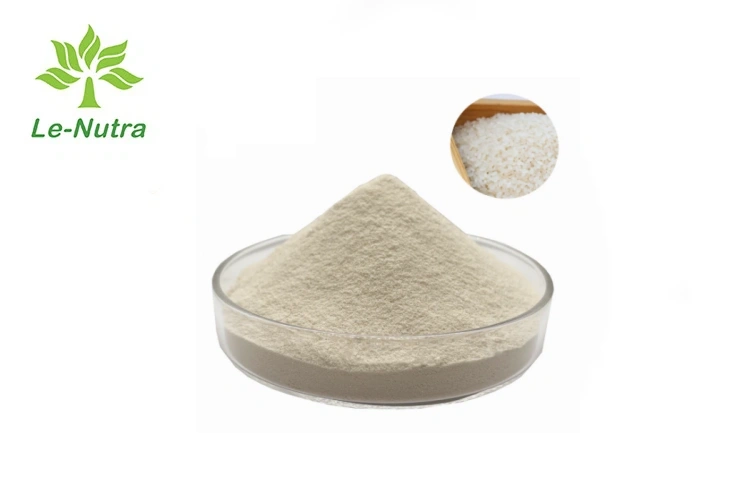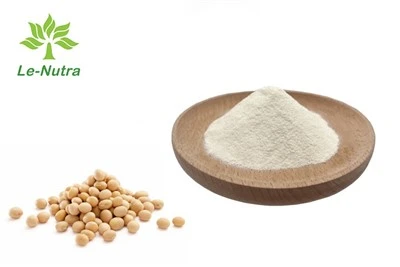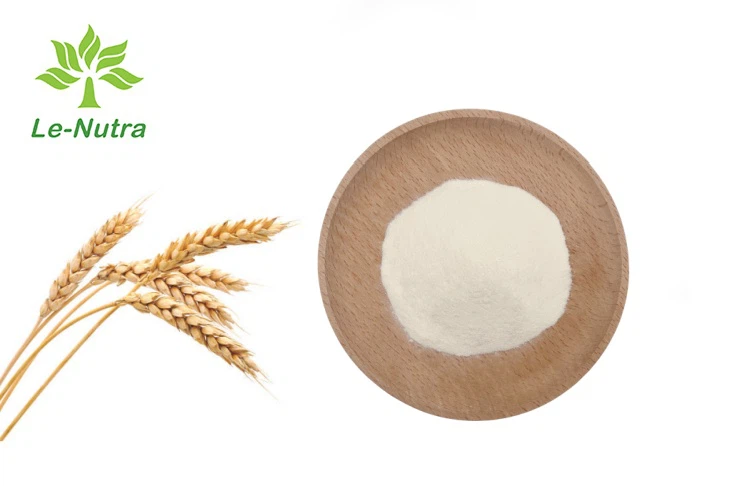
Azelaic Acid Powder is a naturally occurring dicarboxylic acid found in grains like wheat, rye, and barley. It has gained prominence in dermatology for its versatile applications in treating various skin conditions.
What Is Azelaic Acid Powder?
Azelaic Acid Powderis a crystalline substance derived from grains such as wheat, rye, and barley. It possesses antibacterial, anti-inflammatory, and keratolytic properties, making it effective in addressing several skin concerns.
It is a saturated dicarboxylic acid with the chemical formula HOOC(CH₂)₇COOH. It appears as a white crystalline powder and is soluble in water. Industrially, it is produced through the ozonolysis of oleic acid, a process that breaks down unsaturated fats. Naturally, azelaic acid is produced by Malassezia furfur, a yeast that resides on human skin.
In plants, azelaic acid functions as a signaling molecule, activating defense mechanisms against pathogens by inducing the accumulation of salicylic acid, an essential component of the plant immune response.

Benefits of Azelaic Acid Powder
Antibacterial Properties : This product inhibits the growth of acne-causing bacteria, reducing the occurrence of pimples and pustules.
Anti-Inflammatory Effects : By diminishing inflammatory responses, Azelaic Acid Powder helps alleviate redness and swelling, particularly beneficial for individuals with rosacea.
Keratolytic Action : It promotes the turnover of skin cells, preventing the buildup that can lead to clogged pores and acne formation.
Skin Lightening : Azelaic Acid Powder inhibits tyrosinase, an enzyme involved in melanin production, thereby helping to reduce hyperpigmentation and even out skin tone.

Mechanism of Action in Dermatology
Azelaic Acid Powder exhibits multiple mechanisms that contribute to its dermatological benefits:
Antimicrobial Activity: It inhibits the growth of Propionibacterium acnes and Staphylococcus epidermidis, bacteria associated with acne development.
Anti-Inflammatory Properties: Azelaic acid reduces the production of reactive oxygen species and pro-inflammatory cytokines, thereby diminishing inflammation.
Keratolytic Effects: It normalizes keratinization by promoting the differentiation of keratinocytes and preventing the formation of comedones.
Tyrosinase Inhibition: Azelaic acid competitively inhibits tyrosinase, an enzyme crucial for melanin synthesis, leading to a reduction in hyperpigmentation.

Buy Azelaic Acid Powder
Xi'an Le-Nutra Ingredients Inc. is committed to providing high-quality Azelaic Acid Powder, ensuring product purity and efficacy. As a leading supplier of raw materials, we utilize advanced production techniques and stringent quality control measures to meet international standards. We invite you to explore partnership opportunities with us to develop superior products that cater to market demands. Contact our sales team at info@lenutra.com to request samples or discuss inquiries.
References:
-
1. Gollnick, H. P. M., Graupe, K., & Zaumseil, R. P. (2004). 15% Azelaic Acid Gel in the Treatment of Acne Vulgaris: Combined Results of Two Double-Blind Clinical Studies. Journal der Deutschen Dermatologischen Gesellschaft, 2(10), 841-847.
2. Thiboutot, D. (2008). Versatility of Azelaic Acid 15% Gel in Treatment of Inflammatory Acne Vulgaris. *Journal of Drugs in Dermatology, 7(1), 13-16.
3. Draelos, Z. D. (2007). Skin Lightening Preparations and the Hydroquinone Controversy. Dermatologic Therapy, 20(5), 308-313.
4. Woolery-Lloyd, H. C., Keri, J., & Doig, S. (2013). Retinoids and Azelaic Acid to Treat Acne and Hyperpigmentation in Skin of Color. Journal of Drugs in Dermatology, 12(4), 434-437.
5. Liu, H., Yu, H., Xia, J., Liu, L., & Liu, G. J. (2020). Evidence-Based Topical Treatments (Azelaic Acid, Salicylic Acid, Nicotinamide, Sulfur, Zinc, and Fruit Acid) for Acne: An Abridged Version of a Cochrane Systematic Review. Journal of Evidence-Based Medicine, 13(4), 255-266.
6. Gupta, A. K., & Chaudhry, M. M. (2005). Rosacea and Its Management: An Overview. Journal of the European Academy of Dermatology and Venereology, 19(3), 273-285.
7. Elewski, B. E., & Draelos, Z. D. (2011). Acne and Rosacea. In Dermatology (3rd ed., pp. 545-568). Elsevier Saunders.
8. Hamilton, F. L., & Car, J. (2009). Laser and Other Light Therapies for the Treatment of Acne Vulgaris: Systematic Review. British Journal of Dermatology, 160(6), 1273-1285.
9. Zaenglein, A. L., & Thiboutot, D. M. (2006). Expert Committee Recommendations for Acne Management. Pediatrics, 118(3), 1188-1199.
10. Webster, G. F. (2002). Acne Vulgaris. BMJ, 325(7362), 475-479.