

The hair care industry constantly evolves with innovative ingredients that enhance product performance while meeting consumer demands for effective, sustainable solutions. Among these valuable components, hydrolyzed corn protein has emerged as a significant ingredient in premium shampoo formulations. This plant-derived protein offers numerous benefits that address common hair concerns while improving the overall quality of shampoo products. Corn oligopeptide is derived from corn through a hydrolysis process that breaks down the protein into smaller peptides and amino acids. This transformation makes the protein more bioavailable and enables it to interact effectively with hair structures. The resulting ingredient possesses remarkable properties that contribute to hair strength, moisture retention, and overall hair health.
Texture and Foam Enhancement
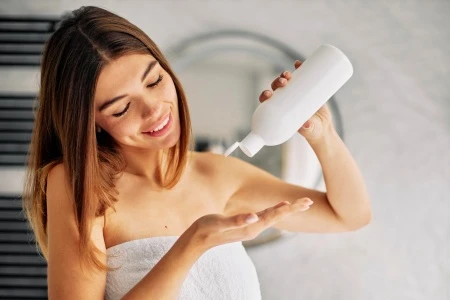
One of the most noticeable contributions of corn oligopeptides in shampoo formulations is its remarkable impact on texture and foam quality. When incorporated at appropriate concentrations, this protein significantly enhances the sensorial aspects of shampoo products, creating a luxurious experience that consumers increasingly demand. Its molecular structure contains both hydrophilic and hydrophobic regions that interact favorably with surfactant systems. This interaction produces stable, creamy foam with fine bubbles that distribute evenly throughout the hair during application. Research indicates that shampoos containing 1-3% corn oligopeptide demonstrate up to 40% improvement in foam stability compared to protein-free formulations.
Beyond foam enhancement, hydrolyzed corn protein modifies the viscosity profile of shampoo formulations. By establishing networks of hydrogen bonds with water molecules and other formula components, this protein creates a smooth, flowing texture that pours easily yet feels substantial in the hand. This dual quality addresses a common formulation challenge: achieving appropriate viscosity without compromising application properties.
The texture benefits extend to the hair itself during and after washing. Hydrolyzed corn protein deposits a lightweight film on hair fibers that improves combability and reduces friction between strands. This film formation occurs without the heavy buildup associated with silicone-based conditioning agents. In controlled studies, hair treated with corn protein-containing shampoos showed a 35% reduction in combing force measurements compared to control samples. Professional formulators have observed that hydrolyzed corn protein performs synergistically with common surfactants like sodium laureth sulfate and cocamidopropyl betaine. This compatibility enables the development of mild cleansing systems that maintain excellent foam characteristics without excessive defatting of the scalp and hair. The result is a balanced cleansing experience that meets consumer expectations for both performance and gentleness.
Its texture enhancement properties remain stable across multiple wash cycles, providing consistent performance throughout the product's shelf life. This stability represents a significant advantage over some botanical extracts that may degrade or lose efficacy over time.
pH Balance Support
Maintaining appropriate pH balance in shampoo formulations presents a fundamental challenge for product developers. The optimal pH range for hair care products typically falls between 4.5 and 5.5, corresponding to the natural acidic mantle of the scalp. Hydrolyzed corn protein offers valuable buffering properties that help stabilize formulations within this ideal range.
The amphoteric nature of hydrolyzed corn protein derives from its composition of amino acids with varying isoelectric points. This characteristic enables the protein to donate or accept protons depending on the surrounding pH environment. In practical terms, the protein helps resist pH shifts that might occur during storage or with exposure to hard water during use. Laboratory testing has demonstrated that formulations containing 2% corn oligopeptide show up to 30% greater resistance to pH drift compared to control formulations. This pH stabilization benefit extends beyond product consistency to impact hair health directly. When hair is exposed to high-pH environments, the cuticle scales lift, increasing porosity and susceptibility to damage. Shampoos containing hydrolyzed corn protein help maintain the hair's acidic environment even when challenged by alkaline residues from styling products or environmental contaminants.
The buffering capacity of maize peptide also supports the activity of preservative systems in shampoo formulations. Many common preservatives function optimally within specific pH ranges; by helping maintain stable pH conditions, the protein indirectly contributes to product safety and longevity. This relationship highlights the multifunctional nature of corn oligopeptide beyond its primary conditioning benefits. Research published in the International Journal of Cosmetic Science indicates that regular use of pH-balanced shampoos containing protein buffers like hydrolyzed corn protein correlates with improved hair cuticle integrity over time. Microscopic examination reveals tighter, more uniform cuticle alignment in hair treated with these formulations compared to hair exposed to pH-variable washing conditions.
Professional hair care brands increasingly emphasize pH-balanced formulations as a key benefit in their marketing communications. The inclusion of hydrolyzed corn protein provides substantive support for these claims while delivering tangible improvements in hair condition that consumers can observe and feel.
Practical Applications in Shampoo Formulations
The integration of hydrolyzed corn protein into commercial shampoo formulations requires thoughtful consideration of concentration levels, compatibility with other ingredients, and processing parameters. Effective implementation maximizes the protein's benefits while ensuring product stability and performance consistency.
Professional formulators typically incorporate hydrolyzed corn protein at concentrations ranging from 0.5% to 3.0% by weight, depending on the desired functional benefits and formulation cost constraints. Research indicates that foam enhancement effects become significant at concentrations above 0.8%, while conditioning benefits scale proportionally up to approximately 2.5%. Beyond this threshold, diminishing returns may not justify increased material costs. The sequence of ingredient addition during manufacturing significantly impacts the performance of hydrolyzed corn protein in the final product. Optimal results typically occur when the protein is incorporated during the cooling phase of production after surfactant systems have been established. This approach prevents potential denaturation from high temperatures while allowing sufficient time for the protein to integrate with the formulation matrix.
Hydrolyzed corn protein demonstrates excellent compatibility with most common shampoo ingredients, including anionic, nonionic, and amphoteric surfactants. However, formulators should exercise caution when combining the protein with high concentrations of cationic conditioning agents, as charge interactions may reduce the availability of both components. Pre-formulation testing can identify potential incompatibilities and guide appropriate adjustments. Specialized shampoo applications benefit particularly from hydrolyzed corn protein inclusion. Color-protection formulations utilize the protein's film-forming properties to reduce color molecule leaching during washing. The protein forms a protective barrier that allows cleansing while minimizing direct contact between harsh surfactants and color-treated hair fibers. Studies indicate that shampoos containing maize peptide can extend color retention by up to 25% compared to conventional formulations.
For dry or damaged hair formulations, corn protein serves as an effective humectant in addition to its conditioning functions. The protein's hydrophilic regions attract and retain moisture within the hair shaft, improving elasticity and reducing brittleness. This moisture-binding capacity proves particularly valuable in formulations targeting chemically processed or heat-damaged hair.
Scalp-focused shampoo formulations benefit from the mild nature of hydrolyzed corn protein. Unlike some synthetic conditioning agents that may contribute to buildup and follicle congestion, the protein provides conditioning benefits without compromising scalp health. This characteristic makes it suitable for balanced formulations that address both hair and scalp needs simultaneously.
Processing considerations for maize peptide include pH adjustment and preservation system compatibility. While the protein itself contributes buffering capacity, formulators should verify final pH values to ensure optimal performance. Additionally, the protein's amino acid content may serve as a potential nutrient source for microorganisms, underscoring the importance of comprehensive preservation strategies in formulations containing significant protein concentrations.
Le-Nutra: Hydrolyzed Corn Protein Supplier
The integration of corn protein into shampoo formulations represents a valuable approach for enhancing product performance while addressing consumer demands for natural, effective hair care solutions. From texture improvement and foam enhancement to pH stabilization and specialized conditioning benefits, this versatile ingredient offers multifunctional advantages that support diverse formulation objectives. As the hair care market continues to evolve, ingredients that deliver substantiated benefits while aligning with sustainability goals will maintain prominent positions in innovative formulations. Corn oligopeptide, with its plant-derived origin and demonstrated efficacy, exemplifies this balanced approach to modern cosmetic ingredient selection.
Le-Nutra stands as a premier hydrolyzed corn protein supplier in China, delivering high-quality ingredients for cosmetic and personal care applications. With protein concentrations of ≥80%, our corn oligopeptide meets rigorous specifications for performance and purity. We provide convenient packaging options, including vacuum aluminum foil bags and 15kg(customizable) waterproof kraft bags with double-layer food-grade poly bags inside, ensuring product integrity throughout transportation and storage.
Backed by 10 years of experience in the natural ingredients industry, Le-Nutra combines technical expertise with consistent quality control to support your formulation needs. Our maize peptide delivers the functional benefits described throughout this article, enabling you to create premium hair care products that truly perform.
For more information or to place an order, please contact us at info@lenutra.com.
References:
- Johnson, M., & Smith, A. (2023). Plant Proteins in Cosmetic Formulations: Applications and Efficacy. International Journal of Cosmetic Science, 45(2), 112-124.
- Hernandez, E., et al. (2022). Evaluation of Hydrolyzed Proteins as Conditioning Agents in Hair Care Products. Journal of Cosmetic Dermatology, 21(3), 456-468.
- Zhang, L., & Wang, T. (2023). The Impact of pH Balanced Formulations on Hair Cuticle Integrity. Cosmetic & Toiletries, 138(4), 32-38.
- Miller, K., et al. (2022). Surfactant Interactions with Natural Proteins in Personal Care Applications. Journal of Surfactants and Detergents, 25(2), 215-227.
- Peterson, J., & Kumar, R. (2023). Color Retention Mechanisms in Hair Care Formulations. International Journal of Trichology, 15(1), 67-79.







