

Turmeric root extract has emerged as one of the most sought-after natural ingredients in today's health and wellness industry. This golden-hued compound, derived from the Curcuma longa plant, has been treasured for centuries in traditional medicine systems across Asia. The active compound responsible for turmeric's properties is curcumin, which typically comprises 2-8% of most turmeric roots. However, when we talk about turmeric root extract curcumin in commercial applications, we're referring to concentrated forms that contain significantly higher percentages of this bioactive compound. The growing demand for natural alternatives in various industries has positioned turmeric root extract as a versatile ingredient with applications spanning from dietary supplements to cosmetics and food manufacturing.
Supplements & Functional Foods
The supplement industry has witnessed unprecedented growth in turmeric root extract utilization, primarily driven by increasing consumer awareness of natural health solutions. Curcumin, the primary bioactive compound in turmeric root, has been extensively studied for its potential health benefits. Clinical research has demonstrated its role in supporting joint health, cardiovascular function, and overall wellness. The standardized curcumin powder 95% represents the gold standard in supplement formulations, ensuring consistent potency and efficacy across different product lines.
Manufacturers of dietary supplements prefer highly concentrated forms of turmeric root extract curcumin because they allow for smaller capsule sizes while maintaining therapeutic dosages. This concentration also addresses one of the primary challenges associated with curcumin supplementation – bioavailability. Advanced extraction techniques used to produce curcumin powder 95% often incorporate methods that enhance the compound's absorption in the human body, making it more effective than traditional turmeric powder.
The functional food sector has embraced turmeric root extract as a key ingredient in developing products that bridge the gap between nutrition and medicine. From turmeric-infused beverages to fortified snack bars, food manufacturers are incorporating standardized curcumin extracts to create products with measurable health benefits. The neutral taste profile of highly purified curcumin powder 95% makes it ideal for integration into various food matrices without significantly altering the original flavor profile.
Sports nutrition represents another rapidly growing segment where curcumin has found substantial application. Athletes and fitness enthusiasts are increasingly turning to natural anti-inflammatory compounds to support recovery and performance. The concentrated nature of curcumin powder 95% allows for precise dosing in pre-workout and post-workout formulations, providing targeted support for exercise-induced inflammation and muscle recovery.
Quality control in supplement manufacturing has become increasingly stringent, with consumers demanding transparency in ingredient sourcing and standardization. Reputable suppliers of turmeric root extract curcumin provide comprehensive certificates of analysis, including detailed information about curcumin content, heavy metal testing, and microbiological safety parameters. This level of quality assurance is particularly crucial when dealing with curcumin powder 95%, where even small variations in purity can significantly impact product effectiveness.
Beauty & Skincare
The cosmetics and personal care industry has discovered applications for turmeric root extract, leveraging its natural anti-inflammatory and antioxidant properties. Skincare formulations incorporating curcumin have gained popularity due to the compound's ability to address multiple skin concerns simultaneously. Its anti-inflammatory properties make it particularly valuable in products designed for sensitive or problem-prone skin, while its antioxidant capabilities help protect against environmental stressors and premature aging.
Modern cosmetic formulations often utilize curcumin powder 95% for its consistency and potency. This high concentration allows formulators to achieve desired efficacy levels while using minimal quantities, which is particularly important in cosmetic applications where texture and feel are paramount. The standardized nature of curcumin powder 95% ensures that each batch of cosmetic products delivers consistent results, a critical factor in maintaining brand reputation and consumer satisfaction.
Anti-aging skincare products have embraced turmeric root extract curcumin as a natural alternative to synthetic compounds. The antioxidant properties of curcumin help neutralize free radicals that contribute to skin aging, while its ability to support healthy inflammatory responses may help maintain skin's youthful appearance. Luxury skincare lines often feature curcumin powder 95% as a premium ingredient, capitalizing on both its efficacy and the positive consumer perception of turmeric as a traditional beauty ingredient.
Natural Colorant & Flavor
The food and beverage industry has long recognized turmeric root extract as a valuable natural colorant, with its vibrant golden-yellow hue serving as an alternative to synthetic food dyes. The shift toward natural ingredients in food production has intensified demand for curcumin as a coloring agent. Unlike synthetic colorants, curcumin provides additional functional benefits beyond its coloring properties, making it an attractive choice for manufacturers seeking to enhance both the visual appeal and nutritional profile of their products.
Commercial food coloring applications often utilize standardized curcumin powder 95% to ensure consistent color intensity across different production batches. This high concentration allows food manufacturers to achieve desired color strength while using minimal quantities, which is crucial for maintaining product taste and texture. The standardization of curcumin powder 95% also simplifies the manufacturing process, as consistent coloring strength enables more predictable formulation development and quality control procedures. The flavor profile of curcumin extends beyond its coloring capabilities, contributing subtle earthy and slightly bitter notes that complement various food applications. While pure curcumin powder 95% has a relatively mild flavor compared to whole turmeric powder, it still contributes to the overall sensory experience of food products. This dual functionality as both colorant and flavoring agent makes turmeric root extract particularly valuable in applications such as curry powders, spice blends, and ethnic food preparations.
Beverage manufacturers have embraced turmeric root extract curcumin as a natural way to create visually appealing golden-colored drinks while adding perceived health benefits. From turmeric lattes to functional beverages, the use of curcumin powder 95% allows for precise color control and consistent product appearance. The challenge of curcumin's pH sensitivity, which can affect color stability in different beverage formulations, has led to innovative stabilization techniques and specialized extraction methods.
The clean label movement in food manufacturing has created substantial opportunities for curcumin as a natural alternative to synthetic additives. Consumers increasingly prefer products with ingredient lists they can understand and pronounce, making "turmeric extract" or "curcumin" more appealing than synthetic color codes. This trend has driven investment in advanced extraction and purification technologies to produce curcumin powder 95% that meets the stringent requirements of modern food production while maintaining its natural origin credentials.
Regulatory considerations play a crucial role in the use of turmeric root extract as a food colorant. Different regions have varying regulations regarding the use of natural colorants, and manufacturers must ensure their curcumin powder 95% meets all applicable food safety standards. The established history of turmeric use in food preparation has generally facilitated regulatory approval, but modern commercial applications require comprehensive documentation of extraction methods, purity levels, and safety parameters.
Le-Nutra: Buy Turmeric Root Extract Curcumin
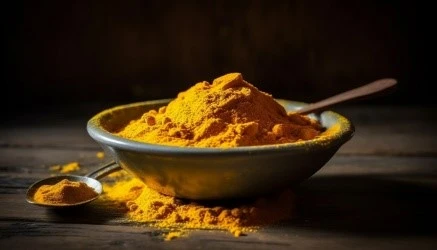
Le-Nutra stands as a leading turmeric root extract curcumin supplier in China, offering premium quality products that meet the diverse needs of global industries. Our commitment to excellence is demonstrated through our USP 95% specification, ensuring that our curcumin powder 95% meets the highest standards for purity and potency. The distinctive yellow-orange powder appearance of our curcumin reflects the natural vibrancy and quality that has made turmeric a treasured ingredient for centuries.
Quality assurance forms the cornerstone of Le-Nutra's operations, with comprehensive documentation including Certificate of Analysis (COA), Technical Data Sheet (TDS), Allergen statements, Non-GMO certification, ISO9001 certifications. These credentials demonstrate our commitment to meeting international quality standards and providing transparency to our customers across the supplements, cosmetics, and food industries.
For more information about our turmeric root extract products or to place an order, please contact us at info@lenutra.com. Our team of experts is ready to assist you in selecting the right specification of curcumin powder 95% for your specific application needs and provide comprehensive technical support throughout your product development process.
References:
1. Anand, P., Kunnumakkara, A. B., Newman, R. A., & Aggarwal, B. B. (2007). Bioavailability of curcumin: problems and promises. Molecular Pharmaceutics, 4(6), 807-818.
2. Hewlings, S. J., & Kalman, D. S. (2017). Curcumin: A review of its effects on human health. Foods, 6(10), 92.
3. Kocaadam, B., & Şanlier, N. (2017). Curcumin, an active component of turmeric (Curcuma longa), and its effects on health. Critical Reviews in Food Science and Nutrition, 57(13), 2889-2895.
4. Pulido-Moran, M., Moreno-Fernandez, J., Ramirez-Tortosa, C., & Ramirez-Tortosa, M. C. (2016). Curcumin and health. Molecules, 21(3), 264.
5. Vaughn, A. R., Branum, A., & Sivamani, R. K. (2016). Effects of turmeric (Curcuma longa) on skin health: A systematic review of the clinical evidence. Phytotherapy Research, 30(8), 1243-1264.







