

The humble pumpkin seed, also known as pepita in some cultures, has been consumed for thousands of years, dating back to indigenous populations in the Americas who recognized its substantial nutritional value. Today, as more individuals seek diverse and sustainable protein sources, pumpkin seeds and their extracted protein are emerging as noteworthy contenders in both whole food and supplemental forms.
Le-Nutra's comprehensive analysis examines whether pumpkin seeds truly qualify as a "good" protein source by evaluating three critical dimensions: their protein content compared to other foods, the biological quality of that protein, and how this protein contribution fits within the seed's broader nutritional context. Through evidence-based assessment across these parameters, we can develop a nuanced understanding of pumpkin seed protein's place in modern nutrition.
Protein Content
When evaluating any food as a protein source, the first consideration is naturally its protein content, both in absolute terms and relative to other nutrients. Pumpkin seeds distinguish themselves with a protein concentration that surpasses many other seeds and nuts, establishing them as a notable plant-based protein option.
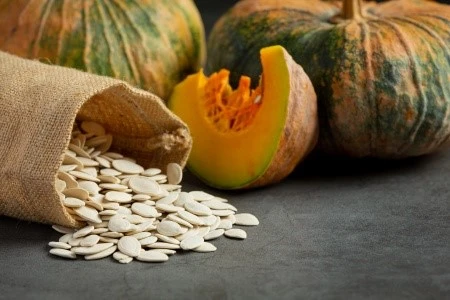
Raw, shelled pumpkin seeds (pepitas) contain approximately 30-35% protein by weight, which translates to about 8-10 grams of protein per 30-gram serving (roughly 1/4 cup). This protein density places pumpkin seeds among the more protein-rich plant foods available, comparable to certain legumes and significantly higher than most other seeds and nuts. To contextualize this content, pumpkin seeds offer more protein per ounce than sunflower seeds (5.8g), chia seeds (4.7g), and nearly double the protein found in the same serving of walnuts (4.3g).
The protein concentration becomes even more impressive when considering commercial pumpkin seed protein isolates. Through specialized extraction processes, manufacturers can produce pumpkin protein powder containing 60-75% protein by weight. These concentrated forms deliver approximately 15-20 grams of protein per 25-gram serving, making them competitive with other plant protein isolates used in nutritional supplements and food formulations.
| Protein Source | Protein Content (g per 30g serving) | Protein Density (% by weight) |
|---|---|---|
| Raw Pumpkin Seeds | 8-10g | ~30-35% |
| Pumpkin Seed Protein Isolate | 18-22g | ~60-75% |
| Sunflower Seeds | 5.8g | ~19% |
| Chia Seeds | 4.7g | ~16% |
| Walnuts | 4.3g | ~14% |
It's worth noting that the protein content in pumpkin seeds can vary based on several factors. Different cultivars of pumpkins produce seeds with varying protein levels, with some specialty varieties specifically cultivated for higher protein content. Processing methods also impact the final protein concentration, with mechanical oil extraction potentially increasing the relative protein content in the remaining seed meal.
Protein Quality
While protein quantity is important, protein quality, determined by amino acid composition, digestibility, and bioavailability, provides a more complete picture of a protein source's nutritional value. The quality assessment of pumpkin protein reveals both strengths and considerations that influence its overall nutritional utility.
Pumpkin seed protein contains all nine essential amino acids, technically qualifying it as a complete protein. However, like many plant proteins, the amino acid distribution shows certain patterns that warrant attention. Notably, pumpkin protein is particularly rich in specific amino acids while containing relatively lower levels of others. Analysis of the pumpkin seed protein's amino acid profile reveals several noteworthy characteristics. The protein is exceptionally rich in arginine (approximately 15% of total amino acid content), which has implications for vascular health and nitric oxide production. Glutamic acid and aspartic acid are also present in substantial amounts, contributing to its distinctive flavor properties and potential bioactive functions.
Glycine content deserves special mention, as this amino acid plays critical roles in collagen formation, detoxification processes, and neurotransmitter function. Its glycine density exceeds that found in many other plant protein sources, potentially offering unique physiological benefits.
Regarding limiting amino acids, pumpkin seed protein contains relatively lower levels of lysine compared to animal-derived proteins, though its lysine content is generally higher than that found in most cereal grains. The sulfur-containing amino acids (methionine and cysteine) are present in moderate amounts, falling between the levels typically found in legumes and animal proteins.
When evaluated using the Protein Digestibility Corrected Amino Acid Score (PDCAS) or Digestible Indispensable Amino Acid Score (DIAAS), standardized measures of protein quality, pumpkin protein typically scores in the moderate range, with values of approximately 0.65-0.75. While this places it below animal proteins and certain plant proteins like soy, it nonetheless indicates good overall quality for a plant-derived protein.
Nutritional Context
A comprehensive evaluation of pumpkin seeds as a protein source must consider how this protein exists within the broader nutritional matrix of the seed. This context reveals how pumpkin seed protein is delivered alongside numerous other beneficial nutrients, creating a synergistic nutritional package that extends beyond mere protein provision.
Pumpkin seeds contain a substantial fat content (approximately 45-50% by weight), primarily composed of unsaturated fatty acids. The lipid profile features a favorable ratio of polyunsaturated to saturated fats, with notable levels of linoleic acid (omega-6) and alpha-linolenic acid (omega-3). This fatty acid composition contributes to the seeds' cardiovascular benefits and provides essential fatty acids that complement protein metabolism.
The micronutrient density of pumpkin seeds significantly enhances their protein contribution. Particularly remarkable is their mineral content, with 100 grams of pumpkin seeds providing approximately: 73% of the Daily Value (DV) for zinc, 87% DV for magnesium, 43% DV for phosphorus, and 42% DV for iron. These minerals play crucial roles in hundreds of enzymatic reactions, including many directly involved in protein synthesis and metabolism. Zinc deserves special mention in this context, as it serves as a critical cofactor in over 300 enzymes, many involved in protein metabolism and immune function. The exceptional zinc content in pumpkin seeds creates a nutritional synergy, where the absorbed protein can be more effectively utilized due to the concurrent intake of this essential mineral.
Beyond minerals, pumpkin seeds contain a range of vitamins that support overall metabolism. These include niacin (15% DV per 100g), pantothenic acid (18% DV), and folate (9% DV). While not exceptionally high in most vitamins, these contributions nonetheless complement the seed's protein and mineral profile.
The phytochemical composition of pumpkin seeds adds another dimension to their nutritional context. They contain various bioactive compounds, including phytosterols, lignans, carotenoids, and phenolic compounds with antioxidant and anti-inflammatory properties. Research suggests these compounds may provide health benefits beyond basic nutrition, potentially influencing metabolic health, hormonal balance, and inflammatory modulation.
The fiber content in whole pumpkin seeds (approximately 6g per 100g) further complements their protein. While moderate compared to some plant foods, this fiber contributes to digestive health and may modulate the absorption rate of the protein and other nutrients. The presence of both soluble and insoluble fiber fractions supports diverse gut microbiome populations.
From a caloric density perspective, pumpkin seeds provide approximately 550-600 calories per 100g. This relatively high energy content means that significant protein consumption from whole pumpkin seeds necessarily entails considerable caloric intake. This characteristic positions pumpkin seeds as particularly suitable for individuals with higher energy requirements or those aiming to gain or maintain weight while increasing protein intake.
Le-Nutra: Pumpkin Seed Protein Supplier
Le-Nutra stands as a premier pumpkin seed protein supplier in China, offering exceptional quality products backed by a decade of expertise in the natural ingredients industry. Our commitment to quality, sustainability, and innovation has established us as a trusted partner for manufacturers and formulators worldwide seeking premium plant-based protein ingredients.
Our pumpkin protein is distinguished by:
- Premium Specifications: Our standard pumpkin protein contains 70% protein content, with customized specifications available to meet your specific formulation requirements. Each batch undergoes rigorous testing to ensure consistent amino acid profiles and functional performance.
- Flexible Packaging Options: Our standard packaging consists of 20kg kraft bags with moisture-resistant liners to maintain product freshness and integrity. We also offer customized packaging solutions to accommodate your production needs and specifications.
- Extensive Experience: With 10 years of specialized experience in the natural ingredients industry, our technical team provides comprehensive support throughout your product development process, from initial concept to commercial production.
Our products are ideal for a wide range of applications, including:
- Plant-based protein powders and blends
- Sports nutrition and performance products
- Functional foods and beverages
- Vegan and vegetarian food products
- Clean label and allergen-friendly formulations
- Nutrition bars and snacks
We maintain strict quality control procedures throughout our supply chain, from seed selection to final processing, ensuring that our pumpkin protein meets international safety and quality standards. For detailed technical specifications, custom development inquiries, or to place an order, please contact our technical sales team at info@lenutra.com.
References:
- Glew RH, Glew RS, Chuang LT, et al. (2006). "Amino acid, mineral and fatty acid content of pumpkin seeds (Cucurbita spp) and Cyperus esculentus nuts in the Republic of Niger." Plant Foods for Human Nutrition, 61(2):51-56.
- Rezig L, Chouaibi M, Msaada K, Hamdi S. (2012). "Chemical composition and profile characterisation of pumpkin (Cucurbita maxima) seed oil." Industrial Crops and Products, 37(1):82-87.
- Peričin D, Krimer V, Trivić S, Radulović L. (2009). "The distribution of phenolic acids in pumpkin's hull-less seed, skin, oil cake meal, dehulled kernel and hull." Food Chemistry, 113(2):450-456.
- Lonnie M, Hooker E, Brunstrom JM, et al. (2018). "Protein for Life: Review of Optimal Protein Intake, Sustainable Dietary Sources and the Effect on Appetite in Ageing Adults." Nutrients, 10(3):360.
- Martínez-Villaluenga C, Peñas E, Hernández-Ledesma B. (2020). "Pseudocereal grains: Nutritional value, health benefits and current applications for the development of gluten-free foods." Food and Chemical Toxicology, 137:111178.







